
Exploring Discontinuous Innovation: Examples Shaping the Future
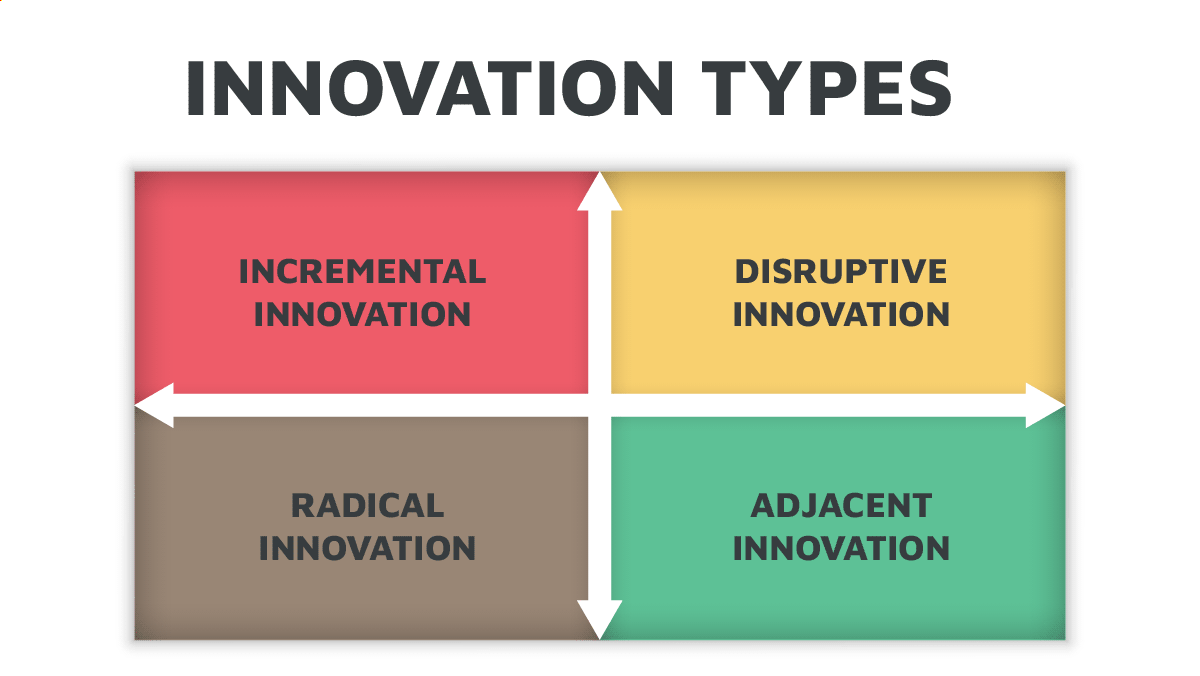
Exploring Discontinuous Innovation: Examples and Impact
Discontinuous innovation refers to a radical shift or breakthrough in technology, products, or services that fundamentally changes the way things are done. Unlike incremental innovation, which involves small improvements over time, discontinuous innovation disrupts existing markets and creates new opportunities. Let’s delve into some examples of discontinuous innovation and their impact:
The Internet
The advent of the internet revolutionised communication, commerce, and information sharing on a global scale. It transformed how people connect, access information, shop, and conduct business. The internet’s disruptive impact on various industries cannot be overstated.
Digital Photography
The shift from film to digital photography was a discontinuous innovation that changed the photography industry forever. Digital cameras offered instant feedback, lower costs, and easier editing capabilities, leading to the decline of traditional film photography.
Electric Vehicles (EVs)
The rise of electric vehicles represents a discontinuous innovation in the automotive industry. EVs offer a clean and sustainable alternative to traditional petrol and diesel vehicles, leading to a shift towards environmentally friendly transportation solutions.
3D Printing
3D printing technology has revolutionised manufacturing by enabling the production of complex objects layer by layer. This disruptive innovation has implications across various industries, from healthcare to aerospace, by offering customisation and rapid prototyping capabilities.
Blockchain Technology
Blockchain technology introduced a decentralised approach to data storage and transaction processing. It has disrupted traditional financial systems, supply chains, and even voting mechanisms by providing transparency, security, and efficiency in record-keeping.
In conclusion, discontinuous innovations have the power to reshape industries, create new markets, and drive societal change. Embracing these transformative technologies is essential for organisations seeking to stay competitive in an ever-evolving landscape of innovation.
Exploring Discontinuous Innovation: Key Questions and Insights for Businesses
- What is discontinuous innovation?
- How does discontinuous innovation differ from incremental innovation?
- Can you provide examples of discontinuous innovation in technology?
- What impact does discontinuous innovation have on existing markets?
- How do companies adapt to and embrace discontinuous innovation?
- Are there risks associated with implementing discontinuous innovation?
- What role does research and development play in driving discontinuous innovation?
- How can businesses identify opportunities for discontinuous innovation within their industries?
- Is it necessary for companies to invest heavily in new technologies to achieve discontinuous innovation?
What is discontinuous innovation?
Discontinuous innovation refers to a significant and radical shift in technology, products, or services that fundamentally alters existing paradigms and introduces novel concepts. Unlike incremental innovation, which involves gradual improvements and refinements, discontinuous innovation disrupts traditional markets and practices by introducing groundbreaking advancements that redefine industry standards. It represents a transformative leap forward that challenges conventional thinking and opens up new possibilities for growth, creativity, and evolution within various sectors.
How does discontinuous innovation differ from incremental innovation?
Discontinuous innovation differs from incremental innovation in its scope and impact. While incremental innovation involves making gradual improvements to existing products, processes, or services, discontinuous innovation represents a radical shift or breakthrough that fundamentally changes the status quo. Incremental innovation focuses on building upon existing knowledge and technologies to enhance efficiency or functionality, whereas discontinuous innovation introduces entirely new concepts or paradigms that disrupt markets and create new opportunities. The transformative nature of discontinuous innovation often leads to significant changes in industries and societal norms, setting it apart from the more gradual and evolutionary nature of incremental innovation.
Can you provide examples of discontinuous innovation in technology?
Certainly! Discontinuous innovation in technology has led to transformative changes across various sectors. Examples of such innovations include the introduction of the internet, which revolutionised communication and information sharing globally. Another notable example is the shift from film to digital photography, fundamentally changing how images are captured and stored. Electric vehicles represent a significant discontinuous innovation in transportation, offering a sustainable alternative to traditional petrol-powered cars. These examples highlight the disruptive impact of discontinuous technological innovations in reshaping industries and shaping our daily lives.
What impact does discontinuous innovation have on existing markets?
Discontinuous innovation has a profound impact on existing markets by challenging the status quo, disrupting established practices, and reshaping industry dynamics. When a radical shift in technology or products occurs, it can render traditional offerings obsolete and create new opportunities for innovative solutions to emerge. Existing market leaders may find themselves at a disadvantage if they fail to adapt to the changing landscape brought about by discontinuous innovation. This can lead to shifts in market share, changes in consumer preferences, and the emergence of new competitors. Ultimately, the impact of discontinuous innovation on existing markets is transformative, requiring organisations to embrace change, foster creativity, and continuously evolve to stay relevant in an increasingly dynamic business environment.
How do companies adapt to and embrace discontinuous innovation?
Adapting to and embracing discontinuous innovation poses a significant challenge for companies seeking to stay competitive and relevant in today’s rapidly evolving business landscape. To effectively navigate this shift, companies must foster a culture of innovation that encourages experimentation, risk-taking, and continuous learning. Embracing open communication channels, encouraging cross-functional collaboration, and investing in research and development are key strategies for companies to adapt to discontinuous innovation. Additionally, staying abreast of emerging technologies, monitoring industry trends, and being willing to disrupt existing business models are essential steps for companies looking to embrace discontinuous innovation successfully. By fostering a proactive approach to change and remaining agile in their response to disruptive technologies, companies can position themselves for long-term success in an era defined by rapid technological advancement.
Are there risks associated with implementing discontinuous innovation?
Implementing discontinuous innovation comes with inherent risks that organisations must carefully navigate. One major risk is the uncertainty surrounding market acceptance and adoption of the new technology or product. Discontinuous innovations often challenge existing norms and may face resistance from customers, stakeholders, or within the organisation itself. Additionally, the high costs and resources required for developing and implementing such innovations can pose financial risks if the expected returns do not materialise as planned. Moreover, disruptive technologies may render existing products or services obsolete, leading to potential loss of market share. Despite these risks, embracing discontinuous innovation can also present significant opportunities for growth, competitive advantage, and industry leadership when managed effectively.
What role does research and development play in driving discontinuous innovation?
Research and development (R&D) plays a crucial role in driving discontinuous innovation by serving as the catalyst for breakthrough discoveries and technological advancements. Through R&D efforts, organisations invest in exploring new ideas, pushing the boundaries of existing knowledge, and experimenting with novel approaches. By fostering a culture of curiosity, experimentation, and risk-taking, R&D teams can uncover disruptive technologies and solutions that have the potential to revolutionise industries. Moreover, R&D helps organisations stay ahead of the curve by anticipating market trends, identifying emerging opportunities, and responding to changing consumer needs. In essence, research and development acts as the engine that propels organisations towards achieving discontinuous innovation and staying competitive in a rapidly evolving landscape.
How can businesses identify opportunities for discontinuous innovation within their industries?
To identify opportunities for discontinuous innovation within their industries, businesses must adopt a forward-thinking and proactive approach. Firstly, conducting thorough market research and trend analysis can help businesses stay ahead of emerging technologies and changing consumer preferences. Engaging with customers, industry experts, and stakeholders to gather insights and feedback is crucial in identifying unmet needs and areas ripe for disruption. Encouraging a culture of experimentation and risk-taking within the organisation can also foster creativity and uncover innovative ideas. Collaborating with external partners, such as startups or research institutions, can bring fresh perspectives and expertise to the innovation process. By remaining agile, open-minded, and willing to challenge existing norms, businesses can position themselves to capitalise on opportunities for discontinuous innovation and drive sustainable growth in their industries.
Is it necessary for companies to invest heavily in new technologies to achieve discontinuous innovation?
In the realm of discontinuous innovation, the question of whether companies need to make substantial investments in new technologies to achieve breakthroughs is a complex one. While investing in new technologies can certainly provide a competitive edge and open up opportunities for disruptive innovation, it is not always a prerequisite. Companies can also achieve discontinuous innovation through strategic partnerships, creative business models, and reimagining existing processes. The key lies in fostering a culture of innovation, embracing change, and being open to exploring unconventional paths that challenge the status quo. Ultimately, while investing in new technologies can accelerate the pace of innovation, it is not the sole determinant of achieving discontinuous breakthroughs.