
Exploring the Wonders of Nanomaterials: A Glimpse into the Future
The Fascinating World of Nanomaterials
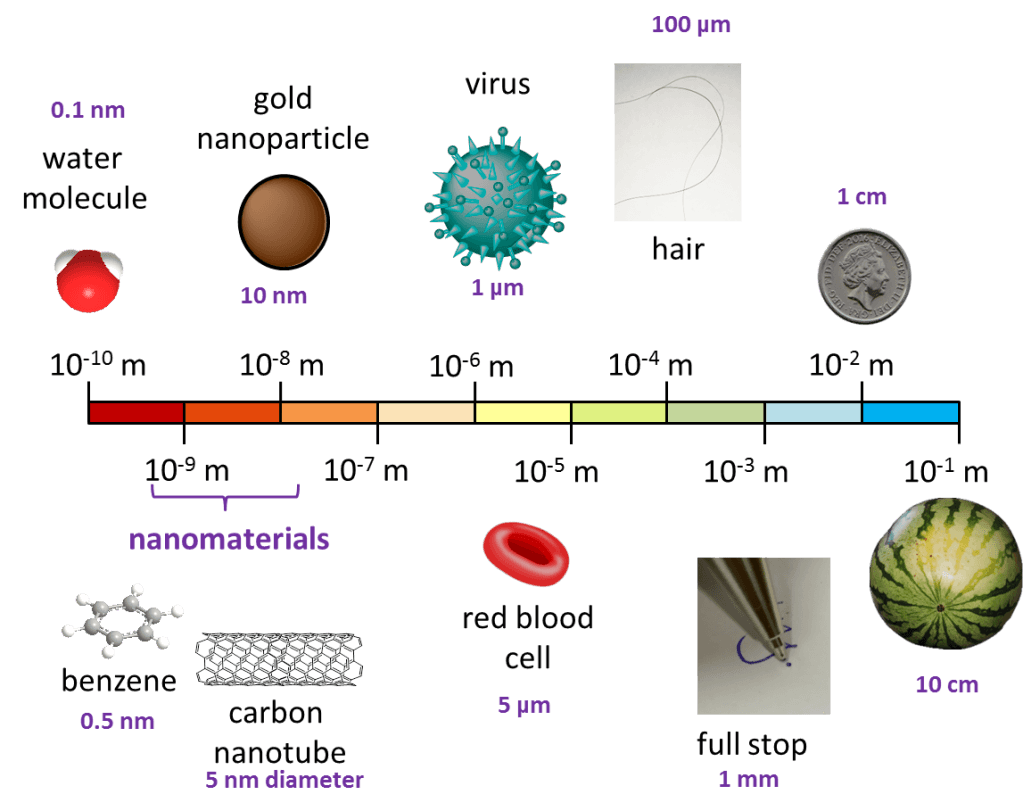
Nanomaterials, at the forefront of modern science and technology, have revolutionised various industries with their unique properties and applications. These materials are engineered at the nanoscale, typically ranging from 1 to 100 nanometres in size, allowing for exceptional physical and chemical characteristics that differ from their bulk counterparts.
One of the most intriguing aspects of nanomaterials is their high surface area-to-volume ratio. This property enhances their reactivity and makes them ideal for catalysis, sensing, drug delivery, and other biomedical applications. Nanoparticles such as quantum dots and carbon nanotubes have shown great promise in revolutionising fields like medicine and electronics.
Furthermore, nanomaterials exhibit remarkable mechanical, thermal, and optical properties due to their small size. For instance, nanocomposites composed of nanoparticles dispersed in a matrix material can significantly improve the strength, flexibility, and conductivity of various products ranging from sports equipment to aerospace components.
Despite their immense potential, the use of nanomaterials raises concerns about their potential environmental and health impacts. Research is ongoing to understand the risks associated with exposure to nanoparticles and develop safe handling practices to mitigate any adverse effects on human health and the environment.
In conclusion, nanomaterials represent a cutting-edge field with vast possibilities for innovation across diverse sectors. As scientists continue to explore their capabilities and limitations, it is essential to balance technological advancements with responsible stewardship to harness the full benefits of these extraordinary materials while safeguarding our well-being.
9 Essential Tips for Safely and Effectively Working with Nanomaterials
- 1. Understand the properties of different nanomaterials before using them.
- 2. Use proper safety precautions when handling nanomaterials due to their small size and potential health risks.
- 3. Be aware of the environmental impact of nanomaterials and dispose of them responsibly.
- 4. Follow established guidelines for the synthesis and production of nanomaterials to ensure quality and consistency.
- 5. Consider the potential applications of nanomaterials in fields such as medicine, electronics, and energy storage.
- 6. Stay updated on advancements in nanotechnology to incorporate new findings into your work with nanomaterials.
- 7. Collaborate with experts in the field to gain insights and knowledge about working with nanomaterials.
- 8. Keep detailed records of experiments involving nanomaterials for future reference and analysis.
- 9. Continuously evaluate the ethical implications of using nanomaterials in research and development.
1. Understand the properties of different nanomaterials before using them.
It is crucial to comprehend the distinct properties of various nanomaterials before incorporating them into applications. Each type of nanomaterial possesses unique characteristics that influence its behaviour, reactivity, and performance in specific settings. By gaining a comprehensive understanding of these properties, researchers and engineers can make informed decisions about the suitability and potential risks associated with using different nanomaterials, ensuring their safe and effective integration into diverse technologies and products.
2. Use proper safety precautions when handling nanomaterials due to their small size and potential health risks.
It is crucial to adhere to appropriate safety measures when working with nanomaterials because of their minute size and associated health hazards. Due to their nanoscale dimensions, these materials can exhibit unique properties that may pose risks if not handled carefully. Therefore, it is essential to implement strict safety protocols, such as wearing protective equipment and working in controlled environments, to minimise exposure and ensure the safe handling of nanomaterials in research and industrial settings.
3. Be aware of the environmental impact of nanomaterials and dispose of them responsibly.
It is crucial to be mindful of the environmental implications associated with nanomaterials and ensure their responsible disposal. Due to their unique properties and potential risks, improper handling or disposal of nanomaterials can have adverse effects on ecosystems and human health. By adopting proper waste management practices and adhering to regulations for the safe disposal of nanomaterials, we can minimise environmental contamination and contribute to sustainable practices in the use of these advanced materials.
4. Follow established guidelines for the synthesis and production of nanomaterials to ensure quality and consistency.
It is crucial to adhere to established guidelines for the synthesis and production of nanomaterials to maintain high quality and consistency in their properties. By following recognised protocols and procedures, researchers and manufacturers can ensure that nanomaterials are produced in a controlled manner, leading to reliable outcomes and reproducible results. This approach not only enhances the safety and efficacy of nanomaterial applications but also promotes standardisation within the field, fostering greater trust and confidence in the use of these innovative materials.
5. Consider the potential applications of nanomaterials in fields such as medicine, electronics, and energy storage.
When exploring the realm of nanomaterials, it is crucial to consider their vast potential applications in various fields, including medicine, electronics, and energy storage. Nanomaterials offer unique properties that can revolutionise the way we approach healthcare, with applications ranging from targeted drug delivery systems to advanced diagnostic tools. In the realm of electronics, nanomaterials pave the way for smaller and more efficient devices with enhanced performance capabilities. Additionally, in the field of energy storage, nanomaterials hold promise for developing high-capacity batteries and efficient energy conversion systems. By delving into these potential applications, we can unlock the transformative power of nanomaterials to drive innovation and progress in these critical sectors.
6. Stay updated on advancements in nanotechnology to incorporate new findings into your work with nanomaterials.
Staying updated on advancements in nanotechnology is crucial for professionals working with nanomaterials. By keeping abreast of the latest research and discoveries in the field, individuals can incorporate new findings into their work with nanomaterials, ensuring that they are utilizing the most cutting-edge techniques and technologies available. This proactive approach not only enhances the quality and efficacy of their projects but also fosters innovation and continuous improvement in the ever-evolving realm of nanotechnology.
7. Collaborate with experts in the field to gain insights and knowledge about working with nanomaterials.
To enhance your understanding and proficiency in handling nanomaterials, it is advisable to collaborate with experts in the field. By engaging with experienced professionals, you can gain valuable insights, knowledge, and best practices related to working with nanomaterials. This collaborative approach not only fosters a deeper understanding of the unique properties and applications of nanomaterials but also ensures that you adhere to safety protocols and guidelines essential for responsible experimentation and innovation in this cutting-edge field.
8. Keep detailed records of experiments involving nanomaterials for future reference and analysis.
It is crucial to maintain meticulous records of experiments involving nanomaterials for future reference and analysis. Keeping detailed documentation of experimental procedures, results, and observations ensures reproducibility, transparency, and accuracy in research. These records not only aid in troubleshooting and refining experimental techniques but also provide valuable insights for future studies and analyses. By maintaining comprehensive records, researchers can track the progress of their work, identify trends or patterns, and contribute to the advancement of nanomaterial science with a solid foundation of data and information.
9. Continuously evaluate the ethical implications of using nanomaterials in research and development.
It is crucial to continuously evaluate the ethical implications of utilising nanomaterials in research and development. As the field of nanotechnology advances rapidly, it is essential to consider the potential societal, environmental, and health impacts of these innovative materials. By conducting regular ethical assessments, researchers and developers can ensure that their work with nanomaterials aligns with responsible practices and prioritises the well-being of individuals and the planet. This proactive approach helps to foster a sustainable and ethical framework for the application of nanomaterials in various industries.