
Exploring the Dynamics of Fluids: Insights from the Journal of Fluid Mechanics
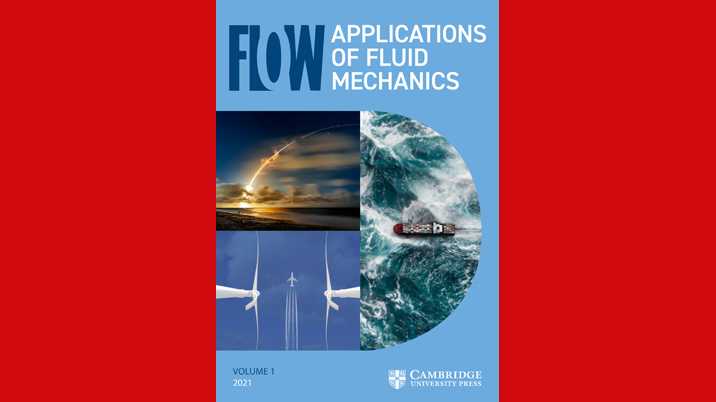
The Journal of Fluid Mechanics: Exploring the Dynamics of Fluids
The Journal of Fluid Mechanics is a prestigious publication that delves into the intricate world of fluid dynamics. Established in 1956, this peer-reviewed journal has been at the forefront of advancing our understanding of how fluids behave and interact in various contexts.
Scope and Impact
With a focus on fundamental research in fluid dynamics, the Journal of Fluid Mechanics covers a wide range of topics, including turbulence, aerodynamics, multiphase flows, biological fluid dynamics, and more. The articles published in this journal contribute significantly to various scientific and engineering fields.
Contributors and Peer Review
The journal attracts contributions from leading researchers and experts in the field of fluid mechanics. Each submission undergoes a rigorous peer-review process to ensure the quality and integrity of the published work. This commitment to excellence has established the Journal of Fluid Mechanics as a trusted source of cutting-edge research.
Innovation and Advancements
Over the years, the Journal of Fluid Mechanics has been instrumental in showcasing groundbreaking discoveries and innovations in fluid dynamics. Researchers rely on this publication to stay informed about the latest advancements in the field and to explore new avenues for exploration and collaboration.
Accessing Content
The Journal of Fluid Mechanics is available both online and in print, making it easily accessible to researchers, academics, students, and professionals worldwide. Subscribers gain access to a wealth of knowledge that can inspire new ideas and drive progress in fluid mechanics research.
Joining the Conversation
Whether you are an established researcher or a budding scientist with a passion for fluid dynamics, the Journal of Fluid Mechanics offers a platform for sharing your insights and contributing to this dynamic field. Consider submitting your work or engaging with existing research to be part of this vibrant community.
Explore the pages of the Journal of Fluid Mechanics to immerse yourself in the fascinating world of fluid dynamics and discover what lies beneath the surface of these complex yet captivating phenomena.
Top 5 Tips for Successfully Publishing in the Journal of Fluid Mechanics
- Ensure your research topic aligns with the scope of Journal of Fluid Mechanics.
- Follow the journal’s guidelines for formatting and referencing styles.
- Clearly state the novelty and significance of your findings in the introduction.
- Provide detailed descriptions of your methodology to ensure reproducibility.
- Engage with existing literature in the field to demonstrate knowledge and contribute to ongoing discussions.
Ensure your research topic aligns with the scope of Journal of Fluid Mechanics.
When considering submitting your research to the Journal of Fluid Mechanics, it is crucial to ensure that your chosen topic aligns closely with the journal’s scope. The journal focuses on fundamental research in fluid dynamics, covering a wide range of topics such as turbulence, aerodynamics, multiphase flows, and biological fluid dynamics. By aligning your research topic with the journal’s scope, you increase the likelihood of your work being considered for publication. This alignment not only ensures that your research is relevant to the audience of the journal but also enhances the impact and contribution of your work to the field of fluid mechanics.
Follow the journal’s guidelines for formatting and referencing styles.
To ensure the quality and consistency of your submissions to the Journal of Fluid Mechanics, it is crucial to adhere closely to the journal’s guidelines for formatting and referencing styles. By following these guidelines meticulously, you not only demonstrate your attention to detail but also contribute to the overall professionalism and readability of your work. Consistent formatting and accurate referencing help maintain the integrity of your research and facilitate the peer-review process, ultimately enhancing the impact and credibility of your contributions within the fluid mechanics community.
Clearly state the novelty and significance of your findings in the introduction.
In the realm of fluid mechanics research, it is crucial to clearly articulate the novelty and significance of one’s findings right from the introduction. By succinctly outlining the unique contributions and the broader impact of the study, researchers can immediately capture the attention of readers and reviewers alike. This practice not only sets the stage for the rest of the paper but also demonstrates a clear understanding of how the research fills a gap in existing knowledge and advances the field. Emphasising the novelty and significance of findings in the introduction is a strategic way to engage with the audience and underscore the importance of the research being presented.
Provide detailed descriptions of your methodology to ensure reproducibility.
In the realm of fluid mechanics research, it is crucial to provide detailed descriptions of your methodology to guarantee reproducibility. By meticulously outlining the steps, techniques, and instruments used in your study, you not only enhance the credibility of your findings but also enable other researchers to replicate and build upon your work. This commitment to transparency and precision in methodology fosters a culture of scientific integrity and advances the collective knowledge base in fluid dynamics.
Engage with existing literature in the field to demonstrate knowledge and contribute to ongoing discussions.
To make a meaningful contribution to the field of fluid mechanics, it is essential to engage with existing literature and research. By immersing oneself in the wealth of knowledge already available, researchers can demonstrate a deep understanding of the subject matter and actively contribute to ongoing discussions and debates within the field. Building upon existing research not only helps to contextualise one’s own work but also allows for the identification of gaps, contradictions, or areas in need of further exploration. Engaging with the existing literature is a valuable practice that enriches research efforts and fosters a collaborative environment where ideas can be shared, challenged, and refined for the advancement of fluid mechanics as a whole.