
Understanding the Environmental Impacts: A Call for Action
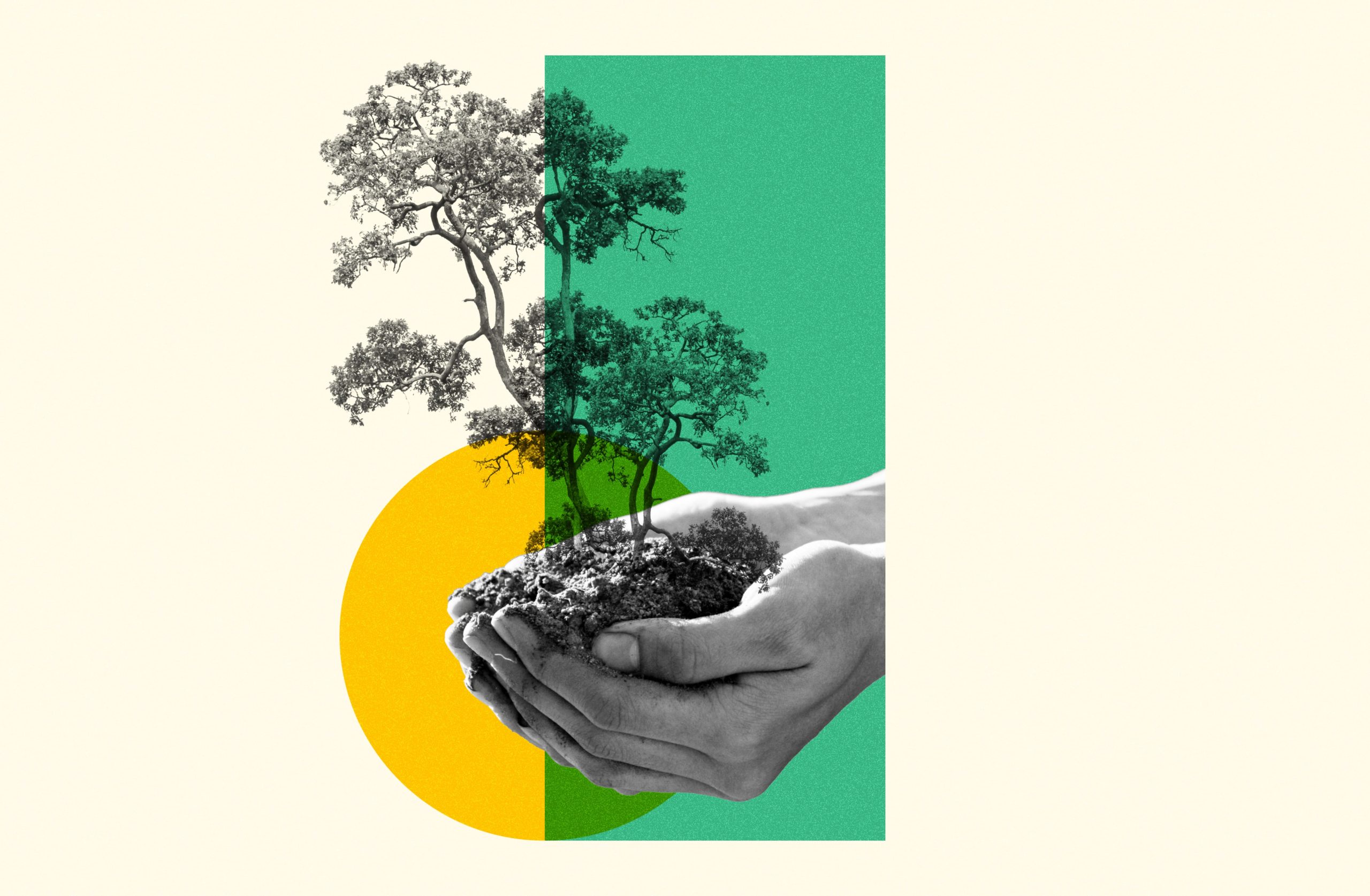
The Environmental Impacts: Understanding the Consequences of Human Actions
Human activities have profound effects on the environment, leading to a wide range of environmental impacts that affect ecosystems, wildlife, climate, and human health. It is crucial to understand these impacts in order to mitigate and prevent further damage to our planet.
Climate Change
One of the most significant environmental impacts of human activities is climate change. The burning of fossil fuels, deforestation, and industrial processes release greenhouse gases into the atmosphere, leading to global warming and changes in weather patterns.
Biodiversity Loss
Human actions such as habitat destruction, pollution, overexploitation of natural resources, and introduction of invasive species have led to a rapid decline in biodiversity. This loss of species has far-reaching consequences for ecosystems and can disrupt the delicate balance of nature.
Pollution
Pollution from various sources such as industrial emissions, agricultural runoff, plastic waste, and chemicals contaminates air, water, and soil. This pollution not only harms wildlife and ecosystems but also poses serious health risks to humans.
Deforestation
The clearing of forests for agriculture, logging, urban development, and other purposes has devastating effects on biodiversity, carbon sequestration, soil erosion, and local communities that depend on forests for their livelihoods. Deforestation contributes significantly to climate change.
Resource Depletion
Human activities consume natural resources such as water, minerals, fossil fuels, and forests at unsustainable rates. This depletion leads to scarcity, conflicts over resources, habitat destruction, and further environmental degradation.
In Conclusion
It is clear that human actions have profound environmental impacts that threaten the health and sustainability of our planet. It is imperative that we take collective action to address these impacts through sustainable practices, conservation efforts, policy changes, and individual choices that promote a healthier relationship with our environment.
Understanding Environmental Impacts: Key Questions and Insights
- What are environmental impacts?
- How do human activities contribute to environmental impacts?
- What are the consequences of climate change on the environment?
- How does pollution affect ecosystems and wildlife?
- What is biodiversity loss and why is it a concern?
- How does deforestation impact the environment?
- What are the effects of resource depletion on the planet?
- What can individuals do to reduce their environmental impact?
What are environmental impacts?
Environmental impacts refer to the effects that human activities and natural phenomena have on the environment. These impacts can manifest in various forms, such as pollution, habitat destruction, climate change, biodiversity loss, resource depletion, and more. Understanding environmental impacts is crucial in recognising how our actions contribute to changes in ecosystems, wildlife populations, air and water quality, and overall planetary health. By acknowledging and addressing these impacts through sustainable practices, conservation efforts, policy changes, and individual responsibility, we can work towards preserving and protecting our environment for future generations.
How do human activities contribute to environmental impacts?
Human activities significantly contribute to environmental impacts through a variety of actions that alter ecosystems and natural processes. The burning of fossil fuels for energy production releases greenhouse gases, leading to climate change and global warming. Deforestation for agriculture, logging, and urban development disrupts habitats and reduces biodiversity. Pollution from industrial processes, transportation, and waste disposal contaminates air, water, and soil, harming wildlife and human health. Overexploitation of natural resources such as water, minerals, and forests depletes these valuable assets and threatens the balance of ecosystems. These human activities collectively accelerate environmental degradation and highlight the urgent need for sustainable practices to mitigate their detrimental effects on the planet.
What are the consequences of climate change on the environment?
Climate change has far-reaching consequences on the environment, impacting ecosystems, wildlife, weather patterns, and natural resources. Rising global temperatures lead to melting ice caps, rising sea levels, and more frequent extreme weather events such as hurricanes, droughts, and heatwaves. These changes disrupt habitats and threaten the survival of many species. Additionally, climate change affects agriculture and food security by altering growing seasons, increasing pests and diseases, and reducing crop yields. The environmental consequences of climate change highlight the urgent need for mitigation strategies to reduce greenhouse gas emissions and adaptation measures to protect vulnerable ecosystems and communities from its effects.
How does pollution affect ecosystems and wildlife?
Pollution has a detrimental impact on ecosystems and wildlife, disrupting the delicate balance of nature and posing serious threats to biodiversity. Various forms of pollution, such as air pollution, water pollution, and soil contamination, can have devastating effects on wildlife populations and their habitats. Pollutants can directly harm organisms through toxicity or indirectly through habitat destruction and food source contamination. Additionally, pollution can lead to long-term ecological damage, affecting the reproductive success, behaviour, and overall health of wildlife species. The accumulation of pollutants in ecosystems can also have cascading effects on food chains and ultimately pose risks to human health as well. It is crucial to address pollution through effective environmental regulations and sustainable practices to protect ecosystems and wildlife for future generations.
What is biodiversity loss and why is it a concern?
Biodiversity loss refers to the decline in the variety and abundance of living organisms within a particular ecosystem or on a global scale. This phenomenon is a significant concern due to its far-reaching impacts on ecosystems, economies, and human well-being. Biodiversity plays a crucial role in maintaining ecosystem stability, resilience, and productivity. Loss of biodiversity can disrupt food chains, reduce ecosystem services such as pollination and water purification, and make ecosystems more vulnerable to disturbances like climate change and disease outbreaks. Furthermore, biodiversity loss can lead to the extinction of species, diminishing genetic diversity, and compromising our ability to adapt to environmental changes in the future. Protecting biodiversity is essential for sustaining life on Earth and ensuring a healthy planet for future generations.
How does deforestation impact the environment?
Deforestation has significant and wide-ranging impacts on the environment. When forests are cleared for agriculture, logging, or urban development, it leads to the loss of biodiversity as many plant and animal species lose their habitats. Deforestation also contributes to climate change as trees play a crucial role in absorbing carbon dioxide from the atmosphere. Without trees, there is an increase in greenhouse gases, leading to global warming and changes in weather patterns. Moreover, deforestation can result in soil erosion, disruption of water cycles, and loss of valuable ecosystem services that forests provide. It is essential to address deforestation through sustainable land management practices and conservation efforts to protect the environment and ensure a healthy planet for future generations.
What are the effects of resource depletion on the planet?
Resource depletion has significant and far-reaching effects on the planet. As natural resources such as water, minerals, fossil fuels, and forests are extracted and consumed at unsustainable rates, the planet faces challenges such as habitat destruction, loss of biodiversity, soil erosion, and increased greenhouse gas emissions. Resource depletion also leads to scarcity of essential resources, which can trigger conflicts over access to these resources and exacerbate social inequalities. Moreover, the depletion of resources contributes to environmental degradation and climate change, highlighting the urgent need for sustainable resource management practices to ensure the long-term health and viability of our planet.
What can individuals do to reduce their environmental impact?
Individuals can play a crucial role in reducing their environmental impact by making simple yet impactful changes in their daily lives. Some effective ways to lessen one’s environmental footprint include reducing energy consumption by turning off lights and appliances when not in use, using public transportation, cycling, or walking instead of driving alone, recycling and composting waste materials, choosing reusable items over single-use plastics, supporting sustainable and eco-friendly products, conserving water by fixing leaks and using water-efficient appliances, planting trees and supporting conservation efforts, and advocating for policies that promote environmental protection. By making conscious choices and adopting sustainable habits, individuals can contribute to a healthier planet for current and future generations.