
Advancing Science Through Ethical Animal Research: A Vital Component of Scientific Discovery
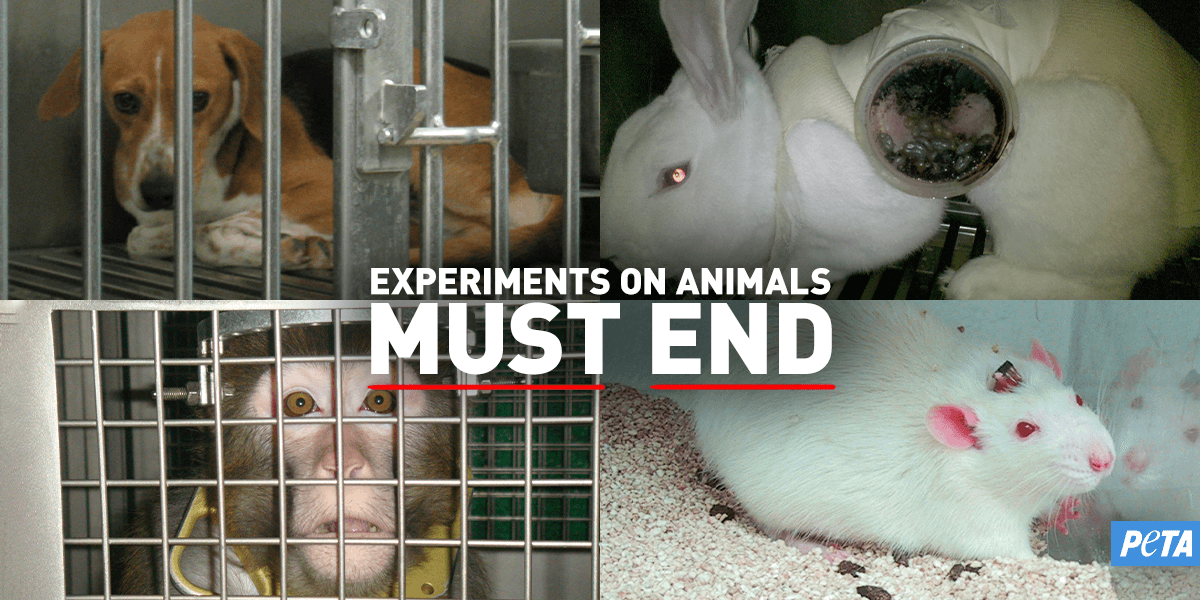
The Importance of Animal Research in Advancing Science
Animal research has played a crucial role in advancing scientific knowledge and improving human and animal health. From developing life-saving medicines to understanding complex biological processes, animals have been essential in various fields of research.
One of the key reasons for conducting animal research is to study diseases and test potential treatments. Animals, such as mice, rats, rabbits, and primates, share genetic similarities with humans, making them valuable models for studying human diseases like cancer, diabetes, and cardiovascular conditions. By conducting experiments on animals, researchers can gain insights into the underlying mechanisms of diseases and develop new therapies.
Moreover, animal research is instrumental in testing the safety and efficacy of new drugs before they are approved for human use. Regulatory bodies require extensive preclinical testing on animals to ensure that medications are safe and effective. This process helps to protect human patients from harmful side effects and ensures that only promising treatments progress to clinical trials.
Besides medical research, animals are also used in scientific studies to understand fundamental biological processes. For example, researchers use fruit flies to study genetics, zebrafish to investigate development, and worms to explore neurobiology. These model organisms provide valuable insights into how living organisms function at a molecular level.
It is important to note that animal research is conducted ethically and with strict regulations in place to minimise harm and ensure the welfare of the animals involved. Researchers adhere to ethical guidelines and laws governing the use of animals in research to ensure that their work is justified, humane, and scientifically valid.
In conclusion, animal research remains a vital component of scientific discovery and progress. By using animals as models for human biology and disease processes, researchers can make significant advancements in medicine, biology, and other fields. While ongoing efforts are made to develop alternative methods that reduce the need for animal experimentation, their contribution to scientific knowledge cannot be understated.
Understanding Animal Research: Purpose, Methods, Ethics, Alternatives, and Regulations
- What is animal research and why is it conducted?
- How are animals used in scientific research?
- What ethical considerations are taken into account when conducting animal research?
- Are there alternatives to animal research?
- What regulations govern the use of animals in research?
What is animal research and why is it conducted?
Animal research refers to the scientific investigation conducted on animals to advance knowledge in various fields, particularly in medicine and biology. Animals are used as models to study diseases, test potential treatments, and understand fundamental biological processes. The genetic similarities between animals and humans make them valuable subjects for research, allowing scientists to gain insights into complex diseases such as cancer, diabetes, and cardiovascular conditions. Additionally, animal research is crucial for testing the safety and efficacy of new drugs before they are used in humans. By conducting ethical and regulated studies on animals, researchers can contribute significantly to medical advancements that benefit both human and animal health.
How are animals used in scientific research?
Animals are used in scientific research for a variety of purposes, including studying diseases, testing new drugs and treatments, understanding biological processes, and advancing medical knowledge. Researchers use animals such as mice, rats, rabbits, primates, and other species as models to investigate human health and disease. These animals provide valuable insights into the effectiveness and safety of potential therapies before they are tested on humans. Ethical guidelines and regulations are in place to ensure that animals are used responsibly and with care in scientific research to minimise harm and maximise the benefits of their contributions to advancing science.
What ethical considerations are taken into account when conducting animal research?
When conducting animal research, several ethical considerations are carefully taken into account to ensure the welfare and rights of the animals involved. Researchers must justify the necessity of using animals in their studies and consider alternative methods whenever possible to minimise harm. Ethical guidelines require that animals are treated humanely, provided with appropriate care and housing, and subjected to the least amount of distress or pain during experiments. Additionally, efforts are made to reduce the number of animals used and to follow strict regulations regarding their handling, euthanasia, and overall well-being. Transparency, accountability, and respect for animal life are fundamental principles that guide ethical decision-making in animal research practices.
Are there alternatives to animal research?
There are ongoing efforts within the scientific community to explore and develop alternatives to animal research. These alternatives aim to reduce the reliance on animal experimentation while still advancing scientific knowledge and improving human and animal health. Some of the alternatives include cell cultures, computer modelling, tissue engineering, and microfluidic systems. These methods allow researchers to simulate biological processes, test drug efficacy, and study diseases without using animals. While these alternatives show promise in certain areas of research, they are not yet able to fully replace animal models in all aspects of scientific inquiry. Continued research and innovation in alternative methods are essential to further reduce the need for animal experimentation in the future.
What regulations govern the use of animals in research?
In the field of animal research, the use of animals is governed by a set of strict regulations and ethical guidelines to ensure their welfare and minimise harm. These regulations vary by country but often include requirements for obtaining ethical approval before conducting any research involving animals. Researchers must adhere to protocols that outline proper housing, care, and handling of animals, as well as procedures for minimising pain and distress. Regular inspections and oversight by institutional animal care and use committees help to monitor compliance with these regulations and ensure that all research involving animals is conducted responsibly and ethically.