
Exploring Human Experiences: The Power of Qualitative Research Methods
The Importance of Qualitative Research Methods
Qualitative research methods play a vital role in exploring and understanding the complexities of human behaviour, experiences, and phenomena. Unlike quantitative methods that focus on numerical data and statistical analysis, qualitative research emphasises gaining in-depth insights and understanding the underlying reasons and motivations behind certain behaviours or phenomena.
Characteristics of Qualitative Research
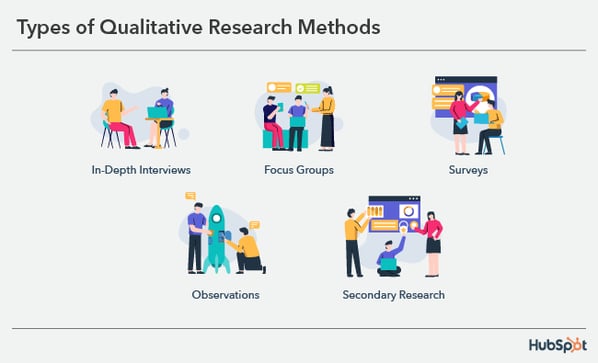
Qualitative research is characterised by its subjective nature, allowing researchers to delve into the nuances and intricacies of human experiences. It often involves methods such as interviews, focus groups, observations, and content analysis to collect rich and detailed data.
Benefits of Qualitative Research
- In-depth Understanding: Qualitative research enables researchers to explore complex issues in detail and gain a deeper understanding of the subject matter.
- Flexibility: Researchers have the flexibility to adapt their approach during the research process based on emerging insights.
- Contextual Insights: Qualitative research provides context-specific insights that quantitative data alone may not capture.
- Holistic View: By focusing on individual experiences and perspectives, qualitative research offers a holistic view of the subject under study.
Applications of Qualitative Research
Qualitative research is widely used in social sciences, psychology, anthropology, education, healthcare, and market research. It is instrumental in exploring complex social phenomena, understanding patient experiences in healthcare settings, evaluating educational interventions, and uncovering consumer preferences.
Conclusion
Qualitative research methods provide valuable insights that complement quantitative approaches by offering a deeper understanding of human behaviour and experiences. By embracing the richness and complexity of qualitative data, researchers can uncover meaningful findings that contribute to knowledge advancement across various fields.
Exploring Qualitative Research: Key Questions and Insights
- What is qualitative research?
- What are the main characteristics of qualitative research methods?
- How is data collected in qualitative research?
- What are the advantages of using qualitative methods in research?
- What are the limitations of qualitative research?
- How do researchers ensure the validity and reliability of qualitative findings?
- In what fields or disciplines is qualitative research commonly used?
- Can quantitative and qualitative methods be combined in a single study?
What is qualitative research?
Qualitative research is a methodological approach that focuses on exploring and understanding the complexities of human behaviour, experiences, and phenomena through non-numerical data analysis. Unlike quantitative research, which relies on numerical data and statistical analysis, qualitative research delves into the subjective aspects of a study subject. It involves collecting rich and detailed data through methods such as interviews, observations, focus groups, and content analysis to gain in-depth insights into the underlying reasons and motivations behind certain behaviours or phenomena. Qualitative research aims to provide a holistic view of the subject under study by capturing individual experiences and perspectives in their natural contexts.
What are the main characteristics of qualitative research methods?
Qualitative research methods are characterised by their emphasis on exploring the subjective aspects of human experiences and behaviours. Unlike quantitative methods that rely on numerical data and statistical analysis, qualitative research focuses on gaining in-depth insights into the underlying reasons, motivations, and meanings behind phenomena. Common characteristics of qualitative research include its use of open-ended questions, flexible and iterative research design, reliance on rich and descriptive data collection techniques such as interviews, observations, and focus groups, as well as the interpretation of data through themes and patterns rather than statistical analysis. Qualitative research values context, individual perspectives, and the complexity of human interactions, allowing researchers to uncover nuanced insights that contribute to a deeper understanding of the social world.
How is data collected in qualitative research?
In qualitative research, data collection involves gathering rich and detailed information to explore the complexities of human experiences and behaviours. Common methods used for collecting data in qualitative research include interviews, focus groups, observations, and document analysis. Interviews allow researchers to engage directly with participants to gather their perspectives, insights, and experiences on a particular topic. Focus groups bring together a small group of individuals to discuss a specific subject in a collaborative setting, providing diverse viewpoints and interactions. Observations involve systematically watching and recording behaviours or interactions in natural settings to understand social dynamics. Document analysis entails examining written or visual materials such as texts, images, or videos to extract relevant information for the research study. These varied methods of data collection in qualitative research enable researchers to capture nuanced details and gain a deeper understanding of the phenomena being studied.
What are the advantages of using qualitative methods in research?
Exploring the advantages of using qualitative methods in research reveals a multitude of benefits. Qualitative methods offer researchers the opportunity to delve deeply into the complexities of human behaviour and experiences, providing rich and detailed insights that quantitative methods may not capture. By focusing on individual perspectives and narratives, qualitative research allows for a nuanced understanding of phenomena, offering context-specific insights that enhance the overall depth of analysis. The flexibility of qualitative approaches enables researchers to adapt their methods as new insights emerge, leading to a more holistic and comprehensive exploration of research questions. Ultimately, the use of qualitative methods enriches research outcomes by providing a deeper understanding of human motivations, interactions, and social dynamics.
What are the limitations of qualitative research?
When considering the limitations of qualitative research, it is essential to acknowledge certain factors that may impact the validity and generalisability of findings. One primary limitation is the potential for subjectivity and researcher bias in data collection and analysis, as qualitative research relies heavily on the interpretation of researchers. Additionally, qualitative studies often involve smaller sample sizes compared to quantitative research, which can raise concerns about the representativeness of findings. Another limitation is the time-intensive nature of qualitative research methods, including data collection through interviews or observations and thorough analysis of rich, detailed data. Despite these limitations, qualitative research remains a valuable approach for exploring complex phenomena and providing in-depth insights into human behaviour and experiences.
How do researchers ensure the validity and reliability of qualitative findings?
Ensuring the validity and reliability of qualitative findings is a crucial aspect of conducting qualitative research. Researchers employ various strategies to enhance the trustworthiness of their data and interpretations. One common approach is triangulation, where multiple data sources, methods, or researchers are used to corroborate findings. Additionally, researchers often engage in member checking, where participants review and validate the accuracy of the data collected. Maintaining detailed documentation of the research process, including decisions made and any changes implemented, helps establish transparency and credibility. Moreover, establishing clear criteria for data analysis and interpretation, as well as maintaining reflexivity throughout the research process to acknowledge and address potential biases, are essential practices in ensuring the validity and reliability of qualitative findings.
In what fields or disciplines is qualitative research commonly used?
Qualitative research methods are widely employed across various fields and disciplines to explore and understand the complexities of human behaviour, experiences, and phenomena. Commonly used in social sciences, psychology, anthropology, education, healthcare, and market research, qualitative research offers valuable insights into diverse subjects. In social sciences, it helps researchers delve into societal issues and cultural dynamics. In psychology, qualitative methods aid in exploring individual behaviours and emotions. Anthropologists use qualitative research to study different cultures and traditions. Within education, qualitative research evaluates teaching methodologies and student learning experiences. Healthcare professionals utilise qualitative methods to understand patient perspectives and improve healthcare delivery. Market researchers employ qualitative techniques to uncover consumer preferences and behaviours. The versatility of qualitative research makes it a valuable tool across a wide range of disciplines for gaining nuanced insights into various phenomena.
Can quantitative and qualitative methods be combined in a single study?
Combining quantitative and qualitative methods in a single study is a common practice in research, known as mixed methods research. This approach allows researchers to leverage the strengths of both types of data collection and analysis to gain a comprehensive understanding of a research question or phenomenon. By integrating quantitative data for statistical analysis with qualitative data for in-depth exploration, researchers can provide richer insights, validate findings, and offer a more nuanced interpretation of the results. The combination of quantitative and qualitative methods in a single study enhances the robustness and credibility of the research outcomes, making it a valuable approach in various disciplines and research contexts.