
Exploring the Benefits of Qualitative Research: Understanding Complex Phenomena in Depth
The Benefits of Qualitative Research
Qualitative research is a valuable method used in various fields such as social sciences, psychology, market research, and healthcare. Unlike quantitative research that focuses on numerical data and statistical analysis, qualitative research aims to explore and understand complex phenomena through in-depth analysis of non-numerical data.
Key Benefits of Qualitative Research:
- Rich Data Collection: Qualitative research allows researchers to gather rich and detailed information about a particular topic or phenomenon. Through methods such as interviews, focus groups, and observations, researchers can capture nuanced insights that may not be captured through quantitative methods.
- In-depth Understanding: Qualitative research enables researchers to gain a deep understanding of the motivations, attitudes, and behaviours of individuals or groups. By exploring the context and meaning behind the data, researchers can uncover valuable insights that inform decision-making.
- Flexibility: Qualitative research methods are flexible and adaptive, allowing researchers to adjust their approach based on emerging findings. This flexibility enables researchers to explore unexpected themes or delve deeper into specific areas of interest.
- Contextual Understanding: Qualitative research provides a contextual understanding of complex issues by examining the social, cultural, and environmental factors that influence behaviour and decision-making. This holistic perspective helps researchers make sense of intricate relationships and dynamics.
- Participant Engagement: Qualitative research often involves direct interaction with participants, fostering engagement and collaboration. By involving participants in the research process, researchers can gain unique perspectives and build rapport for more meaningful insights.
In conclusion, qualitative research offers numerous benefits for exploring complex phenomena in depth, gaining rich insights into human behaviour and experiences, and informing decision-making processes across various disciplines.
Exploring the Depths: Six Key Benefits of Qualitative Research
- Qualitative research provides in-depth insights into complex phenomena.
- It helps researchers understand the context and perspectives of participants.
- Qualitative research allows for flexibility in data collection methods.
- It can uncover new trends, patterns, and relationships that quantitative research may miss.
- Qualitative research is valuable for exploring social and cultural issues.
- It can generate rich, detailed data that can inform further quantitative studies.
Qualitative research provides in-depth insights into complex phenomena.
Qualitative research offers a valuable advantage by providing in-depth insights into complex phenomena. Through methods such as interviews, observations, and focus groups, researchers can delve deep into the intricacies of human behaviour, attitudes, and experiences. This depth of understanding allows researchers to uncover nuanced details and subtle nuances that quantitative research may overlook. By exploring the complexities of social interactions, cultural influences, and individual perspectives, qualitative research contributes to a richer and more comprehensive understanding of the multifaceted aspects of various phenomena.
It helps researchers understand the context and perspectives of participants.
Qualitative research plays a crucial role in helping researchers understand the context and perspectives of participants. By employing methods such as interviews, focus groups, and observations, qualitative research allows researchers to delve deep into the lived experiences, beliefs, and motivations of individuals or groups. This in-depth exploration of participants’ perspectives provides valuable insights into the underlying factors shaping their behaviours and decision-making processes. Understanding the context in which participants operate is essential for interpreting data accurately and drawing meaningful conclusions that can inform future research directions or interventions.
Qualitative research allows for flexibility in data collection methods.
Qualitative research offers the advantage of flexibility in data collection methods, allowing researchers to adapt their approach based on the specific needs of their study. This flexibility enables researchers to employ a variety of techniques such as interviews, focus groups, observations, and document analysis to gather rich and diverse data. By being able to choose the most suitable methods for capturing nuanced insights, researchers can ensure that they collect comprehensive and relevant information that contributes to a deeper understanding of the research topic.
It can uncover new trends, patterns, and relationships that quantitative research may miss.
Qualitative research offers a valuable advantage in uncovering new trends, patterns, and relationships that quantitative research may overlook. By delving into the nuances and complexities of human experiences and behaviours through methods such as interviews, observations, and thematic analysis, qualitative research can reveal hidden insights that quantitative data alone may not capture. This deeper exploration enables researchers to identify emerging trends, subtle patterns, and intricate relationships that contribute to a more comprehensive understanding of the subject under study.
Qualitative research is valuable for exploring social and cultural issues.
Qualitative research is a valuable tool for delving into social and cultural issues due to its ability to capture the nuances and complexities of human experiences and behaviours. By employing methods such as interviews, observations, and focus groups, qualitative researchers can uncover deep insights into the beliefs, values, and practices that shape societies and cultures. This approach allows researchers to explore the context in which social and cultural issues arise, providing a rich understanding of the underlying dynamics at play. Ultimately, qualitative research enables a comprehensive exploration of social and cultural phenomena, shedding light on diverse perspectives and contributing to meaningful discussions and solutions.
It can generate rich, detailed data that can inform further quantitative studies.
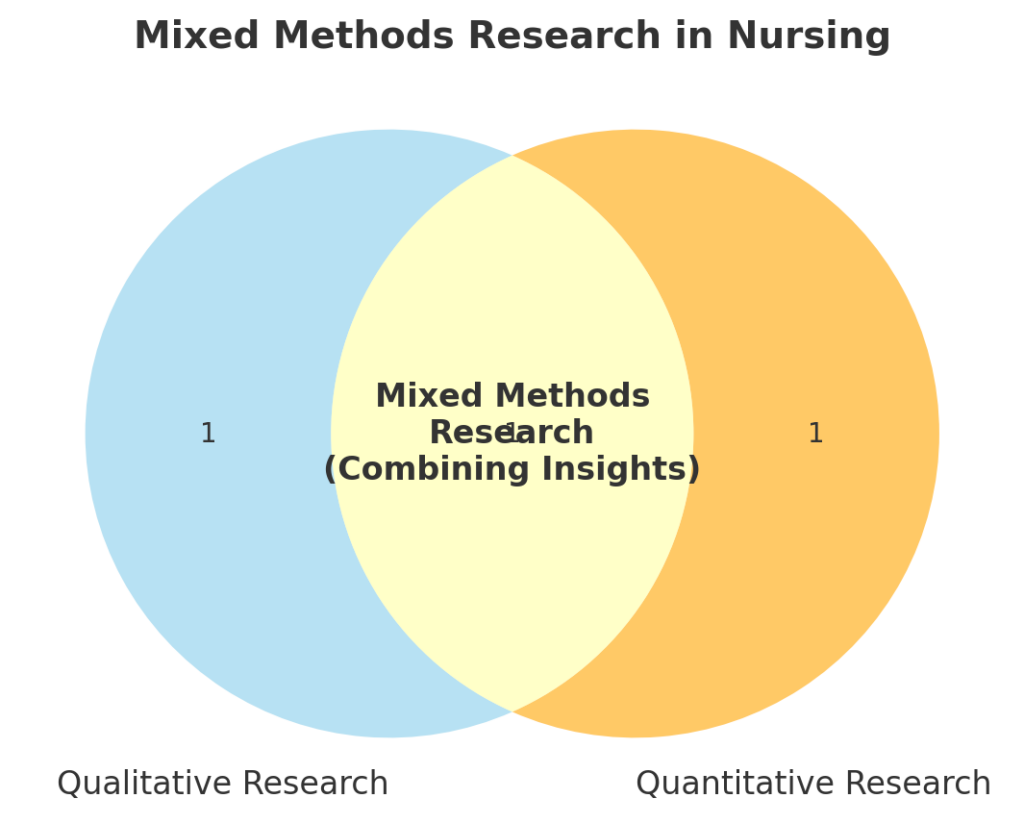
Qualitative research has the advantage of generating rich and detailed data that can serve as a valuable foundation for further quantitative studies. The in-depth insights and nuanced information gathered through qualitative methods provide a comprehensive understanding of the research topic, laying the groundwork for more targeted quantitative analysis. By exploring the complexities and intricacies of a phenomenon through qualitative research, researchers can identify key variables, patterns, and relationships that can be quantitatively measured and tested. This seamless integration between qualitative and quantitative approaches enhances the depth and validity of research findings, contributing to a more robust and comprehensive body of knowledge in various fields.