
Exploring the Impact of Animal Research on Scientific Advancements
The Importance of Animal Research in Scientific Advancements
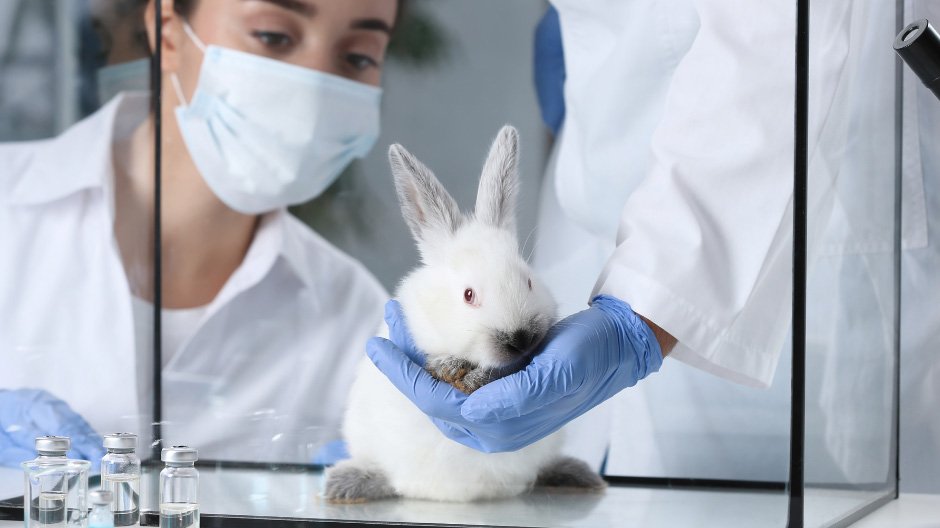
Animal research has been a crucial component of scientific progress for centuries, playing a vital role in advancing our understanding of biology, medicine, and various other fields. While the use of animals in research is a topic that sparks debate and ethical considerations, it is undeniable that many significant breakthroughs and discoveries have been made possible through such studies.
Medical Discoveries
Animal research has been instrumental in the development of numerous medical treatments and interventions that have saved countless lives. From vaccines to surgical techniques, many medical breakthroughs have relied on studies conducted on animals to understand disease processes, test potential treatments, and ensure their safety and efficacy before human trials.
Biological Understanding
Studying animals has also provided invaluable insights into the fundamental biological processes that govern life. By observing how different species function at a cellular and molecular level, scientists have been able to unravel complex biological mechanisms that apply not only to animals but also to humans. This knowledge has paved the way for innovations in genetics, physiology, and evolutionary biology.
Environmental Impact
Animal research extends beyond human health and biology; it also plays a role in understanding environmental issues and wildlife conservation. By studying animal behaviour, habitats, and ecosystems, researchers can develop strategies to protect endangered species, preserve biodiversity, and address environmental challenges such as climate change and habitat loss.
Ethical Considerations
While the benefits of animal research are clear, it is essential to acknowledge the ethical considerations involved. Many organisations advocate for the ethical treatment of animals used in research, promoting guidelines that prioritise animal welfare while ensuring scientific rigour. Alternative methods such as computer modelling and cell cultures are also being developed to reduce reliance on animal studies where possible.
Conclusion
In conclusion, animal research remains a valuable tool for scientific discovery and innovation across various disciplines. While ongoing efforts are made to minimise harm to animals and explore alternative methods, the contributions of animal studies cannot be understated in advancing our knowledge of the world around us and improving human health and well-being.
Guidelines for Ethical and Effective Animal Research: 8 Essential Tips
- Ensure all research involving animals is necessary and has scientific merit.
- Use alternatives to animal research whenever possible, such as computer models or cell cultures.
- Choose the most appropriate species for the research, considering factors like physiology and behaviour.
- Provide proper care and housing for the animals to ensure their welfare and minimise stress.
- Minimise the number of animals used in experiments by employing efficient study designs.
- Follow strict ethical guidelines and legal requirements when conducting animal research.
- Regularly assess the impact of the research on animal welfare and make adjustments as needed.
- Promote transparency by accurately reporting methods and results of animal studies.
Ensure all research involving animals is necessary and has scientific merit.
It is paramount to ensure that all research involving animals is both necessary and scientifically justified. This principle underscores the importance of conducting studies on animals only when there is a clear scientific rationale and potential for significant contributions to knowledge or human welfare. By upholding this standard, researchers can minimise the use of animals in studies, prioritise ethical considerations, and ensure that the outcomes of such research are meaningful and impactful.
Use alternatives to animal research whenever possible, such as computer models or cell cultures.
When conducting research, it is essential to prioritise the use of alternatives to animal studies whenever feasible. Methods such as computer models and cell cultures offer valuable alternatives that can reduce the need for animal experimentation while still providing meaningful insights into biological processes and disease mechanisms. By embracing these alternative approaches, researchers can uphold ethical standards, minimise harm to animals, and contribute to the advancement of scientific knowledge in a more humane and sustainable manner.
Choose the most appropriate species for the research, considering factors like physiology and behaviour.
When conducting animal research, it is crucial to carefully select the most suitable species for the study based on factors such as physiology and behaviour. Choosing the right species ensures that the research findings are relevant and applicable to the intended goals. By considering the physiological similarities and behavioural traits of the chosen species to those of humans or the target population, researchers can enhance the validity and reliability of their results, ultimately contributing to more effective scientific advancements and medical breakthroughs.
Provide proper care and housing for the animals to ensure their welfare and minimise stress.
It is crucial to provide proper care and housing for animals used in research to safeguard their welfare and minimise stress. Creating environments that meet the animals’ physiological and behavioural needs not only ensures their well-being but also promotes the reliability of research outcomes. Adequate housing, appropriate nutrition, social enrichment, and veterinary care are essential components of responsible animal research practices. By prioritising the welfare of research animals, scientists can uphold ethical standards and generate more accurate and meaningful results that benefit both animal and human populations.
Minimise the number of animals used in experiments by employing efficient study designs.
To minimise the number of animals used in experiments, employing efficient study designs is crucial. By carefully planning and structuring research protocols, scientists can maximise the information gained from each animal while reducing the overall number needed for a study. This approach not only promotes ethical considerations by minimising harm to animals but also enhances the scientific validity and efficiency of research outcomes. Implementing efficient study designs is a proactive step towards responsible and impactful animal research practices.
Follow strict ethical guidelines and legal requirements when conducting animal research.
It is imperative to adhere to stringent ethical guidelines and legal regulations when undertaking animal research. By following these guidelines, researchers can ensure the humane treatment of animals involved in studies, prioritising their welfare and minimising any potential harm or suffering. Compliance with ethical standards not only upholds the integrity of the research but also demonstrates respect for the lives of the animals used in scientific investigations. Additionally, adherence to legal requirements helps maintain transparency and accountability in research practices, fostering public trust in the scientific community’s commitment to responsible and ethical conduct.
Regularly assess the impact of the research on animal welfare and make adjustments as needed.
It is essential to regularly assess the impact of research on animal welfare and make necessary adjustments to ensure the well-being of the animals involved. Monitoring and evaluating the welfare of animals throughout the research process not only upholds ethical standards but also enhances the quality and reliability of scientific outcomes. By prioritising animal welfare and making proactive adjustments as needed, researchers can conduct studies responsibly and contribute to advancements in a humane and conscientious manner.
Promote transparency by accurately reporting methods and results of animal studies.
Promoting transparency in animal research is essential to uphold scientific integrity and ensure accountability. Accurately reporting the methods and results of animal studies allows for the reproducibility of findings, enabling other researchers to validate and build upon existing knowledge. Transparent reporting also fosters trust among stakeholders, including the public, policymakers, and funding agencies, by providing a clear understanding of how research is conducted and its implications. By adhering to rigorous reporting standards, researchers can enhance the credibility of their work and contribute to the advancement of scientific knowledge in an ethical and responsible manner.