
Unveiling Insights: The Power of Case Study Research in Academic Exploration
The Importance of Case Study Research in Academic Studies
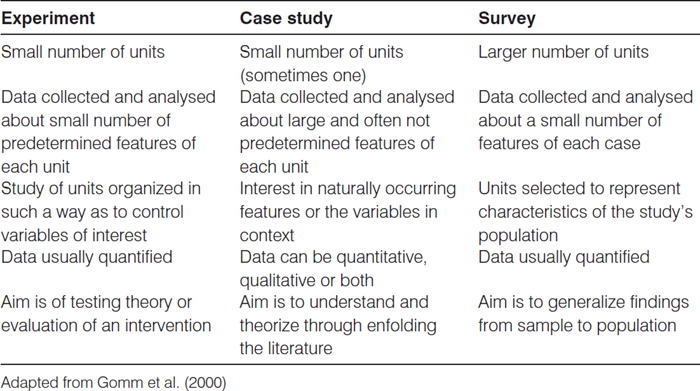
Case study research is a valuable and widely used method in academic studies across various disciplines. It involves in-depth and detailed examination of a single case or multiple cases to understand complex phenomena within their real-life context. This approach allows researchers to explore, describe, and analyse specific situations, events, or individuals in depth, providing rich insights that can be applied to theory-building and practical applications.
One of the key advantages of case study research is its ability to provide a holistic and comprehensive understanding of a particular subject. By examining the context, processes, interactions, and outcomes of a case, researchers can uncover intricate details and nuances that may not be captured through other research methods. This depth of analysis is particularly useful in exploring complex or unique cases where standard research methods may fall short.
Furthermore, case study research allows for the integration of multiple sources of data, including interviews, observations, documents, and artefacts. This triangulation of data sources enhances the credibility and validity of the findings, enabling researchers to develop robust conclusions based on multiple perspectives.
In addition to its exploratory nature, case study research is also valuable for theory development and testing. By examining how theoretical concepts manifest in real-world contexts, researchers can refine existing theories or develop new ones that better explain complex phenomena. This iterative process of theory-building contributes to the advancement of knowledge within a particular field.
Moreover, case study research is highly adaptable and flexible, making it suitable for various research paradigms and methodologies. Whether qualitative or quantitative in nature, single-case or multiple-case design, exploratory or explanatory focus – case study research can be tailored to meet the specific objectives and requirements of a research project.
In conclusion, case study research plays a crucial role in academic studies by offering a rigorous yet flexible approach to investigating complex phenomena within their natural settings. Its emphasis on depth, detail, contextuality, and theoretical relevance makes it a valuable method for generating insights that have practical implications for academia and beyond.
9 Essential Tips for Conducting Effective Case Study Research
- Clearly define the research question or problem
- Select appropriate cases that are relevant to the research question
- Collect data from multiple sources for a comprehensive understanding
- Use a mix of quantitative and qualitative data for deeper insights
- Maintain objectivity and avoid bias in data collection and analysis
- Analyse the data systematically to identify patterns and themes
- Provide detailed descriptions of the cases studied for clarity
- Draw comparisons and contrasts between different cases to draw conclusions
- Ensure ethical considerations are followed throughout the research process
Clearly define the research question or problem
In case study research, it is essential to clearly define the research question or problem at the outset. A well-defined research question provides focus and direction to the study, guiding the researcher in selecting relevant cases, determining data collection methods, and interpreting findings. By articulating a precise research question, researchers can ensure that their investigation remains purposeful and aligned with their objectives, ultimately leading to more meaningful and insightful outcomes.
Select appropriate cases that are relevant to the research question
In case study research, it is essential to carefully select cases that are directly relevant to the research question at hand. By choosing appropriate cases that align with the specific objectives of the study, researchers can ensure that their analysis provides valuable insights and meaningful conclusions. Selecting relevant cases allows researchers to focus their investigation on aspects that are crucial to answering the research question, leading to a more targeted and effective study outcome. This strategic approach not only enhances the quality of the research findings but also ensures that the results are applicable and beneficial to both academia and practical applications.
Collect data from multiple sources for a comprehensive understanding
In case study research, it is essential to collect data from multiple sources to ensure a comprehensive understanding of the case under investigation. By gathering information from various avenues such as interviews, observations, documents, and artefacts, researchers can triangulate the data and gain a more complete perspective on the complexities of the case. This multi-sourced approach not only enhances the credibility and validity of the findings but also enables researchers to uncover hidden patterns, relationships, and insights that may not be apparent when relying on a single source of data.
Use a mix of quantitative and qualitative data for deeper insights
In the realm of case study research, employing a combination of quantitative and qualitative data can significantly enhance the depth and richness of insights derived from the study. Quantitative data provides numerical measurements and statistical analysis that offer objective and structured information, while qualitative data offers subjective perspectives, detailed narratives, and contextual understanding. By integrating both types of data, researchers can gain a comprehensive understanding of the case under investigation, uncovering nuanced relationships, patterns, and explanations that might otherwise remain hidden. This mixed-method approach not only strengthens the validity of findings but also allows for a more holistic interpretation of complex phenomena within their real-world context.
Maintain objectivity and avoid bias in data collection and analysis
To ensure the integrity and reliability of case study research, it is essential to maintain objectivity and avoid bias in both data collection and analysis. Objectivity involves approaching the study without preconceived notions or personal biases that could influence the interpretation of findings. Researchers should strive to collect data systematically, using a variety of sources and methods, and analyse it objectively to draw accurate conclusions. By remaining impartial and conscious of potential biases throughout the research process, researchers can enhance the credibility and validity of their study results.
Analyse the data systematically to identify patterns and themes
When conducting case study research, it is essential to analyse the data systematically to identify patterns and themes. By carefully examining the data collected from interviews, observations, documents, or other sources, researchers can uncover recurring trends, relationships, and underlying themes that provide meaningful insights into the case under study. Systematic data analysis allows researchers to organise and interpret the information in a structured manner, leading to a deeper understanding of the complexities within the case and facilitating the development of coherent and well-supported conclusions.
Provide detailed descriptions of the cases studied for clarity
When conducting case study research, it is essential to provide detailed descriptions of the cases studied to ensure clarity and depth in the analysis. By offering comprehensive information about the context, participants, events, and outcomes of each case, researchers can paint a vivid picture that allows readers to fully understand the complexities and intricacies of the study. These detailed descriptions not only enhance the credibility and validity of the research findings but also enable other researchers to replicate or build upon the study in future investigations.
Draw comparisons and contrasts between different cases to draw conclusions
Drawing comparisons and contrasts between different cases is a fundamental tip in case study research that can lead to valuable insights and conclusions. By analysing similarities and differences across multiple cases, researchers can identify patterns, trends, and relationships that may not be apparent when examining individual cases in isolation. This comparative approach allows researchers to highlight commonalities that suggest generalisable findings as well as variations that provide nuanced understanding of the complexities involved. Through this process, researchers can draw more robust conclusions and make informed recommendations based on the rich tapestry of evidence gathered from diverse cases.
Ensure ethical considerations are followed throughout the research process
It is imperative to ensure that ethical considerations are rigorously followed throughout the entire case study research process. Respecting ethical principles and guidelines helps to protect the rights and well-being of participants, maintain the integrity of the research findings, and uphold the credibility of the study. Researchers must obtain informed consent from participants, ensure confidentiality and anonymity, avoid harm or exploitation, and adhere to ethical standards specific to their field of study. By prioritising ethical practices, researchers can conduct their case study research responsibly and ethically, ultimately contributing to trustworthy and valuable outcomes in academic studies.