
Exploring the Crucial Research Gap in Academic Studies
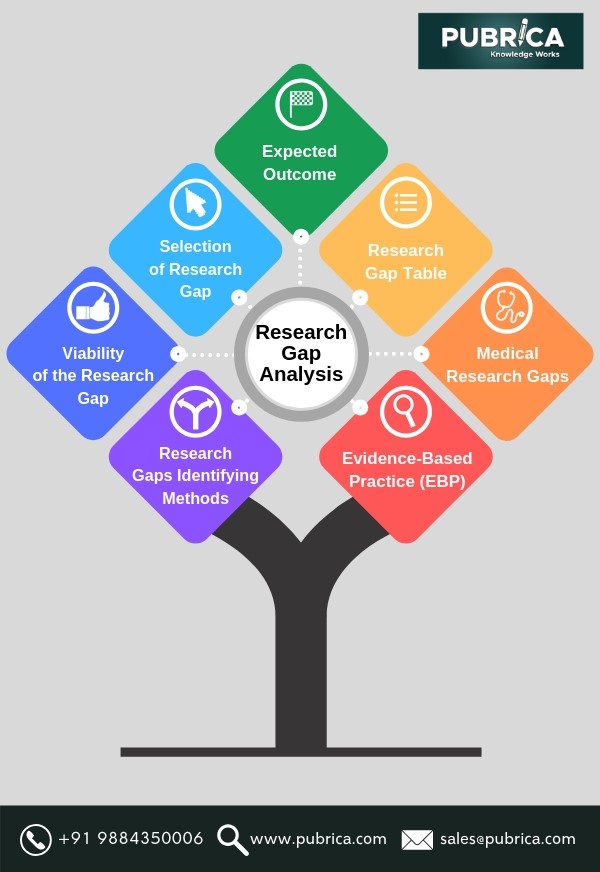
Exploring the Research Gap in Academic Studies
In the realm of academic research, the concept of a “research gap” plays a crucial role in shaping the direction and focus of scholarly inquiries. A research gap refers to an area within a particular field or discipline where existing literature and studies fall short or fail to address key questions or issues adequately.
Identifying a research gap is essential for researchers as it helps them pinpoint areas that require further investigation and exploration. It serves as a starting point for formulating research questions, hypotheses, and methodologies that can contribute new insights and knowledge to the existing body of literature.
There are several factors that can contribute to the existence of a research gap. These may include:
- Lack of empirical studies addressing a specific aspect of a topic
- Inconsistencies or contradictions in findings across different studies
- Emerging trends or developments that have not been thoroughly examined
- Underrepresentation of certain populations or perspectives in existing research
- Technological advancements that open up new avenues for research
Researchers often conduct literature reviews to identify gaps in existing knowledge and determine areas where further investigation is needed. By filling these gaps, researchers can advance understanding, propose solutions to practical problems, and contribute to the advancement of their field.
Addressing a research gap requires careful planning, rigorous methodology, and critical analysis. Researchers must design studies that are methodologically sound, ethically conducted, and capable of generating valid and reliable results. By doing so, they can make meaningful contributions to scholarship and create opportunities for future research.
In conclusion, the exploration of research gaps is vital for driving innovation, expanding knowledge boundaries, and addressing pressing issues within academia. By identifying and filling these gaps, researchers can pave the way for new discoveries, theories, and insights that have the potential to shape their fields for years to come.
Understanding and Identifying Research Gaps: Key Questions and Examples
- How do you identify a research gap?
- How do you answer what is your research gap?
- What are the 7 research gaps?
- What is a research gap example?
How do you identify a research gap?
Identifying a research gap is a fundamental aspect of academic inquiry that requires a systematic approach and critical analysis. Researchers can identify a research gap by conducting a comprehensive literature review to assess the existing body of knowledge within their field of study. This involves examining previous studies, articles, and publications to determine what has already been explored and what areas remain underdeveloped or unaddressed. Researchers should look for inconsistencies, contradictions, unanswered questions, or emerging trends in the literature that indicate potential gaps in knowledge. Additionally, engaging with experts in the field, attending conferences, and staying up-to-date with the latest research developments can also help researchers pinpoint areas where further investigation is needed. By carefully evaluating existing literature and considering gaps from multiple perspectives, researchers can effectively identify research gaps that warrant exploration and contribute new insights to their discipline.
How do you answer what is your research gap?
When asked about your research gap, it is important to provide a clear and concise explanation of the specific area within your field of study where existing research falls short or lacks sufficient coverage. You can address this question by highlighting the limitations or gaps in current literature, identifying unanswered questions or unresolved issues, and explaining how your research aims to fill these gaps by offering new insights, perspectives, or methodologies. Articulating your research gap effectively demonstrates your understanding of the broader academic landscape and sets the context for the significance and relevance of your study within the existing body of knowledge.
What are the 7 research gaps?
When researchers inquire about the “7 research gaps,” they are often seeking a structured approach to identifying and addressing key areas of deficiency in existing literature within a particular field of study. While the specific nature of these research gaps may vary depending on the discipline and topic of interest, common themes often include gaps related to methodological limitations, conflicting findings, underexplored topics, insufficient data, overlooked populations or perspectives, emerging trends requiring further investigation, and unanswered questions that have significant implications for theory or practice. By systematically identifying and addressing these research gaps, scholars can contribute valuable insights, advance knowledge, and drive innovation within their respective fields.
What is a research gap example?
A research gap example refers to a specific instance where existing literature or studies within a particular field fail to adequately address or provide sufficient information on a certain topic or question. For instance, in the field of environmental science, a research gap example could be the lack of studies examining the long-term effects of a specific pollutant on marine ecosystems. Identifying such research gaps is crucial for researchers as it highlights areas where further investigation is needed to deepen understanding, generate new knowledge, and potentially lead to practical applications or policy implications. By addressing research gap examples, scholars can contribute valuable insights and advancements to their respective fields.