
Revolutionising Healthcare Through Tissue Engineering Innovations
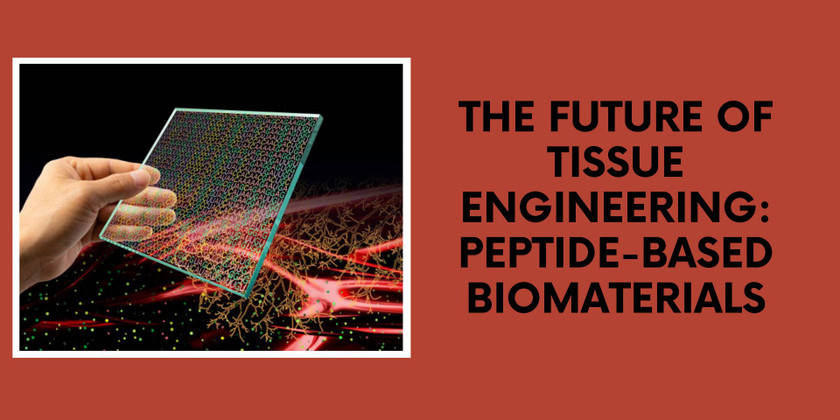
The Future of Medicine: Tissue Engineering
Tissue engineering is a revolutionary field that holds immense promise for the future of medicine. It involves the development of biological substitutes to restore, maintain, or improve tissue function. By combining principles of engineering and life sciences, tissue engineering aims to create functional tissues and organs to replace damaged or diseased ones.
One of the key components of tissue engineering is the use of scaffolds, which provide structural support for cells to grow and differentiate into the desired tissue type. These scaffolds can be made from a variety of materials, such as biodegradable polymers, ceramics, or natural extracellular matrix components.
Cells play a crucial role in tissue engineering by populating the scaffold and forming new tissue. Stem cells, in particular, have become a focus of research due to their ability to differentiate into various cell types. By guiding stem cells towards specific lineages, researchers can generate different types of tissues for transplantation.
Advancements in tissue engineering have already led to significant breakthroughs in regenerative medicine. For example, engineered skin grafts have been successfully used to treat burn victims, while bioengineered cartilage implants offer hope for patients with joint disorders.
Looking ahead, researchers are exploring new frontiers in tissue engineering, such as creating complex organs like kidneys and hearts. The ultimate goal is to develop fully functional tissues and organs that can be transplanted into patients without risk of rejection or complications.
While challenges remain, including vascularization and immune response issues, the potential benefits of tissue engineering are vast. It has the power to transform healthcare by providing personalized treatment options and reducing reliance on traditional organ donation.
In conclusion, tissue engineering represents a paradigm shift in modern medicine with far-reaching implications for patient care and quality of life. As research continues to advance in this field, we can expect more innovative therapies and solutions that will shape the future of healthcare.
Essential Insights into Tissue Engineering: Skills, Requirements, Career Path, and More
- What skills do you need to be a Tissue Engineer?
- What are the 3 things needed for tissue engineering?
- How much do tissue engineers make in the UK?
- What does a tissue engineer do?
- What are the three types of tissue engineering?
- How do I become a tissue engineer?
What skills do you need to be a Tissue Engineer?
To excel as a Tissue Engineer, a diverse set of skills is essential. Firstly, a strong foundation in biology and biochemistry is crucial for understanding the intricacies of tissue structure and function. Proficiency in cell culture techniques and molecular biology is also vital for working with cells and manipulating their behaviour. Additionally, expertise in biomaterials and scaffold design is necessary to create effective tissue engineering constructs. Problem-solving skills, attention to detail, and the ability to work collaboratively in multidisciplinary teams are key attributes for success in this field. Moreover, a passion for innovation and a commitment to advancing healthcare through cutting-edge research are qualities that define a successful Tissue Engineer.
What are the 3 things needed for tissue engineering?
In tissue engineering, three key components are essential for the successful creation of functional tissues and organs: scaffolds, cells, and growth factors. Scaffolds provide a structural framework for cells to adhere to and grow, guiding the formation of new tissue. Cells, particularly stem cells, play a vital role in populating the scaffold and differentiating into specific cell types needed for the desired tissue. Growth factors are signalling molecules that regulate cell behaviour and promote tissue development. Together, these three elements form the foundation of tissue engineering, enabling researchers to mimic natural biological processes and generate complex tissues for regenerative medicine applications.
How much do tissue engineers make in the UK?
The salary range for tissue engineers in the UK can vary depending on factors such as experience, qualifications, location, and the specific sector of employment. On average, tissue engineers in the UK can expect to earn between £25,000 to £50,000 per year. Entry-level positions may start at a lower salary, while senior professionals with advanced degrees and significant experience may command higher salaries. It is important to consider that salaries in the field of tissue engineering are competitive and can offer opportunities for growth and advancement over time.
What does a tissue engineer do?
A tissue engineer is a professional who applies principles of engineering and life sciences to develop biological substitutes that can restore, maintain, or enhance tissue function in the human body. Tissue engineers work on creating innovative solutions to repair or replace damaged tissues and organs through the use of scaffolds, cells, and biomaterials. They design and conduct experiments to understand how cells interact with scaffolds, manipulate stem cells to differentiate into specific cell types, and collaborate with medical professionals to translate research findings into clinical applications. Overall, a tissue engineer plays a crucial role in advancing regenerative medicine and developing cutting-edge therapies for various medical conditions.
What are the three types of tissue engineering?
In the field of tissue engineering, three main types of approaches are commonly employed to create functional tissues and organs: scaffolds-based tissue engineering, cell-based tissue engineering, and acellular or scaffold-free tissue engineering. Scaffold-based tissue engineering involves using a supportive structure to guide cell growth and tissue formation. Cell-based tissue engineering focuses on manipulating cells, such as stem cells, to generate specific tissues within a scaffold. Acellular or scaffold-free tissue engineering techniques aim to create tissues without the use of exogenous scaffolds, relying solely on cell-cell interactions for tissue development. Each type of tissue engineering method offers unique advantages and challenges in the quest to produce viable biological constructs for regenerative medicine applications.
How do I become a tissue engineer?
To become a tissue engineer, individuals typically pursue a career path that involves obtaining a relevant undergraduate degree in a field such as biomedical engineering, bioengineering, or a related discipline. Following this, further education at the postgraduate level, such as a Master’s or Ph.D. in tissue engineering or regenerative medicine, is often required to gain specialized knowledge and skills in the field. Hands-on experience through internships or research opportunities can also be valuable for aspiring tissue engineers to develop practical expertise in working with cells, biomaterials, and tissue scaffolds. Additionally, staying updated on the latest advancements and participating in professional development activities can help individuals build a successful career in tissue engineering.