
The Educational Vision of Kurt Hahn: Inspiring a Legacy of Character and Resilience
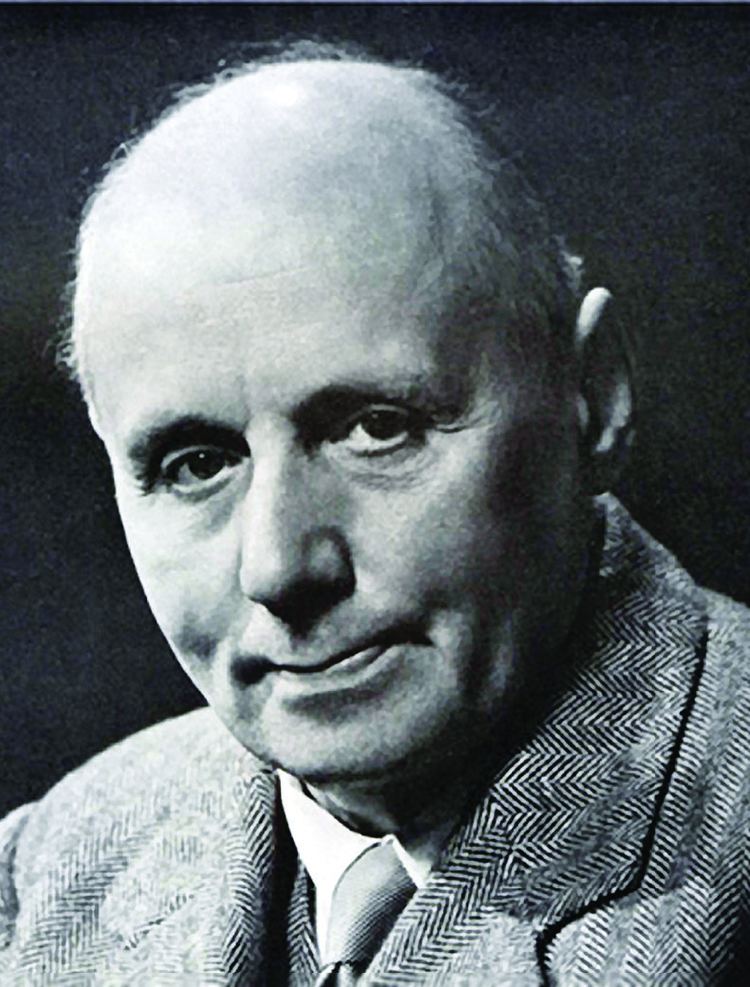
The Legacy of Kurt Hahn
Kurt Hahn (1886–1974) was a visionary educator, social reformer, and founder of several educational institutions that have had a lasting impact on the world. Born in Germany, Hahn believed in the power of education to transform individuals and society for the better.
One of Hahn’s most notable contributions is the establishment of the Salem School in Germany in 1919. This progressive school focused on holistic education, emphasizing outdoor activities, community service, and character development alongside academic learning. Hahn believed that education should not only nurture intellect but also cultivate moral courage, compassion, and resilience.
During World War II, Hahn fled Nazi Germany and eventually settled in Scotland. There, he founded Gordonstoun School in 1934 based on his educational philosophy. Gordonstoun became known for its emphasis on outdoor education, practical skills development, and character building through challenges such as sailing, mountaineering, and community service.
Hahn’s influence extended beyond individual schools. He played a key role in founding Outward Bound in 1941, an organization dedicated to providing outdoor experiential learning opportunities to young people around the world. The Outward Bound movement has since inspired millions of individuals to push their limits, build resilience, and develop leadership skills through outdoor adventures.
Today, the principles and values promoted by Kurt Hahn continue to shape educational practices globally. His emphasis on experiential learning, character development, and social responsibility remains relevant in an increasingly complex and interconnected world.
Kurt Hahn’s legacy serves as a reminder of the transformative power of education when it is grounded in values such as courage, compassion, and service to others. His pioneering work continues to inspire educators and students to strive for personal growth and positive change in their communities and beyond.
Kurt Hahn: Pioneering Educator Shaping Holistic and Experiential Learning
- Visionary educator with a holistic approach to learning
- Advocate for character development and moral courage
- Founder of progressive educational institutions like Salem School and Gordonstoun School
- Emphasised outdoor activities and practical skills in education
- Believed in the transformative power of experiential learning
- Inspired the creation of Outward Bound movement for youth development
- Promoted values of resilience, compassion, and social responsibility
- Continues to influence global educational practices and philosophies
Examining Kurt Hahn: Controversies, Elitism, and Criticisms in Historical Context
Visionary educator with a holistic approach to learning
Kurt Hahn was a visionary educator with a holistic approach to learning that transcended traditional academic boundaries. Recognising the importance of nurturing not only intellectual growth but also character development, Hahn emphasised a well-rounded education that encompassed outdoor activities, community service, and moral courage. By championing this comprehensive approach to learning, Hahn believed in cultivating individuals who were not only academically proficient but also resilient, compassionate, and socially responsible. His innovative educational philosophy continues to inspire educators worldwide to adopt a more holistic view of education that values the development of the whole person.
Advocate for character development and moral courage
Kurt Hahn was a steadfast advocate for character development and moral courage in education. He believed that academic knowledge alone was insufficient for individuals to lead fulfilling and purposeful lives. Hahn emphasised the importance of cultivating virtues such as integrity, resilience, compassion, and leadership skills in students. By instilling a strong sense of moral courage and ethical responsibility, Hahn aimed to empower individuals to make positive contributions to society and navigate life’s challenges with integrity and empathy. His commitment to developing well-rounded individuals who embody these values continues to inspire educators worldwide to prioritise character development alongside academic achievement.
Founder of progressive educational institutions like Salem School and Gordonstoun School
Kurt Hahn, as the founder of progressive educational institutions such as the Salem School and Gordonstoun School, demonstrated a visionary approach to education that emphasised holistic development and character building. Through these schools, Hahn pioneered a model of education that integrated academic learning with outdoor activities, community service, and personal growth. His commitment to nurturing not just intellect but also moral courage and resilience has had a lasting impact on educational practices worldwide. Hahn’s legacy as a proponent of experiential learning and character education continues to inspire educators to create enriching learning environments that foster both academic excellence and personal development.
Emphasised outdoor activities and practical skills in education
Kurt Hahn’s emphasis on outdoor activities and practical skills in education was a pioneering approach that revolutionized traditional educational practices. By integrating outdoor experiences such as hiking, camping, and community service into the curriculum, Hahn believed in fostering not only physical wellbeing but also mental resilience and character development in students. This hands-on approach to learning not only provided students with valuable practical skills but also instilled in them a sense of adventure, self-reliance, and an appreciation for nature. Hahn’s innovative pedagogy highlighted the importance of experiential learning in shaping well-rounded individuals capable of facing life’s challenges with confidence and adaptability.
Believed in the transformative power of experiential learning
Kurt Hahn firmly believed in the transformative power of experiential learning, viewing it as a catalyst for personal growth and character development. He recognised that traditional classroom education alone was insufficient in preparing individuals for the challenges of life. By engaging students in hands-on experiences, outdoor activities, and real-world challenges, Hahn believed that they could develop resilience, leadership skills, and a sense of social responsibility. His advocacy for experiential learning emphasised the importance of practical skills, self-discovery, and learning through direct engagement with the world, ultimately shaping individuals who are not only academically proficient but also morally courageous and socially conscious.
Inspired the creation of Outward Bound movement for youth development
Kurt Hahn’s profound influence on youth development is exemplified by his inspiration for the creation of the Outward Bound movement. Founded in 1941, Outward Bound has provided countless young people with transformative outdoor experiential learning opportunities that focus on building resilience, leadership skills, and personal growth. Hahn’s vision for challenging individuals to push their limits, develop character through adversity, and foster a sense of social responsibility continues to shape the ethos of the Outward Bound movement, empowering youth worldwide to discover their potential and make a positive impact on society.
Promoted values of resilience, compassion, and social responsibility
Kurt Hahn’s advocacy for promoting values of resilience, compassion, and social responsibility has had a profound impact on the field of education. By emphasising the importance of resilience, he encouraged individuals to face challenges with courage and perseverance, fostering a mindset that embraces setbacks as opportunities for growth. Hahn’s emphasis on compassion instilled in students a sense of empathy and kindness towards others, nurturing a more compassionate and understanding society. Furthermore, his focus on social responsibility inspired individuals to actively engage in making positive contributions to their communities and the world at large, instilling a sense of duty towards creating a better and more equitable society for all.
Continues to influence global educational practices and philosophies
Kurt Hahn’s enduring influence on global educational practices and philosophies is undeniable. His innovative approach to education, which emphasises experiential learning, character development, and social responsibility, continues to resonate with educators and policymakers worldwide. By advocating for a holistic education that goes beyond academic achievements and nurtures essential life skills, Hahn’s legacy inspires schools and institutions to prioritise the well-rounded development of students. His belief in the transformative power of education to shape individuals into compassionate, resilient, and socially conscious citizens serves as a guiding light for those seeking to create meaningful change in the field of education on a global scale.
Controversy
Controversy surrounds Kurt Hahn’s educational methods and philosophy, as critics have raised concerns about the efficacy and feasibility of his holistic approach. Some sceptics question whether Hahn’s emphasis on outdoor activities, character development, and community service truly equips students with the necessary skills for success in a rapidly changing world. The criticism highlights ongoing debates within the education community about the balance between traditional academic learning and experiential education, as well as the practical application of Hahn’s ideals in modern educational settings.
Elitism
Some critics point out a con of Kurt Hahn’s educational philosophy, highlighting the issue of elitism. They argue that Hahn’s emphasis on character development through outdoor activities may inadvertently favour privileged students who have easier access to resources and opportunities for outdoor experiences. This concern raises questions about equitable access to the transformative benefits of Hahn’s educational approach and calls for a broader consideration of how to make such experiences more inclusive and accessible to all students, regardless of their socio-economic backgrounds.
Rigidity
Kurt Hahn’s educational approach, while impactful, has faced criticism for its perceived rigidity. By strongly emphasising specific values and principles in education, Hahn’s methods could be viewed as inflexible, potentially hindering the incorporation of diverse perspectives and alternative approaches to learning. This rigidity may limit the adaptability of the educational system to cater to a wide range of learners with varying needs and preferences. Critics argue that a more flexible and inclusive approach could better accommodate the diversity of students and foster a richer learning environment that embraces a broader spectrum of ideas and methodologies.
Criticism of Outward Bound
Critics of Kurt Hahn’s Outward Bound programme have raised concerns about the accessibility and suitability of its intense outdoor challenges for all participants. While Outward Bound has undoubtedly benefited many individuals by fostering resilience, leadership skills, and personal growth through outdoor experiences, detractors argue that the demanding nature of the programme may exclude certain individuals based on physical abilities, socio-economic background, or personal circumstances. This criticism highlights the importance of ensuring that experiential learning opportunities are inclusive and tailored to meet the diverse needs and capabilities of all participants.
Historical Context
Some critics argue that a con of Kurt Hahn’s educational philosophy lies in its historical context. They contend that Hahn’s ideas were formulated during specific historical periods and may not entirely encompass the intricacies of contemporary educational requirements. The concern is that while Hahn’s emphasis on character development, outdoor activities, and community service was groundbreaking for his time, it might not fully align with the diverse and evolving needs of modern education systems. Critics suggest that a more nuanced approach considering current societal challenges and technological advancements is necessary to meet the complex demands of today’s educational landscape.