
21st-Century Skills: Essential Abilities for a Changing World
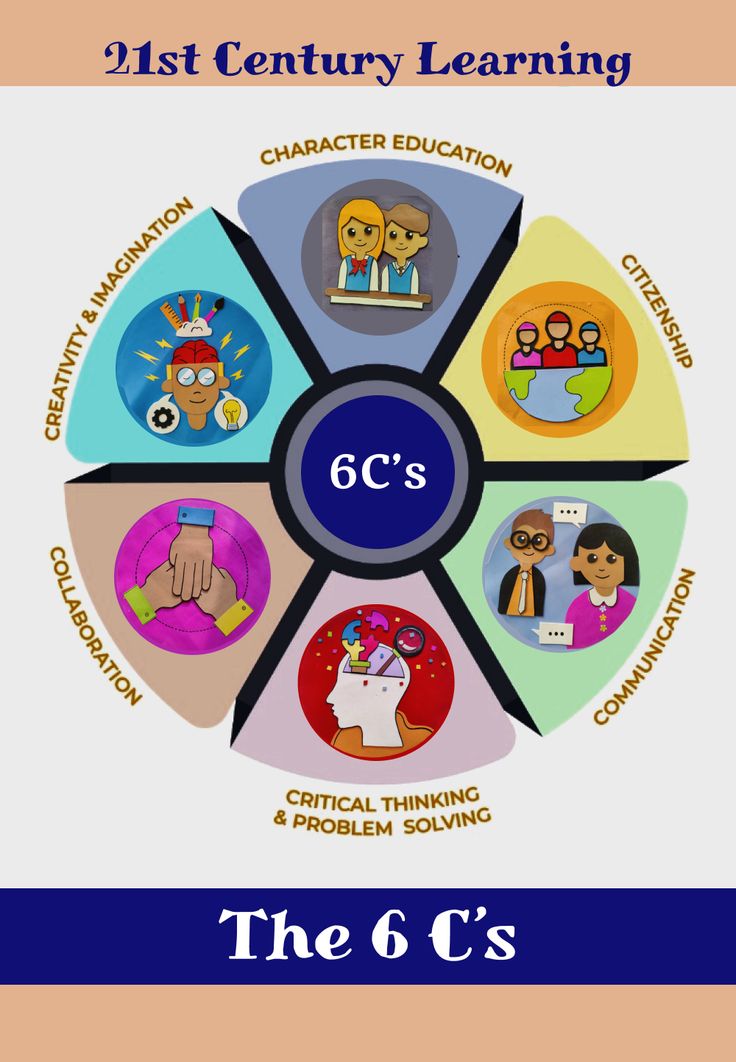
21st-century skills: preparing for a changing world
Technology, global connections and changing ways of working are reshaping how people learn, communicate and earn a living. In this environment, subject knowledge remains essential, but it is not always enough on its own. People also need a set of transferable abilities—often called 21st-century skills—to apply what they know, adapt to new situations and work effectively with others.
The term is used in education, business and public policy, and there is no single agreed list of these skills. However, many approaches share a common idea: learners need a balance of knowledge, practical abilities and personal qualities that helps them take part in society and respond to change.
What are 21st-century skills?
21st-century skills are capabilities that help people navigate complex, fast-changing environments. They are not a replacement for literacy, numeracy or specialist knowledge. Instead, they complement these foundations, helping people use information, solve problems and make thoughtful decisions.
Commonly recognised skills include:
- Critical thinking: examining information and evidence, recognising assumptions and reaching reasoned conclusions.
- Creativity: generating ideas, exploring different approaches and developing useful solutions.
- Communication: expressing ideas clearly and listening carefully, in person and through digital channels.
- Collaboration: working constructively with people who may have different knowledge, experiences or perspectives.
- Digital literacy: using digital tools effectively, understanding their limitations and behaving responsibly online.
- Information literacy: finding, assessing and using information, including judging the reliability of online sources.
- Adaptability: adjusting to new circumstances, learning from experience and responding to uncertainty.
- Self-management: setting goals, organising work, managing time and taking responsibility for learning.
- Social and emotional skills: understanding emotions, showing empathy and building respectful relationships.
Why do these skills matter?
Many modern challenges do not have a simple, ready-made answer. In work and everyday life, people may need to interpret incomplete information, consider different viewpoints and decide what to do next. Critical thinking and problem-solving can help them make more informed choices.
Technology also changes the tasks people undertake. Digital tools can make work faster and provide access to vast amounts of information, but they bring responsibilities too. Digital and information literacy help people protect their privacy, communicate respectfully, recognise misleading content and use technology with care.
Meanwhile, collaboration and communication are important in a wide range of settings—from classrooms and community projects to workplaces. The ability to share ideas, listen and resolve disagreements can help groups make progress without expecting everyone to think alike.
These skills are valuable beyond employment. They can support lifelong learning, active citizenship and participation in a diverse society. Their importance does not mean that every person needs to excel at every skill. Different situations call for different strengths, and people can develop their capabilities over time.
How can 21st-century skills be developed?
These abilities are best developed through practice, rather than taught only as abstract concepts. Schools, colleges, employers and community organisations can create opportunities for people to use them in meaningful contexts.
- Use real-world problems: Projects based on practical questions encourage learners to investigate, plan and test possible solutions.
- Make room for discussion: Debates and group conversations help people explain their reasoning, listen to others and reconsider their views when evidence changes.
- Encourage collaborative work: Shared tasks can build teamwork when roles are clear and each person is accountable for contributing.
- Teach digital judgement: Learners can practise checking sources, protecting personal information and considering the consequences of online actions.
- Support reflection: Reviewing what worked, what did not and what could be improved helps people learn from experience.
- Promote independent learning: Setting goals, seeking feedback and managing tasks can build confidence and self-direction.
Assessment matters as well. Tests can measure important knowledge, but they may not show how someone collaborates, adapts or applies learning to a new situation. A balanced approach can include presentations, portfolios, practical tasks and reflective work alongside more traditional assessments.
Skills for everyone—not just the young
The phrase “21st-century skills” is sometimes associated with school education, but these abilities are relevant throughout life. Adults may need to learn new digital tools, change careers, work across cultures or take on different responsibilities. Employers can help by offering training, mentoring and opportunities to learn on the job.
Access to these opportunities is not equal. Differences in resources, disability, language, connectivity and available support can affect people’s ability to build and demonstrate their skills. Organisations should therefore provide inclusive learning environments and avoid treating skill development as solely an individual responsibility.
A foundation for lifelong learning
21st-century skills are not a fixed checklist or a substitute for expertise. Their value lies in helping people use knowledge thoughtfully, learn from others and respond to change. By combining strong subject foundations with practical, social and digital capabilities, individuals and communities can be better equipped to meet today’s challenges—and those that have yet to emerge.
8 Essential Skills for Thriving in the 21st Century
- Think critically before accepting information.
- Communicate clearly in speech and writing.
- Work well with people from different backgrounds.
- Use digital tools safely and wisely.
- Stay curious and keep learning.
- Adapt calmly when plans change.
- Solve problems creatively and practically.
- Manage your time and priorities.
Think critically before accepting information.
Before accepting information as true, take a moment to think critically about it. Check who created it, what evidence supports it and whether the source is reliable and up to date. Compare it with information from other trustworthy sources, and be alert to emotional language or claims that seem designed to make you react quickly. This habit helps you make informed decisions, avoid spreading misleading information and develop a more balanced understanding of the world.
Communicate clearly in speech and writing.
Clear communication is an essential 21st-century skill, helping people share ideas, ask questions and work well with others. Practise expressing your thoughts simply and confidently in speech, and organise your writing so that it is easy to follow. Listening carefully, choosing language suited to your audience and checking your message for clarity can help prevent misunderstandings in classrooms, workplaces and everyday life.
Work well with people from different backgrounds.
Working well with people from different backgrounds means listening with an open mind, showing respect and valuing perspectives shaped by different cultures, experiences and skills. Ask thoughtful questions, communicate clearly and avoid making assumptions. When people feel included and can contribute their ideas, teams are more likely to understand problems from different angles and find effective solutions.
Use digital tools safely and wisely.
Use digital tools safely and wisely by protecting personal information, choosing strong passwords and thinking carefully before clicking links or sharing content. Check that information comes from trustworthy sources, and remember that online posts can have lasting effects. Use technology respectfully, take breaks when needed and ask for help if something online makes you feel uncomfortable or unsafe.
Stay curious and keep learning.
Stay curious and keep learning. The world is constantly changing, so a willingness to ask questions and explore new ideas can help you adapt and grow. Look for opportunities to learn from books, courses, conversations and everyday experiences. You do not need to master everything at once: small, regular steps can build your knowledge, confidence and ability to respond to new challenges.
Adapt calmly when plans change.
Adapt calmly when plans change by pausing, taking stock of the situation and focusing on what you can control. A flexible approach helps you consider alternatives, adjust priorities and communicate clearly with others, rather than rushing into a decision. Treat unexpected changes as opportunities to learn, and remember that staying composed can help you find a practical way forward.
Solve problems creatively and practically.
Solving problems creatively and practically means looking beyond the obvious answer while staying focused on what can realistically be done. Start by defining the problem, gathering relevant information and considering different viewpoints. Then generate several possible solutions, weigh their benefits and drawbacks, and choose an approach that suits the time, resources and people available. Testing your idea, learning from setbacks and adapting your plan can turn an imaginative thought into an effective result.
Manage your time and priorities.
Managing your time and priorities helps you stay focused and make steady progress towards your goals. Start by identifying what needs to be done, then decide which tasks are most important and tackle them first. Break larger pieces of work into manageable steps, set realistic deadlines and leave time for rest and unexpected changes. Regularly reviewing your plans can help you adjust your priorities, avoid last-minute pressure and take responsibility for your learning and work.