
Environment Volunteer: How to Make a Difference in Your Community
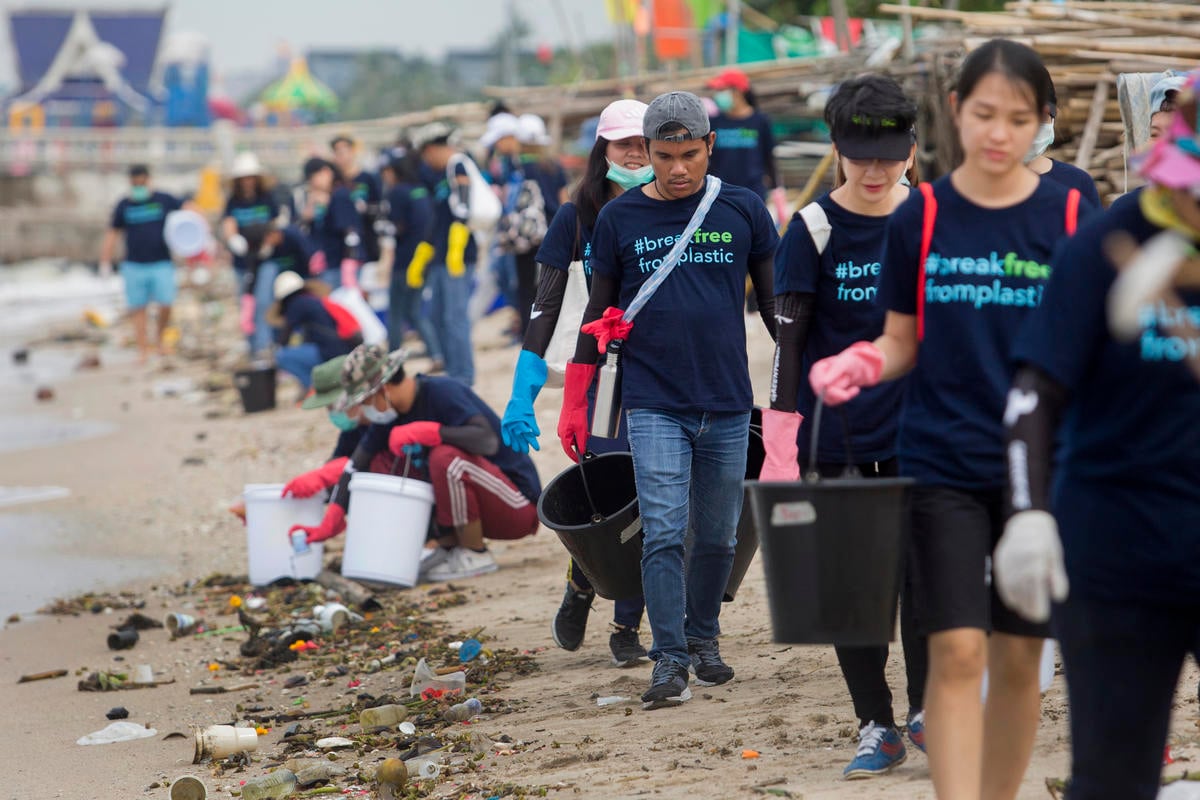
Environment Volunteering: Small Actions, Lasting Change
Environmental volunteering is a practical way to care for the places we live and the natural world around us. Whether you have an hour to spare or want to make a regular commitment, volunteering can help improve local spaces, support wildlife and bring communities together.
What does an environmental volunteer do?
Environmental volunteering covers a wide range of activities. The work often depends on local needs, the season and the skills of the volunteers. Opportunities may include:
- planting trees, hedgerows or wildflowers
- clearing litter from parks, beaches, rivers and footpaths
- helping to restore habitats such as wetlands and woodlands
- monitoring wildlife or recording sightings
- maintaining community gardens and nature reserves
- supporting recycling, repair or food-growing projects
- sharing information about conservation and sustainable living
Some roles involve physical outdoor work, while others focus on research, administration, communications or public engagement. There are opportunities for people with different interests, abilities and levels of experience.
Why get involved?
Volunteering can make a visible difference. A litter pick can make a shared space safer and more welcoming. Planting native species can provide food and shelter for wildlife. Helping to care for a community garden can create a valuable place for people to meet and grow food.
It can also be rewarding on a personal level. Volunteers may learn practical skills, spend more time outdoors and meet others who care about the environment. Group activities can build a stronger connection with a neighbourhood and encourage people to take pride in local green spaces.
Finding the right opportunity
Start by thinking about what you enjoy and how much time you can offer. If you like working outdoors, a conservation group or local park project may be a good fit. If you prefer organising or sharing information, a community campaign may suit you better.
Look for opportunities through local environmental organisations, wildlife groups, community gardens, councils, schools and charities. Before signing up, check what the role involves, whether training or equipment is provided, and whether the activity is suitable for your needs. Some projects welcome one-off help, while others rely on regular volunteers.
Getting started safely
Follow the organiser’s guidance and wear suitable clothing and footwear. For outdoor tasks, bring water and be prepared for changing weather. Use tools only if you have been shown how to handle them safely, and take care not to disturb wildlife or damage sensitive habitats.
Environmental volunteering is not about doing everything at once. A single afternoon can help, and regular small contributions can add up over time. By getting involved in a project near you, you can support a healthier environment and help make positive change part of everyday community life.
7 Tips for Volunteering to Help the Environment
- Join a local conservation group.
- Take part in community clean-ups.
- Wear sturdy, weatherproof clothing.
- Bring reusable gloves and a water bottle.
- Follow safety guidance and site rules.
- Choose tasks that match your skills.
- Encourage others to volunteer too.
Join a local conservation group.
Joining a local conservation group is a great way to support nature in your area and meet people who share your interests. Groups often organise practical activities such as planting native species, restoring habitats, monitoring wildlife and clearing litter. Look for a group near you, ask what activities they offer and choose a commitment that suits your time and abilities.
Take part in community clean-ups.
Taking part in community clean-ups is a simple, practical way to care for your local environment. Join a litter pick in a park, on a beach or beside a river, and help make the area cleaner and safer for people and wildlife. Bring suitable clothing, follow the organiser’s safety advice and use the equipment provided. Even a short session can make a visible difference—and working alongside neighbours can inspire others to look after shared spaces.
Wear sturdy, weatherproof clothing.
Wear sturdy, weatherproof clothing when volunteering outdoors so you can stay comfortable and focus on the task, whatever the conditions. Choose layers that suit the forecast, waterproof outerwear for rain, and strong, supportive footwear with good grip. Gloves may also help protect your hands when gardening, planting or clearing litter. Check the organiser’s advice before you go, as some activities may require specific safety clothing.
Bring reusable gloves and a water bottle.
Bring reusable gloves and a refillable water bottle when you volunteer outdoors. Gloves help protect your hands while you work, and reusable ones reduce the need for disposable alternatives. A water bottle makes it easier to stay hydrated throughout the day and helps cut down on single-use plastic. Check with the organiser first to see whether gloves are provided or if a particular type is recommended.
Follow safety guidance and site rules.
Always follow the safety guidance and site rules provided by the volunteer organiser. Wear any recommended protective clothing, use tools only as instructed and ask for help if you are unsure about a task. Site rules also help protect wildlife, habitats and other visitors, so take care to stay within permitted areas and avoid disturbing plants or animals.
Choose tasks that match your skills.
Choose environmental volunteering tasks that match your skills and interests. If you enjoy practical work, you could help plant trees, maintain community gardens or clear litter; if you prefer working with people, consider leading activities or sharing information about local conservation projects. Skills in writing, photography, administration, design or data handling can also support an organisation behind the scenes. Finding a role that suits you makes volunteering more enjoyable and helps you contribute effectively.
Encourage others to volunteer too.
Encourage others to volunteer by sharing your experience and inviting friends, family or colleagues to join you. A friendly invitation can make it easier for someone to take the first step, especially if they are unsure what to expect. You could organise a group litter pick, join a community garden session together or share details of local projects. The more people get involved, the more your community can achieve for the environment.