
The Vital Role of the Principal Investigator in Driving Research Excellence
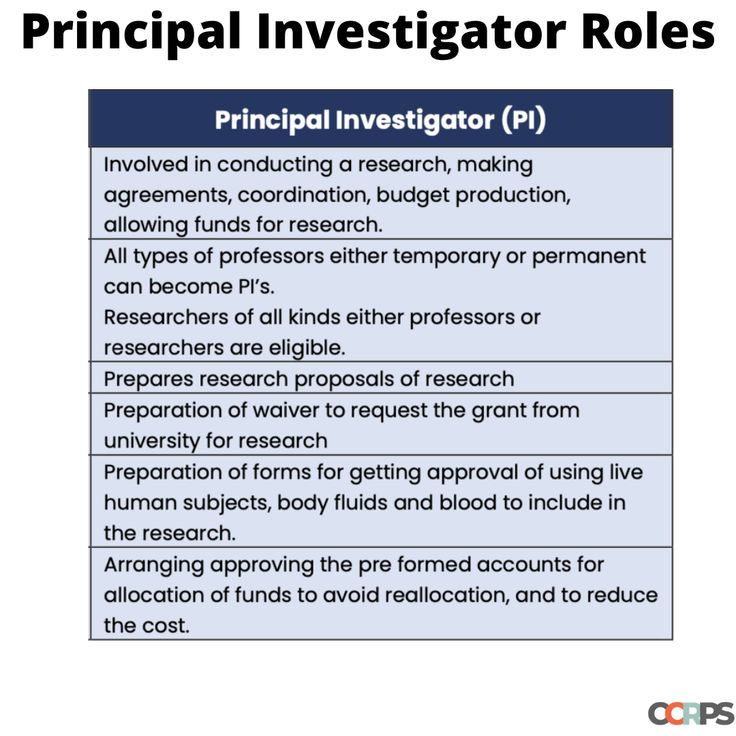
The Role of a Principal Investigator in Research
In the realm of research, the principal investigator (PI) plays a crucial role in leading and overseeing scientific investigations. The PI is typically a senior researcher who takes on the responsibility of designing, planning, and executing research projects. Their expertise and leadership are essential in ensuring the success and integrity of the study.
Responsibilities of a Principal Investigator
As the head of a research team, the PI has a range of responsibilities:
- Developing research proposals and securing funding
- Designing research methodologies and protocols
- Supervising research staff and collaborators
- Ensuring compliance with ethical guidelines and regulations
- Analysing data and interpreting results
- Communicating findings through publications, presentations, and reports
Skills Required
To excel as a principal investigator, one must possess a diverse set of skills:
- Strong research background and expertise in a specific field
- Excellent project management skills
- Effective communication and leadership abilities
- Critical thinking and problem-solving capabilities
- Attention to detail and commitment to quality research
The Impact of a Principal Investigator
The work of a principal investigator contributes significantly to advancing knowledge in various fields. Their research findings can lead to groundbreaking discoveries, influence policy decisions, drive innovation, and improve society’s understanding of complex issues. PIs play a vital role in shaping the direction of scientific inquiry and driving progress in their respective fields.
In Conclusion
The role of a principal investigator is pivotal in driving forward scientific research. With their expertise, leadership, and dedication, PIs lead teams towards new discoveries, innovations, and solutions that benefit society as a whole.
Understanding the Role of a Principal Investigator: Key Questions and Insights
- What is a principal investigator?
- What are the responsibilities of a principal investigator?
- How does one become a principal investigator?
- What skills are required to be a successful principal investigator?
- What is the difference between a principal investigator and a co-investigator?
- How does a principal investigator secure funding for research projects?
- What is the role of a principal investigator in ensuring research integrity?
What is a principal investigator?
A principal investigator, often referred to as a PI, is a senior researcher who assumes the lead role in overseeing and conducting scientific investigations within a research project. The PI is responsible for designing the study, securing funding, developing research methodologies, supervising team members, analysing data, and communicating findings. Their expertise and leadership are crucial in ensuring the success and integrity of the research endeavour. The role of a principal investigator is essential in advancing knowledge in various fields and driving progress through innovative discoveries and impactful contributions to their respective areas of study.
What are the responsibilities of a principal investigator?
The responsibilities of a principal investigator (PI) encompass a wide range of crucial tasks in the realm of research. PIs are tasked with developing research proposals, securing funding, designing robust methodologies, supervising research teams, ensuring compliance with ethical standards and regulations, analysing data, interpreting results, and effectively communicating findings through various channels such as publications and presentations. Their leadership and expertise are instrumental in driving the success and integrity of research projects, making them pivotal figures in advancing knowledge and contributing to scientific progress.
How does one become a principal investigator?
Becoming a principal investigator typically involves a combination of education, experience, and expertise in a specific field of research. Individuals aspiring to be PIs often start by pursuing advanced degrees, such as a PhD, in their chosen discipline. Gaining research experience through postdoctoral positions or working on research projects as part of a team is also beneficial. Developing strong analytical and critical thinking skills, honing project management abilities, and building a track record of publications and presentations are essential steps towards becoming a successful principal investigator. Additionally, securing funding for research projects and establishing collaborations with other researchers can further enhance one’s prospects of becoming a PI. It is a journey that requires dedication, perseverance, and continuous learning to reach the level of leadership and expertise required to lead independent research projects as a principal investigator.
What skills are required to be a successful principal investigator?
To be a successful principal investigator, a diverse set of skills is essential. Firstly, a strong research background and expertise in a specific field are crucial for guiding the research project effectively. Effective project management skills are also vital to ensure that the study progresses smoothly and meets its objectives. Additionally, excellent communication and leadership abilities are necessary to coordinate with team members, collaborators, and stakeholders. Critical thinking and problem-solving capabilities enable the PI to navigate challenges and make informed decisions throughout the research process. Lastly, attention to detail and a commitment to maintaining high standards of quality in research are key traits that contribute to the success of a principal investigator in leading impactful and meaningful research projects.
What is the difference between a principal investigator and a co-investigator?
In research projects, the principal investigator (PI) and co-investigator (Co-I) play distinct roles. The principal investigator is typically the lead researcher responsible for conceptualising and overseeing the entire study, securing funding, designing the research methodology, and ensuring compliance with regulations. On the other hand, co-investigators are researchers who collaborate with the PI and contribute to specific aspects of the project, such as data collection, analysis, or interpretation. While both roles are essential to the success of a research endeavour, the principal investigator holds primary responsibility for the project’s direction and outcomes.
How does a principal investigator secure funding for research projects?
Securing funding for research projects is a critical aspect of the role of a principal investigator. PIs typically secure funding through a variety of channels, including competitive grant applications to funding bodies, collaborations with industry partners, philanthropic donations, and institutional support. The process often involves developing a compelling research proposal that outlines the project’s objectives, methodology, expected outcomes, and budget requirements. PIs must demonstrate the significance and feasibility of their research to potential funders and align their proposals with the priorities and criteria set by funding agencies. Successful grant acquisition not only provides financial resources for the project but also validates the importance of the research topic and enhances the PI’s reputation in the academic community.
What is the role of a principal investigator in ensuring research integrity?
The role of a principal investigator in ensuring research integrity is paramount. As the leader of a research project, the PI is responsible for upholding the highest ethical standards and ensuring that all aspects of the study comply with regulations and guidelines. The PI plays a crucial role in designing robust research methodologies, overseeing data collection and analysis, and verifying the accuracy and validity of results. By promoting transparency, honesty, and adherence to ethical principles, the principal investigator safeguards the integrity of the research process and maintains trust in scientific findings.