
Unleashing the Potential: Exploring the Wonders of Stem Cell Technology
The Revolutionary Potential of Stem Cell Technology
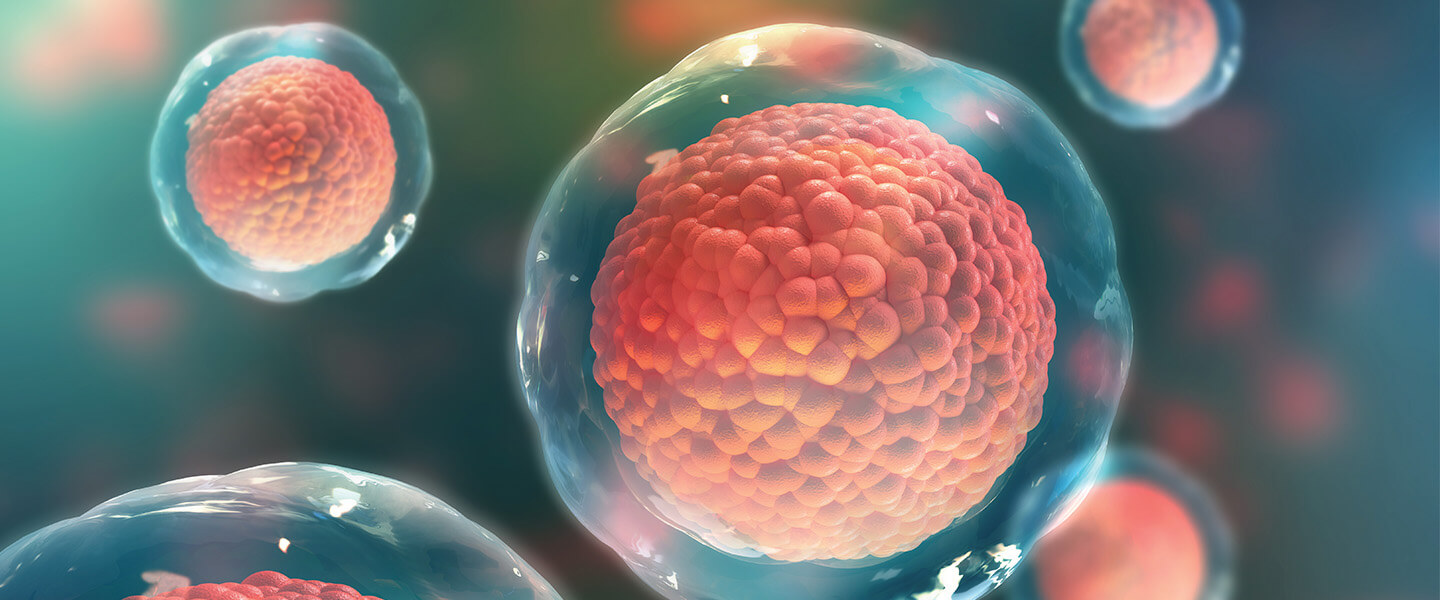
Stem cell technology has emerged as a groundbreaking field with the potential to revolutionize medicine and healthcare. Stem cells are unique cells with the remarkable ability to develop into different types of cells in the body, offering new possibilities for treating a wide range of diseases and injuries.
One of the key characteristics of stem cells is their ability to self-renew and differentiate into specialized cell types, such as nerve cells, heart muscle cells, or bone cells. This versatility holds great promise for regenerative medicine, where damaged or diseased tissues can be repaired or replaced with healthy new cells derived from stem cells.
Stem cell technology has already shown significant progress in various medical applications. For example, stem cell therapies have been used to treat conditions such as spinal cord injuries, heart disease, diabetes, and certain types of cancer. These treatments aim to restore normal tissue function by replacing damaged or dysfunctional cells with healthy ones generated from stem cells.
Moreover, stem cell research is advancing our understanding of disease mechanisms and drug development. By studying how diseases develop at the cellular level and testing potential treatments on stem cell models, researchers can gain valuable insights that may lead to more effective therapies in the future.
Despite its immense potential, stem cell technology also raises ethical and regulatory challenges. The use of embryonic stem cells, in particular, has sparked debates about moral implications and guidelines for their responsible use in research and therapy. However, advancements in induced pluripotent stem cells (iPSCs) have provided an ethical alternative by reprogramming adult cells to behave like embryonic stem cells.
In conclusion, stem cell technology represents a promising frontier in medicine that offers hope for addressing previously incurable diseases and injuries. With ongoing research and innovation, we are witnessing the transformative power of stem cells in improving human health and quality of life.
9 Essential Insights into the Advancements and Ethics of Stem Cell Technology
- Stem cell technology has the potential to treat a wide range of medical conditions.
- Research in stem cell technology is ongoing and constantly evolving.
- Ethical considerations are important when working with stem cells.
- Different types of stem cells have different capabilities and applications.
- Stem cell therapy may offer personalized treatment options for patients in the future.
- Regenerative medicine is a key area where stem cell technology plays a significant role.
- Clinical trials are essential to evaluate the safety and efficacy of stem cell treatments.
- Collaboration between scientists, clinicians, and regulatory bodies is crucial for advancing stem cell research responsibly.
- Public awareness and education about stem cell technology are important for informed decision-making.
Stem cell technology has the potential to treat a wide range of medical conditions.
Stem cell technology holds the promise of transforming the treatment landscape for a diverse array of medical conditions. With their unique ability to develop into different cell types, stem cells offer a versatile approach to addressing diseases and injuries that were once considered challenging to treat. From neurological disorders to cardiovascular diseases, stem cell technology opens up new possibilities for personalised and effective therapies that could significantly improve the quality of life for patients worldwide.
Research in stem cell technology is ongoing and constantly evolving.
Research in stem cell technology is ongoing and constantly evolving, demonstrating the dynamic nature of this field. Scientists and researchers around the world are continuously exploring new avenues, refining techniques, and uncovering novel applications for stem cells in medicine and beyond. This relentless pursuit of knowledge and innovation underscores the potential for further breakthroughs that could revolutionize healthcare and improve lives in profound ways.
Ethical considerations are important when working with stem cells.
Ethical considerations play a crucial role in the field of stem cell technology. When working with stem cells, it is essential to uphold ethical standards and guidelines to ensure that research and applications are conducted responsibly and with respect for human dignity. Issues such as the source of stem cells, consent for donation, potential risks to donors and recipients, and the implications of manipulating human cells must be carefully considered to navigate the ethical complexities of this innovative technology. By prioritising ethical considerations, researchers and practitioners can promote transparency, accountability, and trust in the development and use of stem cell therapies for the benefit of society.
Different types of stem cells have different capabilities and applications.
Various types of stem cells exhibit distinct capabilities and serve different purposes in the field of regenerative medicine. For instance, embryonic stem cells are pluripotent, meaning they can differentiate into any cell type in the body, making them valuable for studying early development and potential therapies. On the other hand, adult stem cells are multipotent and have a more limited ability to differentiate into specific cell types, often used for tissue repair and regeneration. Understanding the unique properties of each type of stem cell is crucial for harnessing their full potential and tailoring their applications to specific medical needs.
Stem cell therapy may offer personalized treatment options for patients in the future.
Stem cell therapy holds the potential to revolutionize healthcare by providing personalized treatment options for patients in the future. By harnessing the unique properties of stem cells to regenerate and repair damaged tissues, this innovative approach may offer tailored solutions based on individual needs and conditions. Customized stem cell therapies have the capacity to address a wide range of medical issues, from degenerative diseases to traumatic injuries, paving the way for a new era of precision medicine where patients receive targeted and effective treatments that are specifically designed for them.
Regenerative medicine is a key area where stem cell technology plays a significant role.
Regenerative medicine stands out as a pivotal field where stem cell technology plays a crucial role. With their unique ability to differentiate into various cell types, stem cells hold immense promise in repairing and regenerating damaged tissues and organs. This innovative approach offers hope for treating a wide range of conditions, from spinal cord injuries to degenerative diseases, by harnessing the regenerative potential of stem cells to restore normal tissue function and improve patient outcomes.
Clinical trials are essential to evaluate the safety and efficacy of stem cell treatments.
Clinical trials play a crucial role in assessing the safety and effectiveness of stem cell treatments. These trials provide a structured and rigorous framework for testing new therapies on human subjects, helping researchers gather valuable data on how stem cells behave in the body and their impact on specific diseases or conditions. By conducting clinical trials, scientists can determine the optimal dosage, delivery method, and potential side effects of stem cell treatments, ensuring that they meet the necessary standards for patient safety and regulatory approval. Overall, clinical trials are vital in advancing our understanding of stem cell technology and guiding its responsible application in healthcare settings.
Collaboration between scientists, clinicians, and regulatory bodies is crucial for advancing stem cell research responsibly.
Collaboration between scientists, clinicians, and regulatory bodies is essential for driving forward stem cell research in a responsible and ethical manner. By working together, scientists can leverage their expertise in stem cell biology and technology, clinicians can provide valuable insights into the practical applications of stem cell therapies in healthcare settings, and regulatory bodies can ensure that research is conducted ethically and in compliance with established guidelines. This collaborative approach not only accelerates the progress of stem cell research but also helps to safeguard the well-being of patients and the integrity of scientific advancements in this field.
Public awareness and education about stem cell technology are important for informed decision-making.
Public awareness and education about stem cell technology are crucial for enabling individuals to make informed decisions regarding its potential benefits and ethical considerations. By increasing understanding of the capabilities and limitations of stem cell research and therapies, the public can better navigate discussions surrounding this innovative field. This knowledge empowers individuals to engage in meaningful dialogue, support responsible research practices, and advocate for policies that uphold ethical standards in the use of stem cells for medical advancements. Ultimately, promoting public awareness and education plays a vital role in shaping a well-informed society that can contribute to the ethical and effective advancement of stem cell technology.