
Embracing Nature: The Essence of Biophilic Architecture in Modern Design
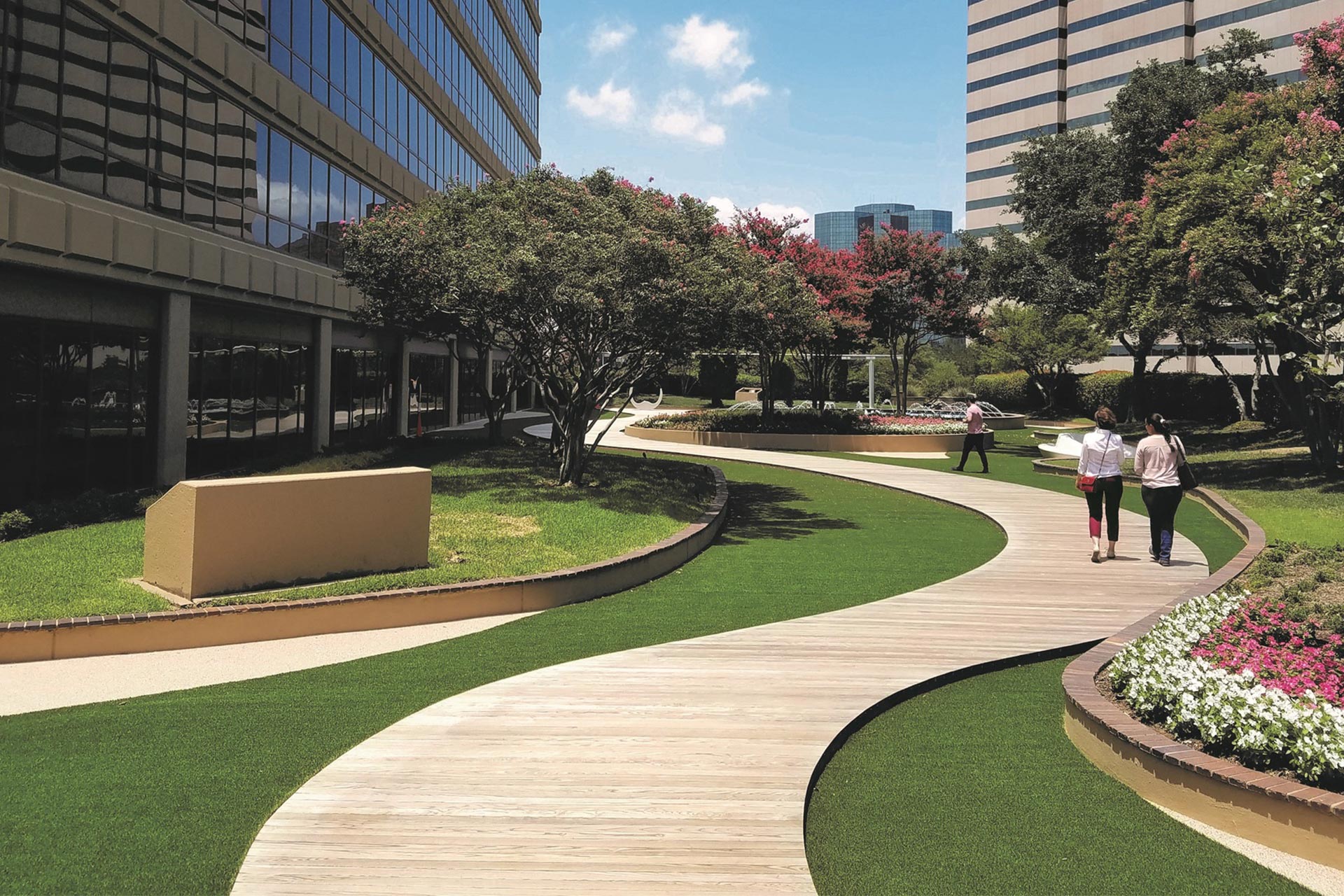
The Beauty of Biophilic Architecture
Biophilic architecture is a design approach that seeks to connect buildings and inhabitants with nature. It incorporates natural elements, such as plants, water, and natural light, into the built environment to create spaces that enhance well-being and productivity.
One of the key principles of biophilic architecture is to create a strong visual connection to nature. This can be achieved through large windows that offer views of greenery or by incorporating living walls and indoor gardens into the design. By bringing nature indoors, biophilic architecture helps reduce stress, improve mood, and increase productivity.
Another important aspect of biophilic architecture is the use of natural materials. Wood, stone, and other natural materials not only create a warm and inviting atmosphere but also have been shown to have positive effects on human health. These materials are often used in combination with modern technology to create sustainable and energy-efficient buildings.
In addition to visual connections and natural materials, biophilic architecture also focuses on creating spaces that engage all the senses. The sound of running water, the scent of flowers, and the feel of natural textures can all contribute to a more immersive and restorative experience for building occupants.
Research has shown that biophilic design can have numerous benefits for individuals and communities. From improved mental health and cognitive function to increased physical activity and social interaction, biophilic architecture has the potential to transform our built environment into spaces that promote health and well-being.
As we continue to urbanize at a rapid pace, incorporating biophilic principles into our buildings becomes increasingly important. By embracing nature in our architectural designs, we can create spaces that not only look beautiful but also support our physical, mental, and emotional well-being.
Enhancing Spaces: Six Essential Tips for Embracing Biophilic Architecture
- Incorporate natural elements like plants and water features in the design.
- Maximize natural light by using large windows and skylights.
- Use natural materials such as wood, stone, and bamboo in construction.
- Create connections to the outdoors with balconies, terraces, or gardens.
- Include views of nature from inside the building wherever possible.
- Design spaces that promote a sense of tranquillity and well-being through biophilic principles.
Incorporate natural elements like plants and water features in the design.
By incorporating natural elements such as plants and water features into the design, biophilic architecture creates a harmonious connection between the built environment and nature. The presence of greenery and flowing water not only enhances the aesthetic appeal of a space but also promotes a sense of tranquillity and well-being among its occupants. These elements bring life and vitality to the surroundings, creating a refreshing and rejuvenating atmosphere that can positively impact both physical and mental health.
Maximize natural light by using large windows and skylights.
To enhance the biophilic qualities of a building, it is recommended to maximise natural light by incorporating large windows and skylights into the design. By allowing ample natural light to flood the interior spaces, these architectural elements not only create a brighter and more inviting atmosphere but also establish a strong visual connection between occupants and the outdoor environment. The abundant natural light brought in through windows and skylights can help improve mood, boost productivity, and reduce reliance on artificial lighting, contributing to a more sustainable and health-promoting built environment.
Use natural materials such as wood, stone, and bamboo in construction.
In biophilic architecture, incorporating natural materials like wood, stone, and bamboo into construction plays a crucial role in creating spaces that foster a deep connection with nature. These materials not only add warmth and character to the built environment but also have been shown to positively impact human health and well-being. By using such organic elements, buildings can evoke a sense of harmony and tranquillity, promoting a more sustainable and aesthetically pleasing living or working environment.
Create connections to the outdoors with balconies, terraces, or gardens.
Creating connections to the outdoors with balconies, terraces, or gardens is a key aspect of biophilic architecture. These outdoor spaces not only provide opportunities for relaxation and social interaction but also serve as extensions of indoor living areas, blurring the boundaries between inside and outside. By incorporating balconies, terraces, or gardens into architectural designs, occupants can enjoy fresh air, natural light, and views of greenery, fostering a deeper connection to nature and enhancing overall well-being.
Include views of nature from inside the building wherever possible.
Incorporating views of nature from inside the building wherever possible is a fundamental principle of biophilic architecture. By strategically placing windows and openings that offer glimpses of greenery, water features, or natural landscapes, architects can create spaces that not only visually connect occupants with the outdoors but also enhance their well-being and productivity. These views provide a sense of calmness, inspiration, and connection to the natural world, promoting a healthier and more harmonious living or working environment.
Design spaces that promote a sense of tranquillity and well-being through biophilic principles.
Designing spaces that promote a sense of tranquillity and well-being through biophilic principles involves creating environments that connect occupants with nature to enhance their overall sense of calmness and health. By incorporating elements such as natural light, indoor plants, and natural materials, architects can cultivate spaces that evoke feelings of peace and relaxation, ultimately contributing to improved mental well-being and productivity. Embracing biophilic design principles in architectural projects not only enhances the aesthetics of the space but also fosters a harmonious relationship between people and their surroundings, creating a sanctuary for rejuvenation and balance.