
Constructing Sustainable Buildings: A Greener Approach to Construction
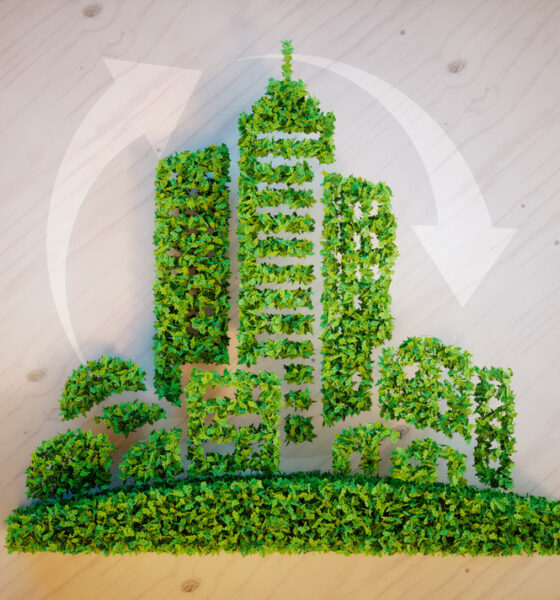
Building Sustainable: The Path to a Greener Future
In today’s world, the concept of sustainability has become more important than ever. As we face environmental challenges such as climate change and resource depletion, it is crucial that we adopt sustainable practices in all aspects of our lives, including the way we build and design our living spaces.
Building sustainably involves creating structures that are environmentally responsible, energy-efficient, and socially beneficial. It goes beyond just using eco-friendly materials; it encompasses the entire lifecycle of a building, from design and construction to operation and maintenance.
One key aspect of sustainable building is energy efficiency. By incorporating features such as proper insulation, energy-efficient appliances, and renewable energy sources like solar panels, buildings can significantly reduce their carbon footprint and energy consumption.
Another important consideration in sustainable construction is the use of environmentally friendly materials. This includes using recycled or renewable materials, minimising waste during construction, and choosing materials that have low embodied carbon emissions.
Sustainable buildings also focus on creating healthy indoor environments for occupants. This can be achieved through good ventilation systems, natural lighting, non-toxic materials, and access to green spaces that promote well-being and productivity.
Furthermore, sustainable building practices contribute to the overall resilience of communities in the face of climate change. By designing buildings that can withstand extreme weather events and natural disasters, we can ensure the safety and security of residents while reducing the impact on the environment.
In conclusion, building sustainably is not just a trend; it is a necessity for creating a greener future for generations to come. By embracing sustainable practices in construction and design, we can reduce our environmental footprint, improve quality of life, and work towards a more resilient and sustainable society.
Seven Essential Tips for Building a Sustainable Lifestyle
- Reduce, reuse, and recycle to minimise waste.
- Choose energy-efficient appliances and lighting for your home.
- Use public transport, walk, cycle or carpool to reduce emissions.
- Support local and sustainable businesses in your community.
- Conserve water by fixing leaks and using water-saving devices.
- Plant trees and create green spaces to improve air quality.
- Educate yourself and others about the importance of sustainability.
Reduce, reuse, and recycle to minimise waste.
Reducing, reusing, and recycling are essential principles in building sustainably. By minimising waste through these practices, we can significantly decrease the environmental impact of construction projects. Reducing the amount of materials used, reusing items where possible, and recycling materials at the end of their lifecycle not only conserves resources but also reduces energy consumption and greenhouse gas emissions associated with manufacturing new materials. Embracing the mantra of reduce, reuse, and recycle is a simple yet effective way to promote sustainability in building practices and contribute to a healthier planet for future generations.
Choose energy-efficient appliances and lighting for your home.
When aiming to build sustainably, a crucial tip is to select energy-efficient appliances and lighting for your home. By opting for appliances with high energy efficiency ratings and using LED or CFL light bulbs, you can significantly reduce your household’s energy consumption and carbon footprint. This simple yet effective choice not only helps lower utility bills but also contributes to a more environmentally friendly living space, aligning with the principles of sustainable building practices.
Use public transport, walk, cycle or carpool to reduce emissions.
Using public transport, walking, cycling, or carpooling are effective ways to reduce emissions and contribute to building sustainably. By opting for these eco-friendly transportation methods, individuals can help lower their carbon footprint and reduce air pollution. Embracing alternative modes of transport not only benefits the environment but also promotes healthier lifestyles by encouraging physical activity and reducing reliance on fossil fuels. Making conscious choices in how we travel can have a positive impact on our communities and the planet as a whole.
Support local and sustainable businesses in your community.
Supporting local and sustainable businesses in your community is a crucial step towards building sustainably. By choosing to patronise businesses that prioritise eco-friendly practices and local sourcing, you not only reduce the carbon footprint associated with transportation and production but also contribute to the economic vitality of your community. Local businesses often have a smaller environmental impact, support local artisans and farmers, and help build a more resilient and sustainable local economy. Embracing these businesses aligns with the principles of sustainability, fostering a sense of community and environmental responsibility that benefits both present and future generations.
Conserve water by fixing leaks and using water-saving devices.
Conserving water is a crucial aspect of building sustainably. One effective tip is to fix leaks promptly and incorporate water-saving devices into our daily routines. By addressing leaks in plumbing systems and installing devices such as low-flow faucets, showerheads, and toilets, we can significantly reduce water wastage and contribute to a more sustainable water usage pattern. These small yet impactful actions not only help conserve a precious resource but also promote responsible water management practices for a greener future.
Plant trees and create green spaces to improve air quality.
Planting trees and creating green spaces are essential steps in building sustainably. Not only do trees and greenery enhance the aesthetics of our surroundings, but they also play a crucial role in improving air quality. Trees act as natural filters, absorbing harmful pollutants and releasing oxygen into the atmosphere. By incorporating green spaces into our urban environments, we can combat air pollution, provide habitats for wildlife, and promote a healthier and more sustainable way of living for both current and future generations.
Educate yourself and others about the importance of sustainability.
It is essential to educate yourself and others about the significance of sustainability when aiming to build sustainably. By increasing awareness and understanding of the principles of sustainability, individuals can make informed decisions that have a positive impact on the environment and society. Sharing knowledge about sustainable practices helps foster a culture of responsibility and encourages collective action towards creating a more sustainable future for all.