
Unlocking Success: The Strategic Role of Corporate Innovation in Business Growth
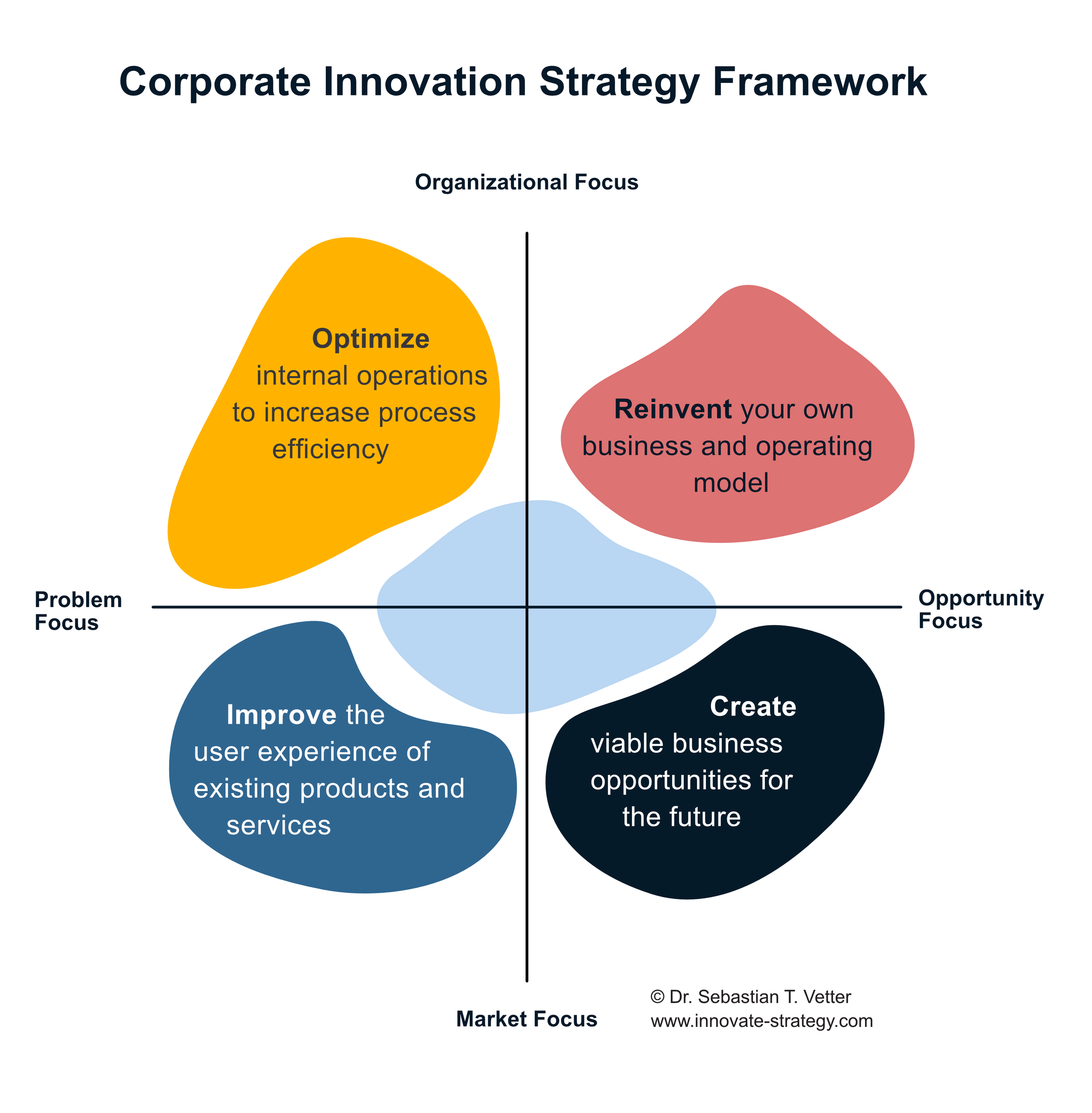
The Power of Corporate Innovation: Driving Growth and Success
Corporate innovation is the lifeblood of successful businesses in today’s fast-paced and competitive world. It refers to the process of developing new ideas, products, services, or business models within a company to drive growth, increase efficiency, and maintain a competitive edge in the market.
Innovation is not just about creating something new; it’s about solving problems, meeting customer needs, and adapting to changing market dynamics. Companies that embrace innovation are more likely to thrive and succeed in the long run.
The Benefits of Corporate Innovation
Competitive Advantage: Innovating allows companies to differentiate themselves from competitors by offering unique products or services that meet customer demands better than existing solutions.
Increased Efficiency: Innovation often leads to process improvements and streamlined operations, resulting in cost savings and higher productivity.
Business Growth: Introducing innovative products or services can open up new revenue streams and expand market reach, driving business growth and profitability.
Employee Engagement: Encouraging a culture of innovation within the company can boost employee morale, creativity, and job satisfaction.
Keys to Successful Corporate Innovation
Leadership Support: Top management must champion innovation efforts and provide the necessary resources and support for idea generation and implementation.
Collaboration: Foster cross-functional collaboration and encourage employees at all levels to contribute ideas and feedback for continuous improvement.
Risk-Taking Culture: Embrace calculated risks and learn from failures as part of the innovation process without fear of repercussions.
Customer-Centric Approach: Keep customer needs at the forefront of innovation efforts to ensure that new products or services add value and address real pain points.
Innovation in Action: Case Studies
“Company X revolutionized the industry with its innovative approach to supply chain management, reducing costs by 20% while improving delivery times.”
“Startup Y disrupted the market with its cutting-edge technology solution, attracting a loyal customer base within months of launch.”
The Future of Corporate Innovation
In today’s rapidly evolving business landscape, corporate innovation is no longer optional but essential for survival. Companies that fail to innovate risk falling behind their competitors and losing relevance in the market. By fostering a culture of creativity, experimentation, and continuous improvement, businesses can stay ahead of the curve and drive sustainable growth in the long term.
Six Essential Tips for Fostering Corporate Innovation
- Encourage a culture of creativity and risk-taking within the organisation.
- Invest in research and development to stay ahead of the competition.
- Foster collaboration and communication among different teams and departments.
- Embrace new technologies and trends to drive innovation in products or services.
- Listen to feedback from customers, employees, and stakeholders to identify areas for improvement.
- Reward and recognise innovative ideas and efforts to motivate employees.
Encourage a culture of creativity and risk-taking within the organisation.
To drive corporate innovation, it is crucial to foster a culture of creativity and risk-taking within the organisation. By encouraging employees to think outside the box, explore new ideas, and take calculated risks, companies can unlock untapped potential and drive meaningful change. Embracing creativity allows for fresh perspectives and innovative solutions to emerge, while promoting a culture of risk-taking empowers employees to experiment, learn from failures, and ultimately propel the organisation towards greater success. In an environment where creativity and risk-taking are valued, employees are more likely to innovate, collaborate effectively, and contribute towards the company’s overall growth and competitiveness.
Invest in research and development to stay ahead of the competition.
To stay ahead of the competition in the realm of corporate innovation, it is crucial for companies to invest significantly in research and development. By allocating resources towards R&D activities, businesses can drive the creation of new ideas, products, and solutions that set them apart from competitors. Through continuous innovation and exploration of cutting-edge technologies and methodologies, companies can not only maintain their competitive edge but also lead the way in shaping industry trends and meeting evolving customer needs. Investing in research and development is an investment in future success and sustainability for any forward-thinking organisation.
Foster collaboration and communication among different teams and departments.
Fostering collaboration and communication among different teams and departments is a crucial tip for driving corporate innovation. By breaking down silos and encouraging cross-functional interaction, companies can leverage diverse perspectives, expertise, and ideas to fuel creativity and problem-solving. When teams collaborate effectively, they can share knowledge, resources, and best practices, leading to more innovative solutions that address complex challenges and drive business growth. Effective communication ensures that everyone is aligned towards common goals, enabling seamless coordination and synergy across the organisation for successful innovation initiatives.
Embrace new technologies and trends to drive innovation in products or services.
To drive innovation in products or services, it is crucial for companies to embrace new technologies and trends. By staying abreast of the latest advancements and incorporating them into their offerings, businesses can enhance efficiency, improve customer experiences, and gain a competitive edge in the market. Embracing new technologies not only allows companies to meet evolving consumer demands but also opens up opportunities for creative solutions and disruptive innovations that can propel them towards success in today’s dynamic business landscape.
Listen to feedback from customers, employees, and stakeholders to identify areas for improvement.
Listening to feedback from customers, employees, and stakeholders is a crucial aspect of corporate innovation. By actively seeking and considering feedback from these key groups, businesses can gain valuable insights into areas for improvement and innovation. Customer feedback helps in understanding market needs and preferences, while employee input can uncover internal inefficiencies or opportunities for process enhancements. Stakeholder feedback provides a broader perspective on the business’s impact and reputation. Incorporating this feedback into the innovation process allows companies to align their strategies with the needs of their stakeholders, ultimately driving growth and success in a competitive market environment.
Reward and recognise innovative ideas and efforts to motivate employees.
Rewarding and recognising innovative ideas and efforts is a crucial strategy in driving corporate innovation. By acknowledging and incentivising employees who contribute valuable insights and creative solutions, companies can foster a culture of innovation within their organisation. Recognising individual or team efforts not only motivates employees to continue generating new ideas but also reinforces the importance of innovation as a core value. Rewards can come in various forms, such as monetary bonuses, public recognition, career advancement opportunities, or even dedicated innovation projects. Ultimately, by valuing and celebrating innovation, businesses can inspire their workforce to think outside the box and drive positive change for the company’s growth and success.