
Understanding the Significance of Environmental Impacts in Today’s World
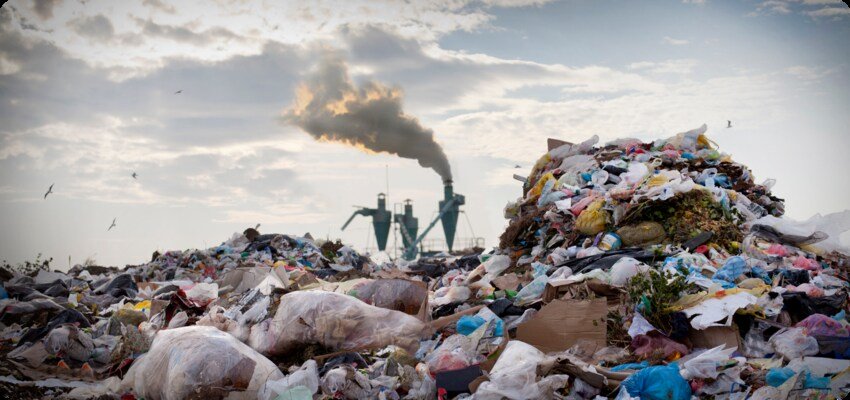
The Environmental Impacts We Need to Address
In recent years, the world has witnessed a growing awareness of the environmental impacts of human activities. From climate change to biodiversity loss, our actions have far-reaching consequences on the planet we call home.
Climate Change
One of the most pressing environmental issues is climate change. The burning of fossil fuels for energy production and transportation releases greenhouse gases into the atmosphere, leading to global warming and unpredictable weather patterns. It is imperative that we transition to renewable energy sources and reduce our carbon footprint to mitigate the impact of climate change.
Deforestation
Deforestation is another critical environmental issue that affects biodiversity and contributes to climate change. The clearing of forests for agriculture, logging, and urban development destroys habitats for countless species and reduces the planet’s ability to absorb carbon dioxide. Sustainable forest management practices and reforestation efforts are essential to combat deforestation.
Pollution
Pollution in its various forms – air, water, and soil pollution – poses a significant threat to human health and ecosystems. Industrial activities, improper waste disposal, and agricultural runoff are major contributors to pollution. Implementing strict regulations, promoting recycling and waste reduction, and investing in clean technologies are crucial steps towards reducing pollution levels.
Biodiversity Loss
The loss of biodiversity due to habitat destruction, overexploitation of natural resources, pollution, and climate change jeopardizes ecosystems’ stability and resilience. Protecting endangered species, establishing protected areas, and promoting sustainable land use practices are essential for preserving biodiversity.
Sustainable Solutions
To address these environmental impacts effectively, we need collective action at local, national, and global levels. Adopting sustainable practices in our daily lives, supporting environmentally-friendly policies, investing in green technologies, and raising awareness about environmental issues are key steps towards building a more sustainable future for generations to come.
Exploring Key Environmental Impacts: Frequently Asked Questions
- What has the biggest environmental impact?
- What is the environmental impact on life?
- What are the three major environmental impacts?
- What are environmental impacts?
- What are examples of ecological impacts?
- What are the 5 major environmental problems and solutions?
- What are the 8 environmental impacts?
What has the biggest environmental impact?
When considering the question of what has the biggest environmental impact, it is essential to acknowledge that various factors contribute to the degradation of our planet. The burning of fossil fuels for energy production, deforestation, industrial pollution, and unsustainable agricultural practices are among the significant contributors to environmental harm. Climate change, resulting from greenhouse gas emissions, is a pressing issue with far-reaching consequences for ecosystems and human societies worldwide. Addressing these interconnected challenges requires a holistic approach that promotes sustainable practices, conservation efforts, and collective action to mitigate the most significant environmental impacts we face today.
What is the environmental impact on life?
The environmental impact on life is profound and far-reaching, encompassing various aspects that affect both ecosystems and human well-being. From climate change altering weather patterns and sea levels to deforestation threatening biodiversity and natural habitats, the consequences of human activities on the environment are significant. Pollution of air, water, and soil further exacerbates these impacts, posing health risks to both wildlife and humans. Ultimately, the environmental impact on life underscores the interconnectedness of all living beings and emphasises the urgent need for sustainable practices to preserve our planet for future generations.
What are the three major environmental impacts?
When considering the major environmental impacts, three key factors stand out: climate change, biodiversity loss, and pollution. Climate change, driven by human activities such as burning fossil fuels, poses a significant threat to global ecosystems and weather patterns. Biodiversity loss, resulting from habitat destruction and overexploitation of natural resources, undermines the delicate balance of our planet’s ecosystems. Pollution in its various forms – air, water, and soil pollution – poses a grave risk to both human health and the environment. Addressing these three major environmental impacts requires concerted efforts towards sustainable practices, conservation efforts, and pollution reduction strategies to safeguard our planet for future generations.
What are environmental impacts?
Environmental impacts refer to the effects that human activities have on the natural world and ecosystems. These impacts can manifest in various forms, including pollution, habitat destruction, climate change, biodiversity loss, and resource depletion. Human actions such as industrial processes, deforestation, urbanization, and intensive agriculture contribute to these environmental impacts, leading to detrimental consequences for both the environment and human health. Understanding and mitigating these impacts are crucial for ensuring a sustainable future for our planet and all its inhabitants.
What are examples of ecological impacts?
Ecological impacts refer to the effects of human activities on ecosystems and the natural environment. Examples of ecological impacts include habitat destruction due to deforestation or urban development, leading to loss of biodiversity and disruption of food chains. Pollution from industrial activities or agricultural runoff can contaminate water bodies, affecting aquatic life and ecosystem health. Climate change caused by greenhouse gas emissions alters temperature patterns, affecting plant and animal species’ survival and migration patterns. Overfishing and hunting can deplete populations of certain species, disrupting the balance within ecosystems. Addressing these ecological impacts requires sustainable practices, conservation efforts, and policies that promote environmental stewardship for the preservation of our planet’s biodiversity and ecosystems.
What are the 5 major environmental problems and solutions?
One frequently asked question regarding environmental impacts is, “What are the 5 major environmental problems and solutions?” The five major environmental problems often cited include climate change, deforestation, pollution, biodiversity loss, and water scarcity. To address these challenges, solutions such as transitioning to renewable energy sources, implementing sustainable forest management practices, reducing pollution through stricter regulations and cleaner technologies, preserving biodiversity through conservation efforts and protected areas, and promoting water conservation measures are crucial. By tackling these issues with a combination of individual actions, policy changes, and technological advancements, we can work towards a more sustainable future for our planet.
What are the 8 environmental impacts?
When considering the environmental impacts of human activities, there are various factors to take into account. The eight key environmental impacts often discussed include climate change, deforestation, pollution (air, water, and soil), biodiversity loss, resource depletion, ocean acidification, ozone layer depletion, and habitat destruction. Each of these impacts plays a significant role in shaping the health of our planet and its ecosystems. By addressing these environmental challenges through sustainable practices, conservation efforts, and global cooperation, we can work towards a more balanced and resilient environment for current and future generations.