
Exploring the Significance of Field Research in Scientific Inquiry
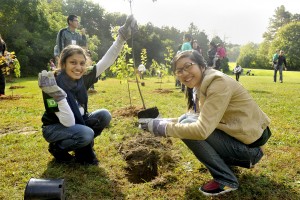
The Importance of Field Research in Scientific Studies
Field research plays a crucial role in scientific studies across various disciplines, providing researchers with valuable insights and data that cannot be obtained in a laboratory setting. Conducted in real-world environments, field research involves direct observation, data collection, and interaction with subjects or phenomena under study.
One of the key advantages of field research is its ability to capture the complexity and nuances of natural settings. By observing subjects in their natural habitats, researchers can gain a deeper understanding of their behaviour, interactions, and characteristics. This rich contextual information is essential for generating accurate and meaningful results.
Field research also allows researchers to test hypotheses and theories in real-world conditions, providing empirical evidence to support or refute existing knowledge. Through hands-on experience and direct engagement with subjects, researchers can uncover new patterns, relationships, and insights that may not have been evident in controlled laboratory experiments.
Furthermore, field research enables researchers to address complex questions that require a holistic approach. By studying subjects within their natural contexts, researchers can consider various factors that influence outcomes, such as environmental conditions, social dynamics, cultural practices, and geographical features.
In addition to generating new knowledge and advancing scientific understanding, field research has practical implications for addressing real-world challenges. For example, field studies in ecology help conservationists develop effective strategies for protecting biodiversity and ecosystems. Similarly, field research in anthropology informs policymakers about cultural practices and social dynamics that impact community well-being.
Despite its benefits, field research presents unique challenges related to logistics, access to resources, ethical considerations, and data validity. Researchers must carefully plan their fieldwork activities, adhere to ethical guidelines for working with human or animal subjects, ensure data accuracy and reliability, and manage risks associated with conducting research in remote or unfamiliar locations.
In conclusion, field research is an indispensable component of scientific studies that offers invaluable opportunities for exploration, discovery, and innovation. By venturing into the field to observe and study phenomena firsthand, researchers can uncover hidden truths about the world around us and contribute to the advancement of knowledge across diverse disciplines.
Essential Tips for Effective Field Research: Planning, Permissions, Documentation, Adaptability, and Community Engagement
- Plan your research objectives and questions carefully before starting fieldwork.
- Ensure you have the necessary permissions and clearances to conduct research in the chosen field location.
- Maintain detailed records of your observations, data collection methods, and any challenges faced during fieldwork.
- Stay flexible and be prepared to adapt your research plan based on unexpected developments or findings in the field.
- Engage with local communities or experts to gain valuable insights and enhance the quality of your field research.
Plan your research objectives and questions carefully before starting fieldwork.
It is essential to meticulously plan your research objectives and formulate clear, focused research questions before embarking on fieldwork. This preparatory stage lays the foundation for a successful field research project by guiding your data collection efforts and ensuring that you gather relevant and meaningful information. By defining your research goals and questions in advance, you can streamline your fieldwork activities, stay focused on key objectives, and maximise the effectiveness of your data collection methods. Thoughtful planning at the outset helps researchers navigate the complexities of field research and enhances the quality and validity of their findings.
Ensure you have the necessary permissions and clearances to conduct research in the chosen field location.
It is essential to ensure that you have obtained the necessary permissions and clearances before conducting research in your chosen field location. Obtaining proper authorisation not only ensures compliance with legal requirements but also demonstrates respect for local regulations, communities, and environments. By securing the appropriate permissions, you can conduct your field research ethically, responsibly, and without any disruptions. Failure to obtain the required approvals may not only jeopardise the validity of your study but also pose risks to both yourself and the integrity of the research process. Therefore, thorough preparation and adherence to regulatory protocols are crucial steps in conducting successful and ethical field research.
Maintain detailed records of your observations, data collection methods, and any challenges faced during fieldwork.
To enhance the quality and reliability of your field research, it is essential to maintain detailed records of your observations, data collection methods, and any challenges encountered during fieldwork. By documenting your observations systematically, you can ensure accuracy and transparency in your research findings. Recording details about the methods used to collect data helps in replicating the study and verifying results. Additionally, noting down any challenges faced during fieldwork provides valuable insights for troubleshooting issues and improving the research process in future studies. Comprehensive record-keeping is a fundamental aspect of successful field research that contributes to the credibility and robustness of your study outcomes.
Stay flexible and be prepared to adapt your research plan based on unexpected developments or findings in the field.
To enhance the effectiveness of field research, it is essential to remain flexible and ready to adjust your research plan in response to unforeseen developments or discoveries in the field. By staying adaptable, researchers can capitalise on unexpected opportunities, address emerging challenges, and incorporate new insights into their study design. This proactive approach not only enriches the research process but also increases the likelihood of capturing valuable data and gaining a deeper understanding of the subject under investigation.
Engage with local communities or experts to gain valuable insights and enhance the quality of your field research.
Engaging with local communities or experts is a valuable tip that can significantly enhance the quality of field research. By establishing connections with those who have firsthand knowledge of the area being studied, researchers can gain unique insights, cultural perspectives, and practical guidance that may not be accessible through traditional research methods. Building relationships with local communities or experts not only enriches the research process but also fosters mutual understanding and collaboration, ultimately leading to more meaningful and impactful outcomes in the field of study.