
Navigating Academic Publishing: Understanding the Significance of Journal Rankings
Understanding Journal Rankings in Academic Publishing
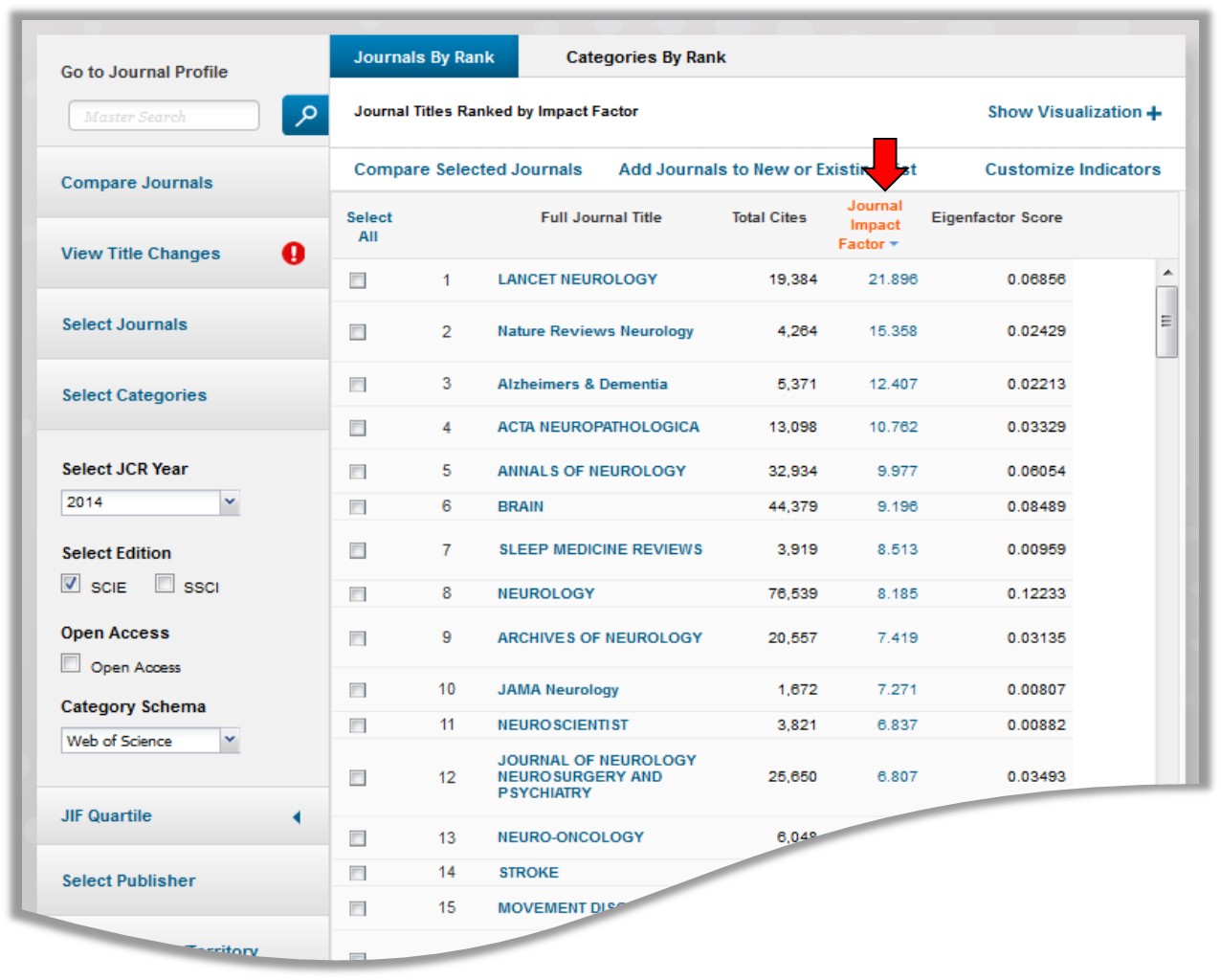
Journal rankings play a significant role in academic publishing, helping researchers and institutions assess the impact and quality of scholarly publications. These rankings are used to evaluate the prestige and influence of journals within specific fields of study.
There are several widely recognized systems for ranking academic journals, such as the Journal Citation Reports (JCR) by Clarivate Analytics and Scimago Journal Rank (SJR). These rankings are based on various factors, including citation counts, journal reputation, and impact factor.
The impact factor is a key metric used to determine the importance of a journal within its field. It measures the average number of citations received by articles published in the journal during a specific time period. Journals with higher impact factors are generally considered more prestigious and influential.
It is important for researchers to consider journal rankings when choosing where to publish their work. Publishing in high-ranking journals can enhance visibility, credibility, and academic recognition. However, it is also essential to ensure that the chosen journal aligns with the scope and audience of the research.
While journal rankings provide valuable guidance, they should not be the sole criteria for evaluating the quality of research or publications. Researchers should also consider factors such as relevance to their field, editorial policies, peer-review process, and ethical standards when selecting a journal for publication.
In conclusion, understanding journal rankings is crucial for researchers navigating the academic publishing landscape. By considering these rankings alongside other important factors, scholars can make informed decisions about where to publish their work and contribute meaningfully to their respective fields of study.
Guidelines for Evaluating Journal Rankings: Six Essential Tips
- Consider the journal’s impact factor and ranking within its subject category.
- Look for journals indexed in reputable databases like Web of Science or Scopus.
- Check the journal’s publication frequency and editorial board members.
- Evaluate the journal’s peer-review process and publication ethics standards.
- Consider the visibility and accessibility of the journal to your target audience.
- Seek advice from colleagues or mentors familiar with publishing in your field.
Consider the journal’s impact factor and ranking within its subject category.
When evaluating journal rankings, it is essential to consider the journal’s impact factor and its ranking within its subject category. The impact factor reflects the average number of citations received by articles published in the journal, indicating its influence and prestige within the academic community. Additionally, understanding where a journal stands within its subject category provides valuable insight into its relevance and standing among peers in the same field of study. By taking into account both the impact factor and subject category ranking, researchers can make informed decisions about where to publish their work to maximise visibility and academic impact.
Look for journals indexed in reputable databases like Web of Science or Scopus.
When considering journal rankings, it is advisable to seek out publications that are indexed in reputable databases such as Web of Science or Scopus. Journals indexed in these databases undergo rigorous evaluation processes and are considered reliable sources of scholarly information. Being included in such prestigious databases can enhance the visibility and credibility of a journal, making it a favourable choice for researchers looking to publish their work in high-impact outlets.
Check the journal’s publication frequency and editorial board members.
When assessing journal rankings, it is advisable to check the publication frequency and editorial board members of the journal. The publication frequency can give insights into the journal’s consistency and timeliness in disseminating research. Journals that publish regularly may indicate a commitment to staying current in the field. Additionally, examining the editorial board members can provide an understanding of the expertise and reputation of those overseeing the publication process. A diverse and reputable editorial board can enhance the credibility and quality of a journal, making it a valuable consideration for researchers looking to publish their work.
Evaluate the journal’s peer-review process and publication ethics standards.
When considering journal rankings, it is crucial to evaluate the journal’s peer-review process and publication ethics standards. A rigorous peer-review process ensures that submitted articles are thoroughly evaluated by experts in the field, maintaining the quality and credibility of the publication. Additionally, adherence to high publication ethics standards, such as transparency, integrity, and avoiding plagiarism or conflicts of interest, is essential for upholding the integrity of scholarly research. By prioritising journals with robust peer-review processes and stringent ethical guidelines, researchers can ensure that their work is published in reputable and trustworthy outlets within their academic community.
Consider the visibility and accessibility of the journal to your target audience.
When assessing journal rankings, it is essential to consider the visibility and accessibility of the journal to your target audience. Publishing in a journal that is easily accessible and well-known within your research community can significantly impact the reach and influence of your work. Ensuring that your research is published in a journal that resonates with your intended audience can enhance the dissemination of your findings and increase the likelihood of engagement and collaboration within your academic field.
Seek advice from colleagues or mentors familiar with publishing in your field.
Seeking advice from colleagues or mentors who are well-versed in publishing within your specific field can be invaluable when navigating the complexities of journal rankings. Their experience and insights can provide guidance on selecting reputable journals that align with your research goals and target audience. By consulting with knowledgeable individuals in your academic circle, you can make informed decisions about where to submit your work, increasing the likelihood of reaching the right audience and enhancing the impact of your research within the scholarly community.