
Unveiling the Marvels of Nature Genetics in the British Landscape
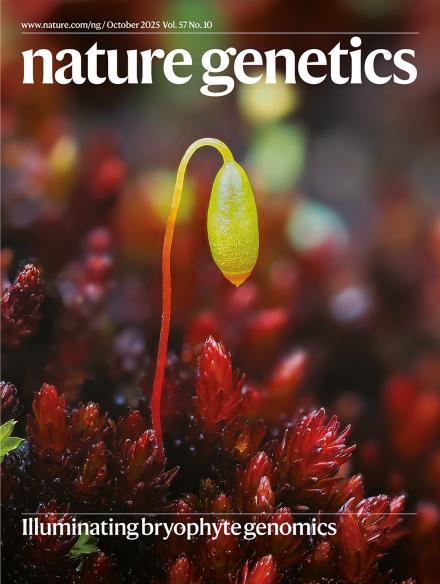
The Fascinating World of Nature Genetics
Genetics is a field that holds the key to understanding the fundamental building blocks of life. When we delve into the intricate world of nature genetics, we uncover a treasure trove of information that shapes the living organisms around us.
The Role of Genetics in Nature
Nature genetics refers to the genetic makeup and hereditary traits present in all living organisms, from plants and animals to microorganisms. These genetic codes dictate various characteristics such as eye color, height, susceptibility to diseases, and much more.
The Diversity of Genetic Information
Within the realm of nature genetics, we encounter a vast array of genetic information that contributes to the biodiversity seen in ecosystems worldwide. Each species carries its unique genetic blueprint, allowing for adaptation and evolution over time.
Genetic Research and Conservation Efforts
Scientists and researchers dedicated to nature genetics play a crucial role in studying and preserving genetic diversity in endangered species. By understanding the genetic makeup of these species, conservationists can develop strategies to protect them from extinction.
Applications in Agriculture and Medicine
Advancements in nature genetics have revolutionized fields such as agriculture and medicine. Genetic engineering techniques enable scientists to enhance crop yield, develop disease-resistant plants, and even create genetically modified organisms for medical purposes.
The Future of Nature Genetics
As technology continues to advance, our understanding of nature genetics will deepen, unlocking new possibilities for sustainable living, improved healthcare, and environmental conservation. The study of nature genetics holds immense potential for shaping a better future for all living beings on our planet.
Exploring the Impact and Importance of Nature Genetics: Key Questions Answered
- What is nature genetics?
- How does genetics influence the traits of living organisms in nature?
- Why is genetic diversity important in nature?
- What role do scientists play in studying nature genetics?
- How are genetic research and conservation efforts connected in the context of nature genetics?
- What are the applications of nature genetics in agriculture?
- How does nature genetics contribute to advancements in medicine?
- What does the future hold for research and discoveries in the field of nature genetics?
What is nature genetics?
Nature genetics refers to the study of genetic information and hereditary traits present in all living organisms, encompassing plants, animals, and microorganisms. It delves into the intricate genetic codes that govern various characteristics such as physical attributes, susceptibility to diseases, and evolutionary adaptations within different species. By exploring nature genetics, scientists gain valuable insights into the diversity of genetic information that underpins the biodiversity seen in ecosystems worldwide. This field plays a pivotal role in understanding how genes shape the natural world and influence the survival and evolution of species over time.
How does genetics influence the traits of living organisms in nature?
Genetics plays a fundamental role in shaping the traits of living organisms in nature. The genetic information encoded in an organism’s DNA determines various characteristics, such as physical appearance, behaviour, and susceptibility to diseases. Through the process of inheritance, genetic traits are passed down from one generation to the next, contributing to the diversity and adaptation of species in their natural environments. Genetic variations arising from mutations and genetic recombination further drive evolution and the development of unique traits that enable organisms to thrive in their specific habitats. Understanding how genetics influences these traits is essential for unravelling the complexities of nature and appreciating the intricate mechanisms that govern life on Earth.
Why is genetic diversity important in nature?
Genetic diversity plays a vital role in nature for several reasons. Firstly, it enhances the resilience of species to environmental changes and challenges. A diverse gene pool increases the likelihood that some individuals within a population will possess traits that enable them to adapt and survive in varying conditions. Additionally, genetic diversity is crucial for ecosystem stability and functioning. Different genetic variations contribute to the overall health and productivity of ecosystems, supporting essential processes such as nutrient cycling, pest control, and pollination. Moreover, genetic diversity serves as a foundation for evolutionary processes, driving species adaptation and speciation over time. In essence, preserving genetic diversity in nature is essential for the long-term survival and sustainability of ecosystems and the species within them.
What role do scientists play in studying nature genetics?
Scientists play a pivotal role in studying nature genetics by delving into the intricate genetic makeup of living organisms to unravel the mysteries of hereditary traits and genetic diversity. Through rigorous research and experimentation, scientists aim to decode the genetic codes that underpin the characteristics and behaviours of species in the natural world. By applying cutting-edge technologies and analytical tools, scientists can uncover valuable insights into how genes influence adaptation, evolution, and biodiversity. Their work not only advances our understanding of nature genetics but also informs conservation efforts, agricultural practices, and medical innovations for the benefit of both humans and the environment.
How are genetic research and conservation efforts connected in the context of nature genetics?
Genetic research and conservation efforts are intricately connected in the context of nature genetics. Scientists and researchers utilise genetic studies to understand the genetic diversity within species, which is crucial for effective conservation strategies. By analysing the genetic makeup of endangered species, conservationists can identify unique traits, assess population health, and develop targeted conservation plans to preserve genetic diversity and prevent extinction. Genetic research provides valuable insights that guide conservation efforts, helping to safeguard biodiversity and ensure the long-term survival of vulnerable species in their natural habitats.
What are the applications of nature genetics in agriculture?
Nature genetics plays a vital role in agriculture, offering a myriad of applications that have revolutionized the way we cultivate crops and raise livestock. By harnessing genetic information, scientists can develop crop varieties that are more resilient to pests, diseases, and environmental stresses. This leads to increased crop yields, improved food security, and sustainable farming practices. Additionally, nature genetics enables the breeding of livestock with desirable traits such as higher milk production or disease resistance. Through genetic engineering techniques, agricultural researchers can create genetically modified organisms that offer enhanced nutritional value or reduced environmental impact. The applications of nature genetics in agriculture hold great promise for addressing global food challenges and ensuring a more efficient and sustainable agricultural sector.
How does nature genetics contribute to advancements in medicine?
Nature genetics plays a pivotal role in driving advancements in medicine by providing valuable insights into the genetic factors that underlie various diseases and conditions. Through the study of nature genetics, researchers can identify genetic mutations associated with specific illnesses, paving the way for more accurate diagnosis, personalized treatment options, and targeted therapies. By understanding how genes influence health and disease, medical professionals can develop innovative approaches to managing conditions, predicting risk factors, and even preventing certain disorders altogether. Nature genetics continues to be a cornerstone of medical research, offering a pathway towards more effective and tailored healthcare solutions for individuals worldwide.
What does the future hold for research and discoveries in the field of nature genetics?
The future of research and discoveries in the field of nature genetics holds immense promise and potential. As technology continues to advance at a rapid pace, scientists and researchers are poised to unravel even more mysteries hidden within the genetic codes of living organisms. From understanding complex genetic interactions to developing innovative solutions for conservation and healthcare, the trajectory of nature genetics research is set to revolutionize our understanding of the natural world. With a focus on sustainability, biodiversity, and genetic diversity, the future of nature genetics research offers exciting opportunities to shape a more resilient and interconnected ecosystem for generations to come.