
Understanding the Impact of Noise Levels on Health and Well-being
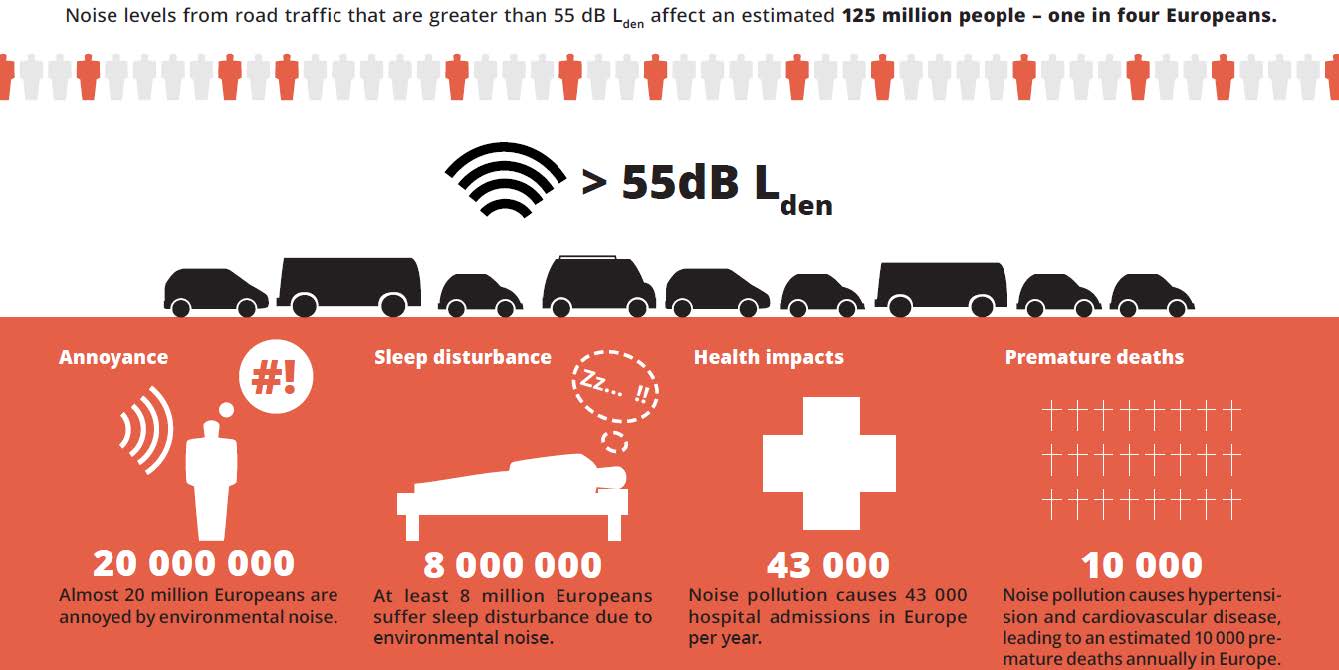
The Impact of Noise Levels on Health and Well-being
Noise is all around us, from the bustling streets of the city to the hum of household appliances. While some noise is inevitable and even necessary in our daily lives, excessive noise levels can have a detrimental impact on our health and well-being.
Health Effects of High Noise Levels
Research has shown that prolonged exposure to high noise levels can lead to a range of health issues. These may include:
- Hearing loss: Continuous exposure to loud noises can damage the delicate structures in our ears, leading to hearing impairment.
- Stress and anxiety: Loud noises trigger the body’s stress response, leading to increased levels of stress hormones and feelings of anxiety.
- Sleep disturbances: Noise can disrupt sleep patterns, leading to insomnia and fatigue.
- Cardiovascular problems: High noise levels have been linked to an increased risk of hypertension, heart disease, and stroke.
Reducing Noise Pollution
There are several ways to reduce noise pollution in our environments:
- Use soundproofing materials in buildings to minimise noise transmission.
- Avoid unnecessary honking or loud music in public spaces.
- Plant trees and shrubs to create natural barriers that absorb sound.
- Implement noise regulations and guidelines in urban planning and construction projects.
Protecting Your Hearing
To protect your hearing from excessive noise exposure, consider the following tips:
- Use earplugs or earmuffs in noisy environments like concerts or construction sites.
- Avoid listening to music at high volumes through headphones or earphones.
- Take regular breaks from noisy environments to give your ears a rest.
- Get regular hearing check-ups to monitor any changes in your hearing ability.
In conclusion, being mindful of noise levels in our surroundings is crucial for maintaining good health and well-being. By taking steps to reduce noise pollution and protect our hearing, we can create quieter and healthier environments for ourselves and future generations.
Five Benefits of Managing Noise Levels for Enhanced Well-being and Productivity
- Maintaining appropriate noise levels can improve concentration and productivity in work or study environments.
- Low noise levels promote better quality sleep, leading to improved rest and overall well-being.
- Reducing noise pollution can enhance the enjoyment of outdoor spaces and recreational activities.
- Moderate background noise has been found to increase creativity and cognitive function in some individuals.
- Maintaining a quiet environment can reduce stress levels and promote relaxation for better mental health.
Five Detrimental Effects of Noise Pollution on Health and Wellbeing
- Noise pollution can lead to increased stress levels and anxiety.
- Exposure to high noise levels can disrupt sleep patterns and cause insomnia.
- Prolonged exposure to loud noises can result in hearing loss or impairment.
- High noise levels in urban areas can contribute to cardiovascular problems like hypertension.
- Noise pollution may affect concentration and productivity, especially in work or study environments.
Maintaining appropriate noise levels can improve concentration and productivity in work or study environments.
Maintaining appropriate noise levels can significantly enhance concentration and productivity in work or study environments. Research has shown that a moderate level of background noise, such as ambient sounds or white noise, can actually help individuals focus better on tasks by masking distracting noises and creating a consistent auditory environment. By ensuring that noise levels are conducive to concentration, individuals can experience improved cognitive performance, better information retention, and increased efficiency in completing tasks. Creating a balanced acoustic environment is essential for fostering a conducive workspace that promotes optimal focus and productivity.
Low noise levels promote better quality sleep, leading to improved rest and overall well-being.
Low noise levels play a crucial role in promoting better quality sleep, which is essential for overall well-being. When our sleeping environment is free from disruptive noises, we are more likely to experience deeper and more restful sleep. This improved rest not only enhances our physical health but also contributes to better cognitive function, mood regulation, and overall quality of life. By creating a peaceful and quiet sleep environment, individuals can enjoy the benefits of rejuvenating sleep and wake up feeling refreshed and ready to tackle the day ahead.
Reducing noise pollution can enhance the enjoyment of outdoor spaces and recreational activities.
Reducing noise pollution can significantly enhance the enjoyment of outdoor spaces and recreational activities. By creating quieter environments, individuals can better connect with nature, engage in outdoor sports and leisure activities, or simply relax and unwind without the disturbances of excessive noise. Whether it’s a peaceful hike in the countryside, a picnic in the park, or a yoga session by the beach, lower noise levels allow people to fully immerse themselves in their surroundings and experience a greater sense of tranquillity and well-being.
Moderate background noise has been found to increase creativity and cognitive function in some individuals.
Moderate background noise has been shown to have a positive impact on creativity and cognitive function in certain individuals. Research suggests that a moderate level of ambient noise can enhance concentration, stimulate creative thinking, and improve cognitive performance in tasks that require problem-solving and idea generation. This phenomenon, known as the “beneficial effects of noise,” highlights the potential benefits of a controlled auditory environment in fostering productivity and innovation among individuals who thrive in such conditions.
Maintaining a quiet environment can reduce stress levels and promote relaxation for better mental health.
Maintaining a quiet environment can have a profound positive impact on our well-being, particularly when it comes to reducing stress levels and promoting relaxation for better mental health. In a serene and noise-free space, individuals can find solace and peace, allowing their minds to unwind and rejuvenate. The absence of disruptive noises enables one to focus, meditate, or simply enjoy moments of tranquillity, ultimately leading to improved mental clarity and emotional balance. Embracing quietness as a valuable asset in our environments can significantly enhance our overall quality of life and contribute to a healthier mindset.
Noise pollution can lead to increased stress levels and anxiety.
Excessive noise levels, commonly known as noise pollution, can significantly contribute to heightened stress levels and anxiety among individuals. The constant exposure to loud and disruptive sounds can trigger the body’s stress response, leading to an increase in stress hormones and feelings of anxiety. This ongoing state of heightened alertness and discomfort due to noise can have a detrimental impact on mental well-being, potentially affecting one’s overall quality of life and ability to cope with daily challenges. It is essential to address and mitigate noise pollution to create calmer and more peaceful environments conducive to better mental health.
Exposure to high noise levels can disrupt sleep patterns and cause insomnia.
Exposure to high noise levels poses a significant con as it can disrupt sleep patterns and lead to insomnia. The presence of loud and persistent noises during the night can prevent individuals from falling asleep or cause frequent awakenings, resulting in a lack of restful sleep. Insomnia, a common consequence of prolonged exposure to excessive noise, not only affects one’s ability to function optimally during the day but also poses risks to overall health and well-being. It is essential to address noise pollution to create a conducive environment for quality sleep and promote better health outcomes.
Prolonged exposure to loud noises can result in hearing loss or impairment.
Prolonged exposure to loud noises poses a significant risk of hearing loss or impairment. The delicate structures in our ears can be irreversibly damaged by continuous exposure to high noise levels, leading to difficulties in hearing and communication. This con of noise levels highlights the importance of taking proactive measures to protect our hearing health, such as using ear protection in noisy environments and advocating for quieter living and working spaces. Prioritising ear safety is essential in safeguarding our auditory well-being and overall quality of life.
High noise levels in urban areas can contribute to cardiovascular problems like hypertension.
High noise levels in urban areas can pose a significant health risk by contributing to cardiovascular problems such as hypertension. Prolonged exposure to loud noises in cities can lead to elevated stress levels, which in turn may increase the risk of developing hypertension and other related cardiovascular conditions. This con highlights the importance of addressing noise pollution in urban environments to safeguard the heart health of residents and promote overall well-being.
Noise pollution may affect concentration and productivity, especially in work or study environments.
Excessive noise levels, known as noise pollution, can significantly impact concentration and productivity, particularly in work or study environments. Constant exposure to loud or disruptive noises can make it challenging for individuals to focus on tasks, leading to decreased efficiency and performance. In a busy office or classroom setting where concentration is key, high levels of noise can disrupt workflow, hinder information retention, and ultimately hamper productivity. Finding ways to mitigate noise pollution in these environments is essential for creating conducive spaces that support optimal concentration and performance.