
Exploring the Depths: Unveiling Insights Through Qualitative Methods
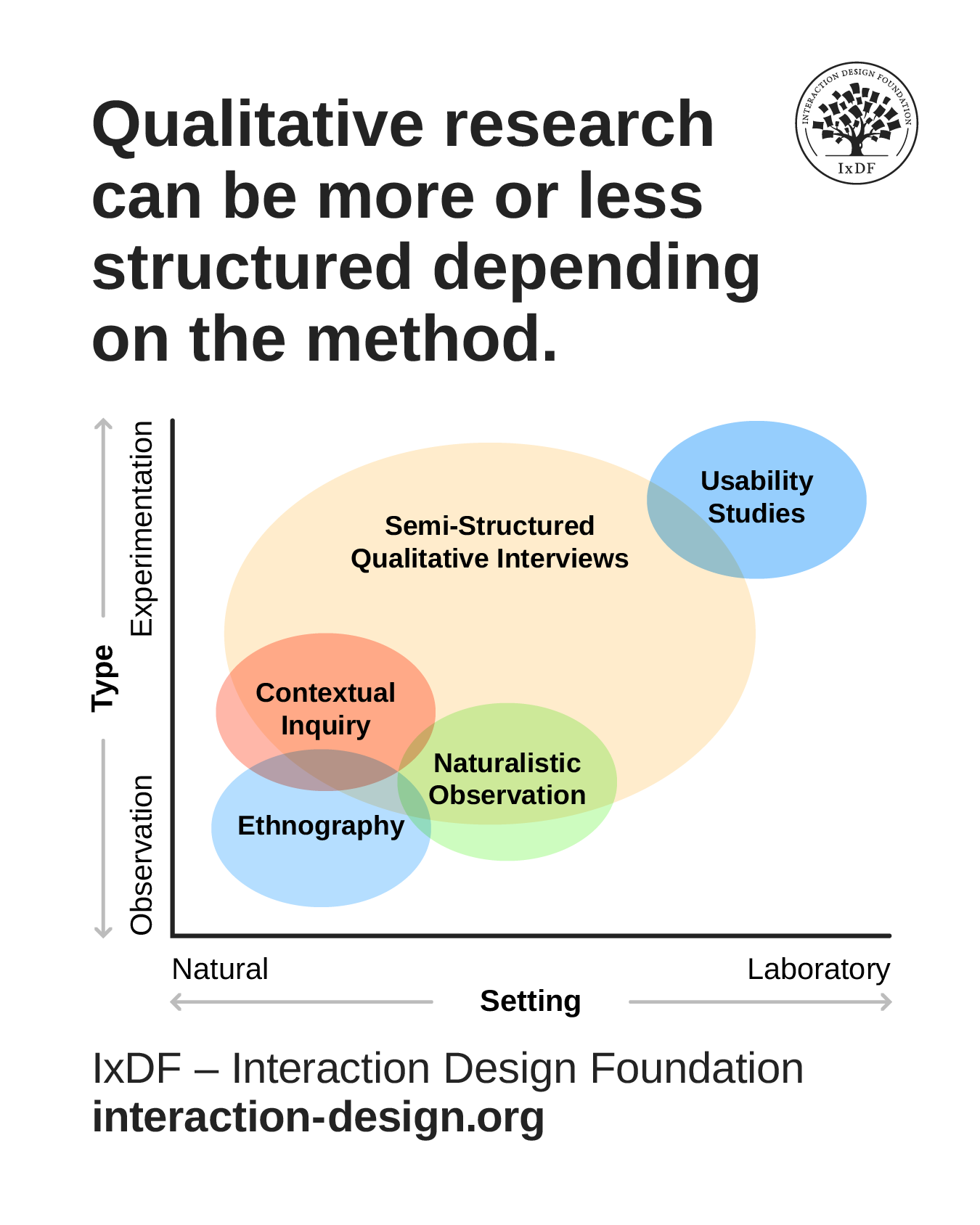
The Power of Qualitative Research Methods
Qualitative research methods play a crucial role in gaining deeper insights into complex phenomena that quantitative methods alone may not fully capture. Unlike quantitative methods that focus on numerical data and statistical analysis, qualitative methods delve into the richness and nuances of human experiences, behaviours, and perceptions.
One of the key strengths of qualitative research is its ability to uncover underlying motivations, beliefs, and attitudes through techniques such as interviews, focus groups, observations, and content analysis. By engaging directly with participants and immersing in their world, researchers can generate rich and contextually relevant data.
Qualitative research is particularly valuable in exploratory studies where the aim is to understand a phenomenon in-depth or when studying topics that are difficult to quantify or measure precisely. It allows researchers to capture the complexity and diversity of human experiences, providing a holistic view that quantitative data alone may not convey.
Furthermore, qualitative research methods are flexible and adaptive, allowing researchers to adjust their approach based on emerging insights or unexpected findings. This flexibility enables researchers to explore new avenues of inquiry and adapt their methods to better suit the research context.
Despite its strengths, qualitative research also poses challenges such as subjectivity, potential bias, and the time-intensive nature of data collection and analysis. Researchers must be vigilant in ensuring rigour and transparency throughout the research process to maintain credibility and reliability.
In conclusion, qualitative research methods offer a powerful toolkit for exploring complex phenomena, understanding human behaviour, and generating rich insights that can inform policy-making, practice, and further research. When used thoughtfully and rigorously, qualitative methods have the potential to deepen our understanding of the world around us in meaningful ways.
Six Essential Tips for Conducting Effective Qualitative Research
- Ensure your research questions are clear and focused to guide your qualitative study.
- Select appropriate data collection methods such as interviews, focus groups, or observations.
- Maintain detailed and accurate records of your data collection process for transparency and credibility.
- Use systematic coding and analysis techniques to identify patterns and themes in your qualitative data.
- Consider member checking or peer debriefing to validate the interpretations of your findings.
- Write rich, descriptive narratives to convey the nuances and insights uncovered in your qualitative research.
Ensure your research questions are clear and focused to guide your qualitative study.
To conduct a successful qualitative study, it is essential to ensure that your research questions are clear and focused. Clear research questions serve as a roadmap for your study, guiding the direction of your inquiry and helping you stay on track throughout the research process. By defining specific and focused research questions, you can effectively narrow down the scope of your study, identify key themes or concepts to explore, and ensure that your data collection and analysis efforts are purposeful and aligned with your research objectives. Clarity and focus in your research questions also help to enhance the quality and rigour of your qualitative study, leading to more meaningful insights and valuable contributions to the existing body of knowledge in your field.
Select appropriate data collection methods such as interviews, focus groups, or observations.
When employing qualitative research methods, it is essential to carefully choose appropriate data collection techniques to effectively capture the depth and nuances of human experiences and perceptions. Selecting methods such as interviews, focus groups, or observations allows researchers to directly engage with participants, gather rich qualitative data, and gain valuable insights into the complexities of the research topic. Each method offers unique advantages in exploring different aspects of the phenomenon under study, enabling researchers to collect diverse perspectives and generate in-depth understanding. By selecting the most suitable data collection methods, researchers can enhance the quality and relevance of their qualitative research findings.
Maintain detailed and accurate records of your data collection process for transparency and credibility.
It is essential to maintain detailed and accurate records of your data collection process when using qualitative research methods. By documenting each step thoroughly, from participant recruitment to data analysis, you ensure transparency and credibility in your research. These records provide a clear trail of how the data was collected, interpreted, and analysed, allowing other researchers to follow your process and verify the validity of your findings. Transparent documentation also helps in addressing any potential biases or errors that may arise during the research process, ultimately enhancing the trustworthiness and reliability of your study results.
Use systematic coding and analysis techniques to identify patterns and themes in your qualitative data.
Using systematic coding and analysis techniques is essential in qualitative research to effectively identify patterns and themes within the collected data. By applying a structured approach to coding, researchers can organise and categorise the data, making it easier to uncover meaningful insights and connections. Through systematic analysis, researchers can identify recurring themes, relationships, and trends that provide a deeper understanding of the research topic. This methodical approach ensures that the qualitative data is thoroughly examined, leading to robust findings and enriching the overall research outcomes.
Consider member checking or peer debriefing to validate the interpretations of your findings.
In qualitative research, it is essential to consider member checking or peer debriefing as valuable strategies to validate the interpretations of your findings. Member checking involves sharing your findings with participants to ensure that their perspectives and experiences have been accurately represented in the analysis. This process not only enhances the credibility and trustworthiness of your research but also provides an opportunity for participants to confirm or offer additional insights. Peer debriefing, on the other hand, involves seeking feedback from colleagues or experts in the field to critically examine your interpretations and conclusions. By incorporating these validation techniques into your research process, you can strengthen the robustness of your findings and enhance the overall quality of your study.
Write rich, descriptive narratives to convey the nuances and insights uncovered in your qualitative research.
In qualitative research, it is essential to write rich, descriptive narratives that vividly convey the nuances and insights uncovered during the research process. By crafting detailed and evocative narratives, researchers can effectively capture the complexity of human experiences, behaviours, and perceptions. These narratives not only provide depth and context to the findings but also allow readers to immerse themselves in the research outcomes, gaining a deeper understanding of the phenomena under study. Through compelling storytelling and detailed descriptions, researchers can bring to life the richness of their qualitative data, making it more engaging and impactful for both academic audiences and wider communities.