
Explore Social Science Courses: Subjects, Skills and Career Opportunities
Social Science Courses: Understanding People and Society
Social science courses explore how people behave, how communities function and how societies change. They examine the forces that shape everyday life, from family relationships and education to politics, economics and culture. Whether you are interested in people, public policy or social change, studying the social sciences can help you make sense of the world around you.
What are the social sciences?
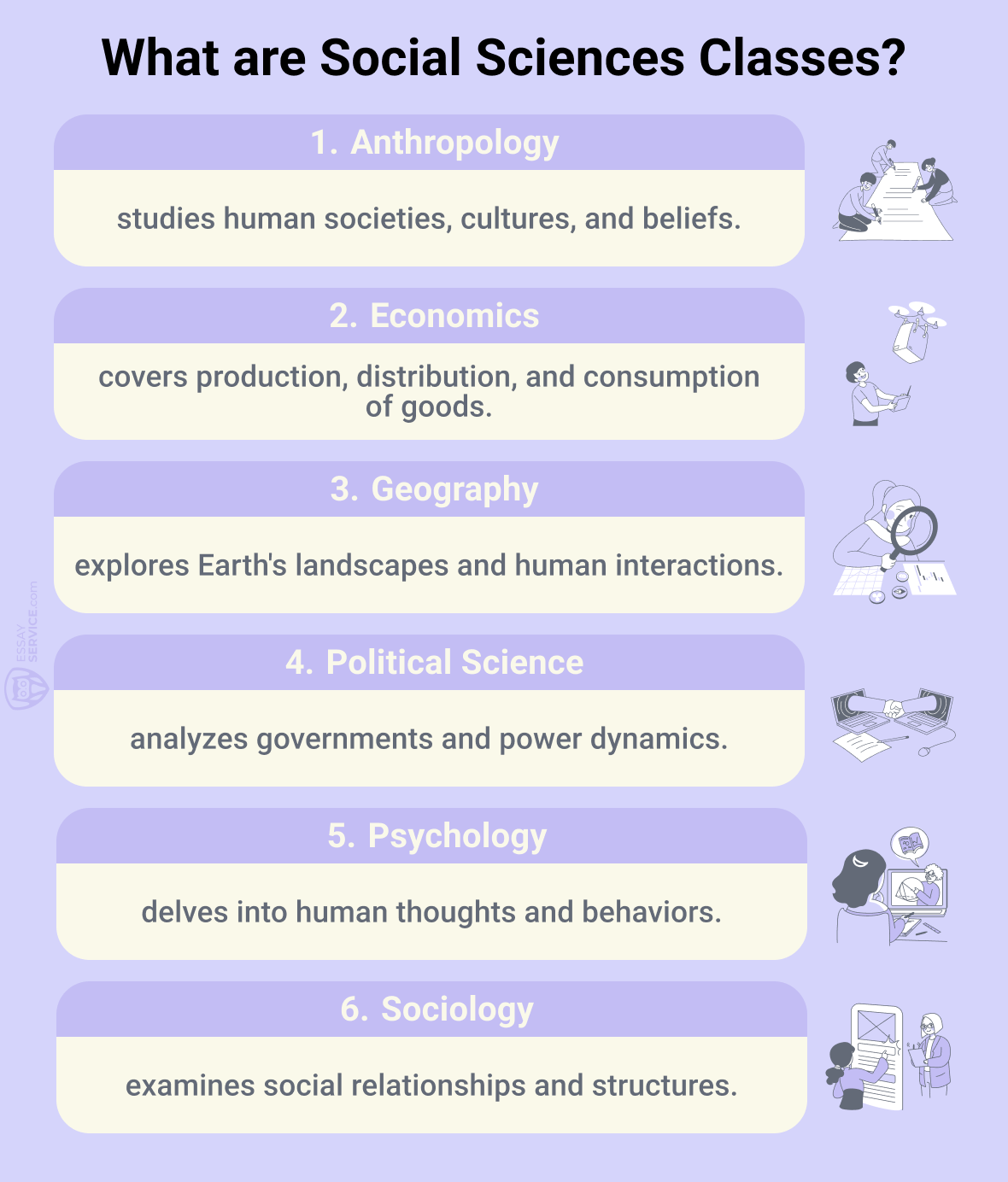
The social sciences are a group of academic disciplines concerned with human society and relationships. Courses may focus on one subject or bring together several perspectives. Common areas of study include:
- Sociology: social groups, institutions, inequality and social change
- Psychology: behaviour, thought, emotions and development
- Politics: governments, power, public policy and international relations
- Economics: how people, businesses and governments make choices about resources
- Anthropology: human cultures, communities and ways of life
- Geography: relationships between people, places and the environment
- Social policy: how public services and policies affect people’s lives
What might a course cover?
Course content varies by subject and level, but students often explore topics such as social identity, migration, poverty, crime, health, education, work and the role of the state. They may also learn how social scientists gather and interpret evidence.
Research methods are an important part of many courses. Students might examine statistics, analyse documents, conduct interviews or design surveys. This helps them assess claims carefully and understand the strengths and limitations of different types of evidence.
Skills developed through social science study
Social science courses can help students build skills that are useful in many areas of work and further study. These may include:
- critical thinking and evaluating evidence
- research, data handling and analysis
- clear writing and presenting ideas
- understanding different perspectives
- problem-solving and informed decision-making
Study options
Social science subjects are available at different stages of education, from introductory and access courses to undergraduate and postgraduate degrees. Some courses focus on a single discipline, while others combine subjects, such as sociology and politics or psychology and criminology.
Depending on the provider, study may be full-time, part-time, online or in person. Course structures, entry requirements and assessment methods differ, so it is worth checking the details before applying.
Where can social science courses lead?
Social science graduates work in a wide range of fields. Possible areas include public services, education, research, charities, local government, human resources, communications and community development. Some roles require additional training or professional qualifications, so check the requirements for any career you are considering.
The value of a social science qualification is not limited to a particular job title. The ability to understand people, interpret information and communicate clearly can be useful across many professions.
Choosing the right course
Start by thinking about the questions and issues that interest you most. Compare course content, teaching methods, practical opportunities and assessment styles. You may also want to consider whether the course includes research projects, work placements or opportunities to study more than one subject.
Social science courses offer a structured way to explore how individuals and societies shape one another. By combining curiosity with research and critical analysis, students can develop a deeper understanding of contemporary issues and the skills to engage with them thoughtfully.
8 Essential Tips for Navigating Social Science Courses Successfully
- Compare course modules before applying.
- Check entry requirements carefully.
- Explore careers linked to each subject.
- Practise analysing data and evidence.
- Read widely beyond your set texts.
- Join discussions and share ideas.
- Look for research or placement opportunities.
- Keep track of application deadlines.
Compare course modules before applying.
Before applying for a social science course, compare the modules offered by each university or college. Course titles can sound similar, but the topics, teaching approaches and opportunities for practical research may differ. Check which modules are compulsory and which are optional, and consider whether they match your interests and future goals. This can help you choose a course that suits the subjects you are keen to explore.
Check entry requirements carefully.
Check the entry requirements carefully before applying for a social science course. Universities and colleges may ask for specific qualifications, grades or prior subjects, while some courses may also require relevant experience or an interview. If anything is unclear, contact the course provider to confirm what is needed and whether equivalent qualifications are accepted.
Explore careers linked to each subject.
Explore the careers linked to each social science subject before choosing a course. Sociology, psychology, politics, economics and geography can each lead to different kinds of work, from community development and public policy to research, education and business. Look at the roles that interest you and check what qualifications or experience they require. This can help you choose a course whose subjects, practical opportunities and further-study options fit your goals.
Practise analysing data and evidence.
Practise analysing data and evidence to build a core social science skill. Read charts, survey results and research findings carefully, and ask who collected the information, how it was gathered and whether it supports the conclusions being drawn. Comparing different sources can help you spot patterns, recognise limitations and form balanced arguments.
Read widely beyond your set texts.
Read widely beyond your set texts to deepen your understanding of social science topics and encounter a range of viewpoints. Books, journal articles, reports, reliable news sources and podcasts can introduce new evidence and challenge assumptions. As you read, consider who produced the material, what perspective it presents and how it relates to ideas covered in your course. This habit will strengthen your critical thinking and give you a broader foundation for discussions and assignments.
Join discussions and share ideas.
Joining discussions and sharing your ideas can deepen your understanding of social science topics. Listening to different viewpoints helps you question assumptions, consider fresh perspectives and see how theories relate to real-life issues. Whether in seminars, study groups or online forums, contribute respectfully, support your points with evidence and stay open to changing your mind.
Look for research or placement opportunities.
Look for courses that offer research projects or placement opportunities, as these can help you apply classroom learning to real-world questions and settings. Taking part in a study, working with a community organisation or gaining experience in a relevant workplace can strengthen your research, communication and problem-solving skills. Check what support is available, whether placements are guaranteed, and how they fit into the course before you apply.
Keep track of application deadlines.
Keep track of application deadlines when exploring social science courses, as dates can vary between universities and programmes. Note key deadlines for applications, funding and any required documents, and allow plenty of time to prepare personal statements, references or portfolios. A calendar reminder can help you stay organised and avoid missing an opportunity.