
Exploring Different Types of Study Design Approaches
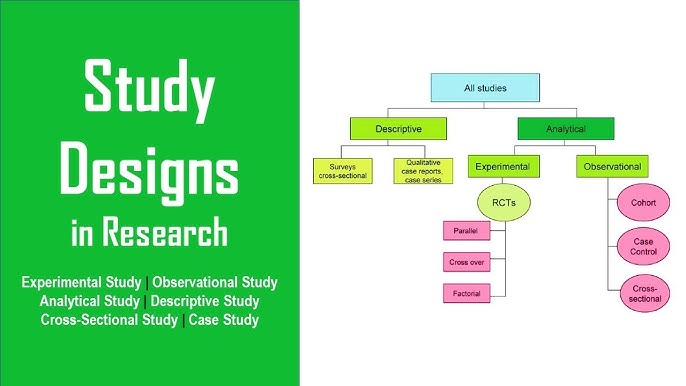
Understanding Different Types of Study Designs
Research studies play a crucial role in advancing knowledge and understanding in various fields. One key aspect of any research study is its design, which outlines the structure and methodology used to investigate a particular research question. There are several types of study designs, each with its own strengths and limitations. Let’s explore some common study design types:
Observational Studies
Observational studies involve observing and collecting data on participants without intervening or manipulating any variables. These studies are useful for exploring associations between variables but do not establish causation.
Experimental Studies
In experimental studies, researchers actively manipulate one or more variables to observe the effect on another variable. These studies are designed to establish cause-and-effect relationships between variables.
Cross-Sectional Studies
Cross-sectional studies collect data from a specific population at a single point in time. They provide a snapshot of the prevalence of certain characteristics or conditions within the population but do not track changes over time.
Longitudinal Studies
Longitudinal studies follow participants over an extended period to observe changes or trends over time. These studies are valuable for examining how variables evolve and interact with each other.
Case-Control Studies
In case-control studies, researchers compare individuals with a particular condition (cases) to those without the condition (controls) to identify potential risk factors associated with the condition.
Cohort Studies
Cohort studies follow a group of individuals (cohort) with shared characteristics or experiences over time to assess how these factors influence outcomes. They can help establish causal relationships and identify risk factors.
In Conclusion
Choosing the right study design is essential for conducting rigorous and meaningful research. Each type of study design has its own strengths and weaknesses, and researchers must carefully consider their research questions, objectives, and resources when selecting a design for their study.
8 Essential Tips for Selecting the Right Study Design
- Understand the research question before choosing a study design.
- Consider the strengths and limitations of each study design type.
- Choose a study design that aligns with your research objectives.
- Ensure the selected study design is feasible within your resources and timeframe.
- Be aware of potential biases associated with different study designs.
- Consult with experienced researchers or methodologists when selecting a study design.
- Pilot test your chosen study design to identify and address any practical issues.
- Document your rationale for choosing a specific study design in your research proposal or report.
Understand the research question before choosing a study design.
It is essential to thoroughly understand the research question before selecting a study design. The choice of study design should align with the specific objectives of the research and the type of data needed to address the research question effectively. By clarifying the research question first, researchers can ensure that the selected study design is appropriate for collecting relevant data, analysing relationships between variables, and drawing valid conclusions. This approach enhances the quality and reliability of research outcomes, ultimately contributing to advancements in knowledge and understanding within the field.
Consider the strengths and limitations of each study design type.
When planning a research study, it is crucial to consider the strengths and limitations of each study design type. Understanding the unique characteristics of observational studies, experimental studies, cross-sectional studies, longitudinal studies, case-control studies, and cohort studies can help researchers make informed decisions about which design best suits their research question and objectives. By carefully assessing the strengths, such as the ability to establish causation in experimental studies or track changes over time in longitudinal studies, as well as the limitations, such as potential biases or confounding factors inherent in certain designs, researchers can ensure that their study is methodologically sound and capable of generating reliable and valid results.
Choose a study design that aligns with your research objectives.
When embarking on a research study, it is essential to select a study design that aligns closely with your research objectives. The choice of study design plays a pivotal role in determining the validity and reliability of your findings. By ensuring that your chosen design is well-suited to address your research questions and goals, you can enhance the quality and relevance of your study outcomes. Whether opting for an observational, experimental, cross-sectional, longitudinal, case-control, or cohort study design, aligning the design with your research objectives is key to conducting a successful and impactful investigation.
Ensure the selected study design is feasible within your resources and timeframe.
It is essential to ensure that the chosen study design is feasible within the constraints of your resources and timeframe. Conducting a study requires careful planning and consideration of factors such as budget, personnel, equipment, and time availability. By selecting a study design that aligns with your resources and timeframe, you can increase the likelihood of successfully executing the research project and obtaining meaningful results. Prioritising feasibility in study design selection helps to maximise efficiency and productivity while maintaining the quality and integrity of the research process.
Be aware of potential biases associated with different study designs.
When considering different study design types, it is crucial to be mindful of the potential biases that may be inherent to each approach. Various study designs have their own strengths and limitations, which can introduce biases that impact the validity and reliability of the research findings. By being aware of these potential biases associated with different study designs, researchers can take proactive measures to minimize or account for them, ultimately enhancing the quality and robustness of their research outcomes.
Consult with experienced researchers or methodologists when selecting a study design.
When embarking on a research project, it is highly advisable to consult with experienced researchers or methodologists when selecting a study design. Their expertise and guidance can provide valuable insights into choosing the most appropriate study design that aligns with your research objectives and ensures the validity and reliability of your findings. By seeking advice from seasoned professionals in the field, you can enhance the quality of your research and make informed decisions that will ultimately contribute to the success of your study.
Pilot test your chosen study design to identify and address any practical issues.
Before embarking on a full-scale research study, it is advisable to pilot test your chosen study design to uncover and resolve any practical issues that may arise. A pilot test allows researchers to evaluate the feasibility and effectiveness of their chosen methodology, identify potential challenges, and make necessary adjustments before committing to the main study. By conducting a pilot test, researchers can enhance the quality and reliability of their research outcomes by ensuring that the study design is well-suited to address the research question effectively.
Document your rationale for choosing a specific study design in your research proposal or report.
It is crucial to document the rationale behind selecting a specific study design in your research proposal or report. By clearly outlining the reasons for choosing a particular study design, you provide transparency and justification for your research methodology. This documentation not only helps establish the validity and reliability of your study but also enables others to understand the thought process behind your research approach. Additionally, documenting your rationale ensures that you have carefully considered the strengths and limitations of different study designs in relation to your research question, objectives, and resources, ultimately enhancing the credibility and robustness of your study findings.