
Advancing Healthcare Through Translational Research: Bridging Science and Practice
The Importance of Translational Research in Advancing Healthcare
Translational research plays a crucial role in bridging the gap between scientific discoveries and their practical applications in healthcare. It involves the process of turning findings from basic research into new therapies, diagnostic tools, and medical procedures that can improve patient outcomes and quality of life.
One of the key benefits of translational research is its ability to accelerate the pace at which scientific discoveries are translated into clinical practice. By bringing together researchers, clinicians, industry partners, and regulatory agencies, translational research facilitates the development and implementation of innovative healthcare solutions.
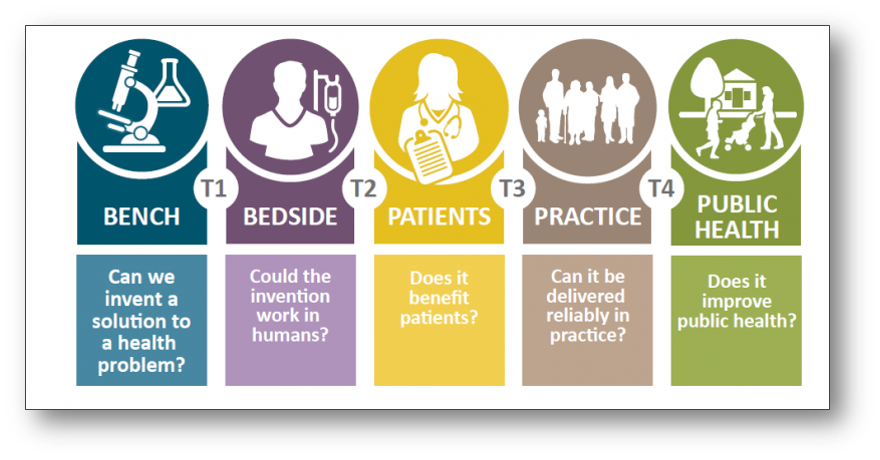
Translational research is often categorised into different stages or phases:
- Bench-to-Bedside (T1): This phase focuses on translating basic laboratory discoveries into potential clinical applications.
- Bedside-to-Practice (T2): In this phase, researchers work on implementing new interventions or treatments into clinical practice to evaluate their effectiveness.
- Practice-to-Population (T3): This phase involves studying how new interventions impact larger populations and communities.
- Population Health (T4): The final phase focuses on evaluating the long-term impact of healthcare interventions on public health outcomes.
Through translational research, healthcare professionals can identify gaps in current treatment approaches, develop personalised medicine strategies, and enhance patient care by tailoring treatments to individual needs. This approach not only leads to better patient outcomes but also contributes to more efficient healthcare delivery systems.
In conclusion, translational research is a vital component of advancing healthcare by translating scientific knowledge into tangible benefits for patients. By fostering collaboration across disciplines and sectors, translational research paves the way for innovative solutions that address unmet medical needs and improve the overall health and well-being of individuals and communities.
Seven Essential Tips for Success in Translational Research
- 1. Clearly define your research question and objectives.
- 2. Engage with stakeholders early on to ensure relevance and applicability of your research.
- 3. Consider the ethical implications of your research and adhere to ethical guidelines.
- 4. Collaborate with multidisciplinary teams to leverage diverse expertise.
- 5. Ensure effective communication between researchers, clinicians, and policymakers.
- 6. Secure funding through grant applications or partnerships with industry or non-profit organisations.
- 7. Publish and disseminate your findings in peer-reviewed journals to contribute to the scientific community.
1. Clearly define your research question and objectives.
In translational research, it is essential to start by clearly defining your research question and objectives. By establishing a precise and focused research question, you can ensure that your study remains purposeful and targeted throughout the various stages of translation. Clearly outlining your objectives helps guide the direction of your research efforts and enables effective communication of your goals to collaborators, funders, and stakeholders. This initial step sets the foundation for a successful translational research journey, ensuring that your work remains aligned with the ultimate goal of improving healthcare outcomes and advancing scientific knowledge.
2. Engage with stakeholders early on to ensure relevance and applicability of your research.
Engaging with stakeholders early in the translational research process is a critical tip to ensure the relevance and applicability of your research findings. By involving key stakeholders such as patients, clinicians, policymakers, industry partners, and community members from the outset, researchers can gain valuable insights into the real-world needs and challenges that their research aims to address. This collaborative approach not only enhances the quality of the research outcomes but also increases the likelihood of successful implementation and adoption of new healthcare interventions, ultimately leading to improved health outcomes for individuals and communities.
3. Consider the ethical implications of your research and adhere to ethical guidelines.
When engaging in translational research, it is essential to consider the ethical implications of your work and adhere strictly to ethical guidelines. By prioritising ethical considerations, researchers can ensure that their studies are conducted in a responsible and morally sound manner. This includes protecting the rights and welfare of research participants, maintaining confidentiality, obtaining informed consent, and upholding integrity throughout the research process. Adhering to ethical guidelines not only safeguards the well-being of individuals involved in the study but also upholds the credibility and trustworthiness of the research outcomes.
4. Collaborate with multidisciplinary teams to leverage diverse expertise.
To enhance the impact of translational research, it is essential to collaborate with multidisciplinary teams that bring together a diverse range of expertise and perspectives. By working with professionals from various fields such as medicine, biology, engineering, and social sciences, researchers can leverage different insights and skills to address complex healthcare challenges more effectively. This collaborative approach not only fosters innovation but also ensures that the findings from translational research are comprehensive and applicable across different disciplines, ultimately leading to more successful outcomes in improving patient care and advancing healthcare as a whole.
5. Ensure effective communication between researchers, clinicians, and policymakers.
Effective communication between researchers, clinicians, and policymakers is paramount in the realm of translational research. By fostering open and collaborative dialogue among these key stakeholders, valuable insights can be shared, priorities aligned, and decisions informed by the latest scientific evidence. This synergy not only accelerates the translation of research findings into practical applications but also ensures that healthcare policies and practices are evidence-based and responsive to the evolving needs of patients and communities. Clear communication channels facilitate the exchange of knowledge, ideas, and feedback, ultimately leading to more impactful outcomes in advancing healthcare through translational research.
6. Secure funding through grant applications or partnerships with industry or non-profit organisations.
To advance translational research effectively, securing funding through grant applications or establishing partnerships with industry or non-profit organisations is crucial. Funding plays a pivotal role in supporting the various stages of translational research, from initial discovery to clinical implementation. By obtaining financial support through grants or collaborations with external entities, researchers can access the resources needed to conduct studies, develop interventions, and ultimately translate scientific findings into practical healthcare solutions. This financial backing not only facilitates the progress of translational research projects but also enhances their impact by ensuring sustainability and scalability in addressing complex health challenges.
7. Publish and disseminate your findings in peer-reviewed journals to contribute to the scientific community.
To maximise the impact of your translational research efforts, it is essential to publish and disseminate your findings in peer-reviewed journals. By sharing your work through reputable scientific publications, you not only contribute valuable insights to the scientific community but also ensure that your research undergoes rigorous evaluation by experts in the field. This process helps to validate the credibility and significance of your findings, ultimately advancing knowledge and fostering collaboration within the scientific community.