
Developmental Cell: How Cells Build a Living Organism
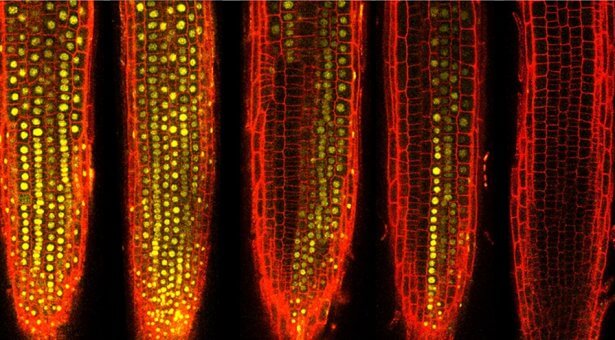
Developmental Cells: How Cells Build a Living Organism
A single fertilised egg can give rise to an organism made up of many different tissues and organs. This transformation depends on developmental cells: cells that divide, change their identities and work together to shape the body. Their activities are central to growth, tissue formation and the maintenance of life.
What is a developmental cell?
The term “developmental cell” is not usually the name of one specific cell type. It describes a cell considered in the context of an organism’s development. Depending on its stage and role, such a cell may be dividing rapidly, becoming specialised, moving to a new location or helping to organise surrounding cells.
Early in development, many cells have the potential to produce a range of cell types. As development progresses, cells generally become more specialised. A cell may, for example, acquire the features of a nerve cell, muscle cell or blood cell. This process is known as cell differentiation.
How cells acquire different identities
Most cells in an organism contain essentially the same DNA, yet they can look and behave very differently. The difference lies largely in which genes are active. Signals inside a cell and messages from neighbouring cells influence gene activity, guiding the cell towards a particular identity and function.
These signals can include proteins, chemical messengers and physical cues from a cell’s surroundings. Their effects depend on factors such as the cell’s location, developmental stage and previous history. In this way, cells can respond differently to the same signal and contribute to the formation of distinct tissues.
From cell division to organised tissues
Development involves more than producing specialised cells. Cells must also divide at the right rate, arrange themselves into patterns and establish connections with one another. Some cells migrate through developing tissues, while others change shape or adhere to neighbouring cells. Together, these processes help form structures such as the nervous system, limbs and internal organs.
Development is carefully regulated. Cells receive and interpret instructions, and the timing of those instructions matters. When these processes are disrupted, development may be altered. Research into developmental biology helps scientists understand how such changes arise and how tissues normally form.
Stem cells and development
Stem cells are important in development because they can produce new cells while, in many cases, maintaining a supply of stem cells. Early embryonic cells have broad developmental potential. Other stem cells, found in particular tissues, have a more limited range of possible outcomes and help renew or repair those tissues.
Studying stem cells allows researchers to investigate how cells specialise and how tissues develop. It also supports research into regenerative medicine, although turning laboratory findings into safe and effective treatments requires extensive testing.
Why developmental cell research matters
Research on cells during development has widened our understanding of how the body forms and functions. It can shed light on inherited conditions, congenital differences, tissue repair and some diseases that involve changes in cell growth or identity. Scientists also use developmental principles to study how cells behave in laboratory-grown tissues and organoids.
Developmental cells are therefore not defined by a single appearance or function. They are part of a dynamic process in which cells respond to instructions, make decisions and cooperate to build an organism. Understanding that process is one of the key aims of developmental biology.
Five Key Benefits of Developmental Cells: From Tissue Formation to Regenerative Medicine
- They help form tissues and organs.
- They specialise into different cell types.
- They support growth and development.
- They help researchers understand inherited conditions.
- They offer insights into tissue repair and regenerative medicine.
Challenges in Developmental Cell Research: Costs, Complexity, Human Applicability, and Ethical Concerns
- Developmental cell research can be costly.
- Results may not apply directly to humans.
- Cell development is complex and difficult to study.
- Stem-cell treatments can raise ethical concerns.
They help form tissues and organs.
Developmental cells help form the body’s tissues and organs by dividing, specialising and organising themselves into coordinated structures. As they respond to signals from nearby cells and their environment, they develop particular roles—for example, becoming muscle, nerve or blood cells. Their carefully timed growth and arrangement enable complex organs to take shape and function properly.
They specialise into different cell types.
One of the key advantages of developmental cells is their ability to specialise into different cell types. Guided by signals from their surroundings and changes in gene activity, they can develop into cells with distinct structures and functions, such as nerve, muscle or blood cells. This specialisation allows tissues and organs to form and perform the many tasks needed to support a healthy organism.
They support growth and development.
Developmental cells support growth and development by dividing to produce new cells and then specialising to form the different tissues and organs the body needs. Guided by genetic instructions and signals from their surroundings, they help shape the body, replace cells as it grows and ensure that developing structures form in the right places and at the right time.
They help researchers understand inherited conditions.
Developmental cells help researchers understand inherited conditions by revealing how genetic changes can affect the way cells grow, specialise and form tissues. By studying these processes, scientists can identify when development is disrupted and gain insight into how certain conditions arise. This knowledge can support earlier diagnosis, improve understanding of how a condition may progress and guide research into potential treatments.
They offer insights into tissue repair and regenerative medicine.
Developmental cells offer valuable insights into how tissues form, repair themselves and replace damaged cells. By studying how these cells grow, specialise and respond to signals, researchers can better understand the body’s natural healing processes and explore ways to support them. This knowledge is helping to shape regenerative medicine, including research into repairing injured tissues and developing cell-based treatments, although many potential therapies still require careful testing before they can be used widely.
Developmental cell research can be costly.
Developmental cell research can be costly because it often requires specialised laboratories, advanced equipment and highly trained researchers. Long-term studies, careful monitoring and strict ethical and safety procedures can add further expense. These costs may limit how many projects can be undertaken and make it harder for smaller research teams or institutions to take part.
Results may not apply directly to humans.
A key limitation of developmental cell research is that findings may not apply directly to humans. Studies often use cells from animals or laboratory-grown models, which can differ from human cells in important ways, including how they develop and respond to signals. As a result, promising findings need to be carefully validated in human cells and, where appropriate, through further clinical research before they can be used to guide treatments.
Cell development is complex and difficult to study.
One drawback of studying cell development is its complexity. Cells change over time and respond to many interacting genetic, chemical and environmental signals, making it difficult to isolate the effect of any one factor. Development also involves precisely timed processes and interactions between cells, which can be challenging to reproduce in laboratory conditions. As a result, research findings may be difficult to interpret or apply to living organisms.
Stem-cell treatments can raise ethical concerns.
Stem-cell treatments can raise ethical concerns, particularly when they involve embryonic stem cells, as obtaining them may require the destruction of an embryo. There are also questions about informed consent, the sourcing and ownership of donated cells, and whether treatments are being offered before their safety and effectiveness have been properly established. Clear regulation and open public discussion are important to ensure that research and treatment respect people’s rights and values.