
Advancing Towards a Greener Future: The Role of Sustainable Buildings
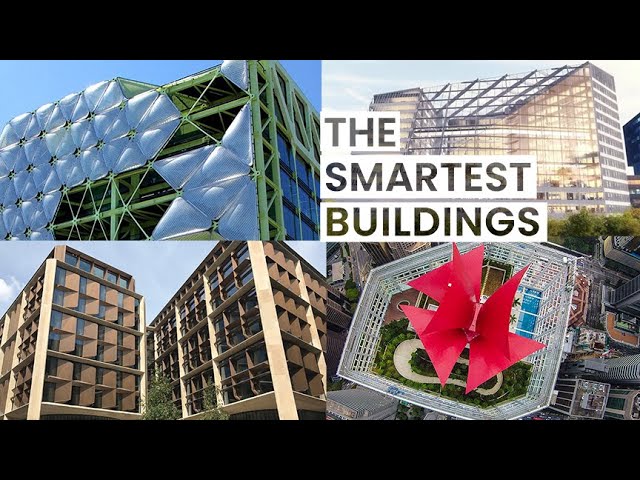
The Importance of Sustainable Buildings
In recent years, the concept of sustainability has gained significant attention in various industries, including construction and architecture. Sustainable buildings are structures that are designed, built, operated, and maintained in an environmentally responsible and resource-efficient manner.
There are several key reasons why sustainable buildings are important:
- Environmental Impact: Sustainable buildings help reduce the environmental impact of construction and operation. They promote energy efficiency, water conservation, waste reduction, and use of renewable materials.
- Resource Efficiency: By using sustainable building practices, we can minimise resource consumption and promote the efficient use of materials such as wood, concrete, steel, and glass.
- Health and Well-being: Sustainable buildings provide healthier indoor environments for occupants by improving air quality, natural lighting, thermal comfort, and acoustics.
- Cost Savings: While the initial cost of constructing a sustainable building may be higher than traditional buildings, the long-term operational savings in terms of energy and water bills can outweigh the initial investment.
Furthermore, sustainable buildings contribute to the overall sustainability goals of communities by reducing greenhouse gas emissions, conserving natural resources, and promoting a more resilient built environment.
In conclusion, the shift towards sustainable buildings is crucial for creating a more environmentally friendly and socially responsible built environment. By embracing sustainable practices in construction and architecture, we can create healthier spaces for people to live and work while minimising our impact on the planet.
Understanding Sustainable Buildings: Key Questions and Answers
- What are sustainable buildings?
- Why are sustainable buildings important?
- How do sustainable buildings help the environment?
- What are the key features of sustainable buildings?
- Are sustainable buildings more expensive to construct?
- How can I make my existing building more sustainable?
What are sustainable buildings?
Sustainable buildings are structures that are designed, constructed, and operated with a focus on reducing their environmental impact and promoting resource efficiency. These buildings are built using environmentally friendly materials, incorporate energy-efficient technologies, and aim to create healthy indoor environments for occupants. Sustainable buildings often utilise renewable energy sources, implement water-saving systems, and prioritise waste reduction practices. By considering the entire life cycle of a building, from design to demolition, sustainable buildings strive to minimise their carbon footprint and contribute to a more sustainable future for our planet.
Why are sustainable buildings important?
Sustainable buildings are crucial for several reasons. Firstly, they play a significant role in reducing the environmental impact of construction and operation by promoting energy efficiency, water conservation, waste reduction, and the use of renewable materials. Secondly, sustainable buildings contribute to resource efficiency by minimising resource consumption and promoting the efficient use of materials. Additionally, they provide healthier indoor environments for occupants by improving air quality, natural lighting, thermal comfort, and acoustics. Moreover, while the initial cost of constructing sustainable buildings may be higher than traditional buildings, the long-term operational savings in terms of energy and water bills can outweigh the initial investment. Overall, sustainable buildings are important for creating a more environmentally friendly and socially responsible built environment that benefits both people and the planet.
How do sustainable buildings help the environment?
Sustainable buildings play a crucial role in helping the environment by incorporating eco-friendly design and construction practices that minimise negative impacts on the natural world. These buildings are designed to be energy-efficient, reducing overall energy consumption and lowering greenhouse gas emissions. They often incorporate renewable energy sources like solar panels and wind turbines to generate clean power on-site. Sustainable buildings also focus on water conservation through efficient plumbing fixtures and greywater recycling systems, reducing water wastage. Additionally, sustainable building materials are chosen for their low environmental impact, promoting resource conservation and reducing waste generation. Overall, sustainable buildings help protect ecosystems, reduce pollution, and contribute to a healthier planet for future generations.
What are the key features of sustainable buildings?
When considering sustainable buildings, several key features stand out as crucial components of their design and construction. These features include energy efficiency measures such as the use of renewable energy sources, high-performance insulation, and energy-efficient lighting and appliances. Water conservation strategies, such as rainwater harvesting systems and low-flow fixtures, are also important in sustainable buildings. Additionally, sustainable buildings often incorporate environmentally friendly materials like recycled wood, bamboo flooring, and non-toxic paints to minimise their environmental impact. The integration of natural ventilation, daylighting, and green spaces further enhances the sustainability of these buildings by promoting occupant health and well-being while reducing energy consumption.
Are sustainable buildings more expensive to construct?
One frequently asked question regarding sustainable buildings is whether they are more expensive to construct than traditional buildings. While it is true that the initial construction costs of sustainable buildings may be higher due to the use of eco-friendly materials, energy-efficient systems, and advanced technologies, it is important to consider the long-term savings and benefits they offer. Sustainable buildings often result in lower operational costs over time through reduced energy consumption, water usage, and maintenance expenses. Therefore, while the upfront investment in sustainable construction may be higher, the overall lifecycle cost of a sustainable building can be more cost-effective in the long run.
How can I make my existing building more sustainable?
To make your existing building more sustainable, there are several practical steps you can take. Start by conducting an energy audit to identify areas where energy efficiency can be improved, such as upgrading insulation, installing energy-efficient lighting and appliances, and sealing air leaks. Consider incorporating renewable energy sources like solar panels or wind turbines to reduce your reliance on grid electricity. Improve water efficiency by fixing leaks, installing low-flow fixtures, and implementing rainwater harvesting systems. Enhance indoor air quality by using low-VOC paints and ensuring proper ventilation. Additionally, consider retrofitting your building with green roofs, reflective surfaces, or smart building technologies to further enhance its sustainability performance. By implementing these measures, you can significantly reduce your building’s environmental impact and operating costs while creating a healthier indoor environment for occupants.