
Ecology and Evolution: How Life Adapts and Ecosystems Change
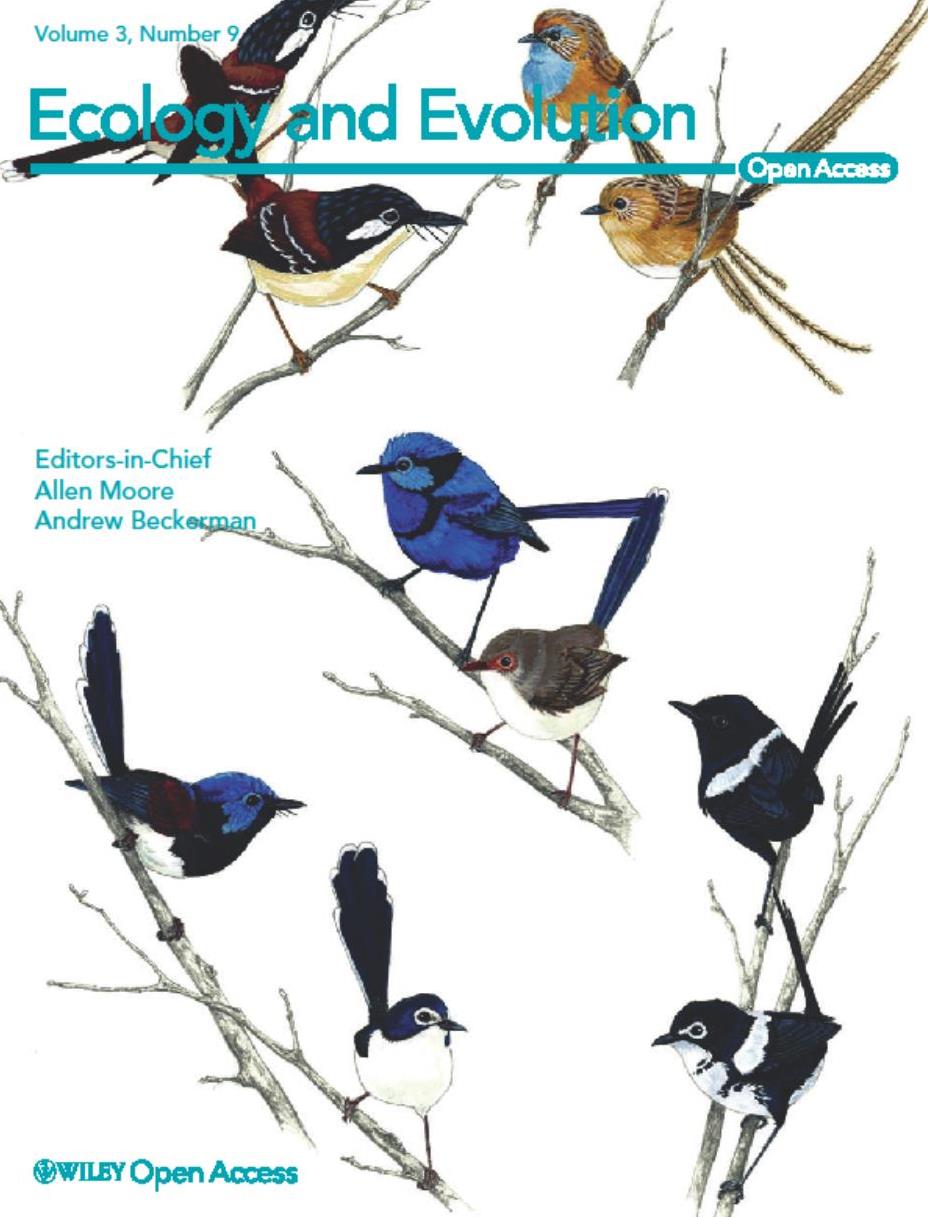
Ecology and Evolution: How Life and Environments Shape One Another
Ecology and evolution are closely connected branches of biology. Ecology explores how organisms interact with one another and with their surroundings. Evolution examines how inherited characteristics in populations change over generations. Together, these fields help explain the diversity of life, how species adapt, and how ecosystems respond to change.
What is ecology?
Ecology studies relationships among living things and between organisms and their physical environment. These relationships can be considered at several levels, from individual organisms and populations to communities and entire ecosystems.
An ecosystem includes living organisms, such as plants, animals, fungi and microbes, as well as non-living factors such as water, soil, temperature and light. Energy flows through ecosystems, often beginning with plants and other organisms that capture energy from sunlight. Nutrients, meanwhile, move through cycles involving organisms, the atmosphere, water and soil.
Ecologists investigate processes such as competition, predation, pollination, decomposition and cooperation. They also study how factors including climate, habitat and the availability of food influence where species live and how abundant they are.
What is evolution?
Evolution is the change in inherited characteristics of populations over generations. It does not happen to individual organisms during their lifetimes; rather, the genetic make-up of a population shifts over time.
Variation is essential to evolution. Individuals in a population differ, and some of those differences are inherited. Natural selection occurs when inherited traits affect survival or reproductive success in a particular environment. Individuals with traits that give them an advantage may leave more offspring, making those traits more common in later generations.
Evolution can also be shaped by processes such as mutation, the movement of individuals between populations and chance events that alter the frequency of genes. Over long periods, populations may become increasingly distinct, and new species can arise.
How ecology influences evolution
Environmental conditions help determine which traits are advantageous. A feature that is beneficial in one setting may offer little benefit, or even be harmful, in another. For example, the colouration that helps an animal avoid predators in one habitat may make it more visible in a different one.
Interactions between species can also drive evolutionary change. Predators and prey may each evolve traits that help them gain an advantage: prey may become harder to detect, while predators may develop more effective ways to find or catch them. Similarly, flowering plants and their pollinators can influence one another’s evolution as they adapt to how each other looks, behaves or feeds.
Competition for resources, such as food, space or light, can favour different ways of making a living. Over time, this may contribute to the specialisation of species and the varied roles they play within an ecosystem.
How evolution influences ecology
Evolution shapes the traits that affect how organisms interact with their environment. These traits influence what a species eats, where it can live, when it reproduces and how it responds to other organisms. In this way, evolutionary history helps determine the structure and functioning of ecosystems.
For instance, adaptations for surviving in cold, dry or nutrient-poor conditions can allow species to occupy particular habitats. The presence or absence of such species may affect other organisms and influence the flow of energy and nutrients through an ecosystem.
Change in a changing world
Ecological and evolutionary processes continue today. Populations may respond to environmental change through shifts in their distribution, behaviour or abundance. If inherited variation allows some individuals to cope better with new conditions, natural selection may alter the population over generations. However, change can happen faster than a population can adapt, particularly when habitats are lost or conditions shift rapidly.
Human activities influence both ecology and evolution. Urbanisation, pollution, habitat fragmentation, the spread of invasive species and climate change can alter ecosystems and the pressures faced by their inhabitants. Some species may adjust or move; others may decline. Understanding these responses is important for conservation and for managing natural resources responsibly.
Why studying both matters
Ecology provides a picture of how living systems work now, while evolution offers insight into how their features arose and how populations might change. Studying the two together gives a fuller understanding of biodiversity and the connections that sustain life.
This combined perspective can help guide conservation decisions, such as protecting connected habitats, maintaining genetic diversity and recognising that species are part of wider ecological relationships. It also reminds us that ecosystems are not static: they are shaped by ongoing interactions and change.
Ecology and evolution tell a shared story. Organisms shape their environments, environments influence which organisms thrive, and inherited traits change across generations. These continuing relationships have produced the diversity of life on Earth—and remain central to its future.
Understanding Ecology and Evolution: Insights into Biodiversity, Adaptation, and Conservation
- Explains how living things interact with their environment.
- Shows how species adapt over generations.
- Helps protect biodiversity and threatened species.
- Improves understanding of ecosystems and food webs.
- Supports informed conservation decisions.
- Reveals how human activities affect nature.
- Helps predict responses to environmental change.
- Inspires respect for the diversity of life.
Challenges in Ecology and Evolution: Adaptation, Data Complexity, Land Use, and Misinterpretation
- Evolution can take many generations, so populations may struggle to adapt to rapid environmental change.
- Ecological research can be complex and affected by incomplete data.
- Conservation measures may restrict land use and resource development.
- Evolutionary explanations can be misunderstood or misused to justify harmful social ideas.
Explains how living things interact with their environment.
Ecology and evolution help explain how living things interact with their environment and with one another. Ecology examines how factors such as food, climate and habitat affect organisms, while evolution shows how inherited traits can change over generations in response to these conditions. Together, they reveal how species adapt, compete and depend on each other, and how these relationships shape the natural world.
Shows how species adapt over generations.
Ecology and evolution show how species adapt to changing conditions over generations. Differences in inherited traits mean some individuals are better suited to their environment and more likely to reproduce. As these advantageous traits become more common in a population, the species may gradually become better adapted to challenges such as climate shifts, new food sources or changing relationships with other organisms.
Helps protect biodiversity and threatened species.
Understanding ecology and evolution helps protect biodiversity and threatened species by showing how organisms depend on one another and on healthy habitats. This knowledge can guide conservation efforts, from restoring damaged ecosystems and protecting breeding grounds to maintaining genetic diversity and wildlife corridors. It also helps scientists identify the pressures causing populations to decline and develop practical ways to improve their chances of survival.
Improves understanding of ecosystems and food webs.
Studying ecology and evolution improves our understanding of how ecosystems function and how species depend on one another. By examining relationships between organisms and their environment, we can see how energy and nutrients move through food webs, from plants and other producers to consumers and decomposers. Evolution helps explain how these relationships have developed and how species’ adaptations affect their roles. This knowledge makes it easier to anticipate how changes—such as habitat loss or the decline of one species—may affect the wider ecosystem.
Supports informed conservation decisions.
Understanding ecology and evolution supports informed conservation decisions by showing how species interact with one another, depend on their habitats and respond to environmental change. This knowledge helps conservationists identify which ecosystems and populations are most at risk, choose effective ways to protect them, and plan for long-term challenges such as climate change. By considering genetic diversity and the relationships between species, conservation efforts can support resilient ecosystems rather than focusing on individual species in isolation.
Reveals how human activities affect nature.
Ecology and evolution reveal how human activities affect nature by showing how changes to habitats, pollution, climate and the movement of species influence ecosystems and populations over time. Ecological research helps identify immediate effects, such as declining numbers of pollinators, while evolutionary studies can show how species respond to new pressures or whether they can adapt quickly enough. Together, these insights help us understand the consequences of our actions and make better-informed decisions to protect biodiversity and the natural systems on which people depend.
Helps predict responses to environmental change.
Ecology and evolution help scientists predict how organisms and ecosystems may respond to environmental change. By understanding species’ relationships, habitat needs and capacity to adapt, researchers can assess the likely effects of pressures such as climate change, pollution and habitat loss. These insights can guide conservation planning, helping communities protect vulnerable species and ecosystems before impacts become more severe.
Inspires respect for the diversity of life.
Studying ecology and evolution inspires respect for the diversity of life by showing how every species has been shaped by its environment and its relationships with other organisms. From tiny soil microbes to complex ecosystems, living things have distinctive roles and adaptations that contribute to the natural world. Understanding these connections can deepen appreciation for biodiversity and encourage people to protect habitats and species for future generations.
Evolution can take many generations, so populations may struggle to adapt to rapid environmental change.
Evolution often unfolds over many generations, which can make it difficult for populations to keep pace with rapid environmental change. When habitats are altered quickly by climate change, pollution or human development, individuals may not have enough time to inherit and spread traits that improve their chances of survival. As a result, populations can decline or disappear before they are able to adapt.
Ecological research can be complex and affected by incomplete data.
Ecological research can be complex because ecosystems involve many interacting species and environmental factors, making it difficult to isolate cause and effect. Researchers may also have incomplete data: some species are hard to observe, long-term records may be limited, and conditions can vary across places and seasons. These gaps can make findings less certain and complicate predictions about how populations and ecosystems will respond to environmental change. Careful methods, repeated monitoring and clear communication of uncertainty help address these challenges.
Conservation measures may restrict land use and resource development.
Conservation measures can sometimes restrict how land is used or how natural resources are developed. Limits on activities such as farming, construction, mining or logging may affect local livelihoods, businesses and plans for economic growth, particularly in communities that depend on these activities. These restrictions can also create tensions when decisions are made without meaningful consultation or when the costs fall unevenly on local people. Careful planning, fair compensation and community involvement can help balance the protection of ecosystems with social and economic needs.
Evolutionary explanations can be misunderstood or misused to justify harmful social ideas.
Evolutionary explanations can be misunderstood or misused to justify harmful social ideas. For example, claims about competition or “survival of the fittest” have sometimes been wrongly applied to human societies to portray inequality, discrimination or the exclusion of certain groups as natural or inevitable. These claims confuse biological processes with moral or political arguments: evolution does not tell us how society ought to be organised. Careful communication is therefore essential, making clear what scientific evidence does—and does not—show, and challenging interpretations that promote prejudice or justify harm.