
Explore Wildlife Conservation Opportunities: Volunteer with Animals Abroad
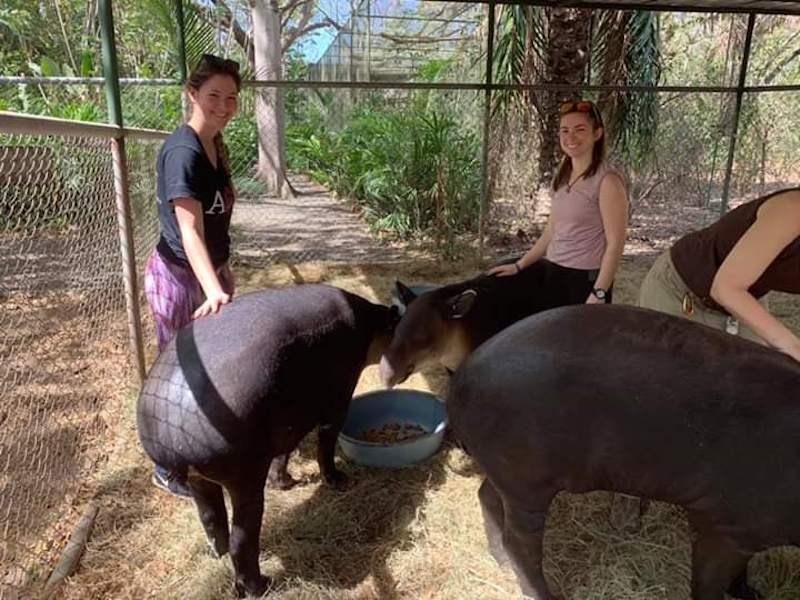
Volunteer with Animals Abroad: Make a Difference
Are you an animal lover looking to make a difference in the lives of creatures big and small? Consider volunteering with animals abroad! This rewarding experience not only allows you to connect with nature and wildlife in a meaningful way but also contributes to conservation efforts and animal welfare around the world.
Why Volunteer with Animals Abroad?
Volunteering with animals abroad offers a unique opportunity to work hands-on with various species, from elephants in Thailand to sea turtles in Costa Rica. By joining a volunteer programme, you can help care for animals, assist in rehabilitation efforts, conduct research, and support conservation projects in diverse ecosystems.
Benefits of Volunteering
The benefits of volunteering with animals abroad extend beyond personal fulfilment. By immersing yourself in different cultures and environments, you gain valuable skills such as teamwork, problem-solving, and adaptability. Additionally, you contribute directly to the well-being of animals and their habitats while raising awareness about conservation issues.
How to Get Started
Research reputable organisations that offer volunteer opportunities with animals abroad. Consider factors such as the organisation’s mission, project locations, accommodation options, and volunteer fees. Ensure that the programme aligns with your interests and values before committing your time and resources.
Make a Difference Today
Embark on a life-changing journey by volunteering with animals abroad. Whether you dream of working with lions on the African savannah or protecting marine life in the Pacific Ocean, there is a volunteer opportunity waiting for you. Join like-minded individuals from around the world and be part of positive change for animals and our planet.
Volunteering Abroad with Animals: Making a Difference While Gaining Experience and Skills
- 1. Make a meaningful impact on animal welfare and conservation efforts.
- 2. Gain hands-on experience working with diverse species in their natural habitats.
- 3. Immerse yourself in different cultures and environments while volunteering abroad.
- 4. Develop valuable skills such as teamwork, problem-solving, and adaptability.
- 5. Contribute directly to the well-being of animals and their ecosystems.
- 6. Raise awareness about conservation issues and promote sustainable practices.
Challenges of Volunteering with Animals Abroad: Limited Impact, Costs, Ethics, Language Barriers, and Safety Risks
1. Make a meaningful impact on animal welfare and conservation efforts.
By volunteering with animals abroad, individuals have the opportunity to make a meaningful impact on animal welfare and conservation efforts. Through hands-on involvement in caring for animals, assisting in rehabilitation programmes, and supporting conservation projects, volunteers play a crucial role in safeguarding the well-being of various species and their habitats. This direct contribution not only helps improve the lives of animals but also contributes to the broader goal of preserving biodiversity and promoting sustainable practices for the benefit of ecosystems worldwide.
2. Gain hands-on experience working with diverse species in their natural habitats.
Volunteering with animals abroad offers the invaluable opportunity to gain hands-on experience working with a wide range of species in their natural habitats. From tracking elephants in the African savannah to assisting with sea turtle conservation on tropical beaches, volunteers have the chance to immerse themselves in unique ecosystems and learn about wildlife up close. This direct interaction not only deepens one’s understanding of different species but also fosters a greater appreciation for the importance of conservation efforts in preserving biodiversity around the world.
3. Immerse yourself in different cultures and environments while volunteering abroad.
Immersing yourself in different cultures and environments while volunteering abroad is a transformative experience that broadens your perspective and deepens your understanding of the world. By engaging with local communities and learning about their customs, traditions, and way of life, you not only contribute to the welfare of animals but also foster cross-cultural exchange and mutual respect. This cultural immersion allows you to develop empathy, tolerance, and appreciation for diversity, enriching your volunteer journey with meaningful interactions and lasting memories.
4. Develop valuable skills such as teamwork, problem-solving, and adaptability.
Volunteering with animals abroad offers a unique opportunity to develop valuable skills such as teamwork, problem-solving, and adaptability. Working alongside other volunteers and local staff in diverse environments fosters collaboration and communication skills essential for effective teamwork. From caring for injured wildlife to participating in conservation projects, volunteers often encounter challenges that require quick thinking and problem-solving abilities. Adapting to unfamiliar situations and environments while supporting animal welfare initiatives enhances personal growth and resilience, making the experience both fulfilling and enriching.
5. Contribute directly to the well-being of animals and their ecosystems.
By volunteering with animals abroad, you have the opportunity to contribute directly to the well-being of animals and their ecosystems. Your hands-on involvement in caring for and protecting wildlife plays a crucial role in preserving biodiversity and maintaining the delicate balance of natural habitats. Through conservation efforts and rehabilitation programmes, you can make a tangible impact on the lives of animals while safeguarding their environments for future generations. Your dedication as a volunteer helps ensure the continued health and sustainability of ecosystems around the world, fostering a harmonious relationship between humans and wildlife.
6. Raise awareness about conservation issues and promote sustainable practices.
Volunteering with animals abroad provides a valuable opportunity to raise awareness about conservation issues and promote sustainable practices. By actively participating in conservation projects and witnessing firsthand the challenges faced by wildlife and their habitats, volunteers can educate others about the importance of preserving biodiversity and adopting eco-friendly practices. Through their experiences, volunteers become advocates for sustainable living and inspire others to take action towards protecting our planet for future generations.
Limited impact
One significant con of volunteering with animals abroad is the potential for limited long-term impact on animal welfare and conservation efforts. While volunteers may dedicate their time and energy to caring for animals and supporting conservation projects during their stay, the transient nature of volunteer programmes can sometimes result in challenges sustaining meaningful change over time. Without comprehensive strategies for continuity and follow-up, the impact of individual volunteer contributions may be constrained, highlighting the importance of sustainable practices and ongoing support in achieving lasting benefits for animal welfare and conservation.
Costs involved
Volunteering abroad with animals can present a significant con in terms of the costs involved. Participants often face high expenses, including programme fees, travel costs, and accommodation expenses. These financial burdens can deter individuals from pursuing volunteer opportunities with animals abroad, particularly those on a tight budget. The substantial financial investment required may limit the accessibility of such experiences to a more privileged demographic, potentially excluding passionate animal lovers who cannot afford the associated costs.
Ethical concerns
Certain volunteer projects may raise ethical dilemmas regarding animal handling, exploitation, or captivity. While the intention to help animals is noble, some volunteer opportunities abroad may involve practices that are not in the best interest of the animals’ welfare. It is essential for volunteers to critically evaluate the ethical implications of their involvement in such projects and ensure that their actions align with principles of animal rights and conservation. By being mindful of these ethical concerns, volunteers can make informed decisions and choose projects that prioritise the well-being and dignity of the animals they seek to assist.
Language barriers
Language barriers can present a significant challenge for volunteers working with animals abroad, especially in countries where English is not commonly spoken. Effective communication is essential in ensuring the well-being of animals and coordinating tasks efficiently. When language barriers exist, volunteers may struggle to convey instructions, understand local practices, or communicate effectively with fellow team members. Overcoming language obstacles requires patience, creativity, and a willingness to learn basic phrases or use non-verbal communication methods to bridge the gap and ensure that the animals receive the care they need.
Health and safety risks
Volunteering with animals abroad presents significant health and safety risks for individuals. Volunteers may encounter unfamiliar environments, wildlife diseases, or physical hazards that can jeopardize their well-being. Exposure to wildlife and their habitats can increase the likelihood of contracting diseases or encountering dangerous situations. Additionally, working in remote or challenging conditions may pose physical risks such as injuries or accidents. It is crucial for volunteers to be aware of these potential hazards and take necessary precautions to safeguard their health while contributing to animal welfare efforts overseas.