
Empowering Innovation: The Role of Contract Research Organizations in Driving Pharmaceutical Advancements
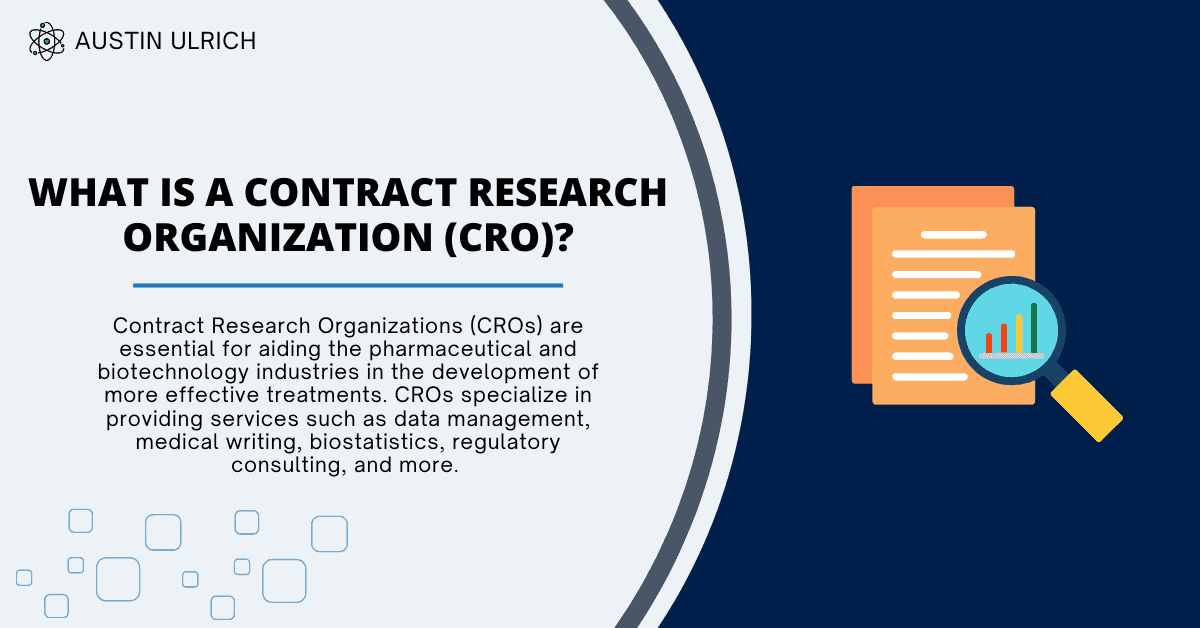
Contract Research Organization: Driving Innovation in the Pharmaceutical Industry
In the dynamic landscape of the pharmaceutical industry, Contract Research Organizations (CROs) play a pivotal role in accelerating drug development, ensuring regulatory compliance, and driving innovation. CROs are independent entities that provide comprehensive research services to pharmaceutical, biotechnology, and medical device companies.
One of the key advantages of partnering with a CRO is access to specialized expertise and state-of-the-art facilities without the need for substantial investments in infrastructure. CROs offer a wide range of services including preclinical and clinical trials, regulatory affairs, data management, biostatistics, pharmacovigilance, and quality assurance.
By outsourcing research activities to CROs, pharmaceutical companies can streamline their operations, reduce costs, and accelerate the time-to-market for new drugs. This strategic partnership allows pharmaceutical companies to focus on their core competencies such as drug discovery and marketing while leveraging the expertise of CROs in research and development.
CROs also play a crucial role in ensuring compliance with regulatory requirements set forth by agencies such as the Food and Drug Administration (FDA) and the European Medicines Agency (EMA). By adhering to stringent quality standards and best practices, CROs help pharmaceutical companies navigate complex regulatory landscapes and bring safe and effective drugs to market.
Furthermore, CROs enable pharmaceutical companies to access global markets by conducting multi-center clinical trials across different regions. This not only enhances the diversity of patient populations but also facilitates faster recruitment of participants for clinical studies.
In conclusion, Contract Research Organizations are indispensable partners in the pharmaceutical industry, driving innovation, efficiency, and compliance. Their expertise, resources, and global reach empower pharmaceutical companies to bring life-saving therapies to patients worldwide.
Understanding Contract Research Organizations: Key FAQs and Insights for Pharmaceutical Companies
- What is a Contract Research Organization (CRO) and what services do they provide?
- How do Contract Research Organizations help pharmaceutical companies in drug development?
- What are the benefits of outsourcing research activities to a Contract Research Organization?
- How do Contract Research Organizations ensure compliance with regulatory requirements?
- What role do Contract Research Organizations play in clinical trials?
- How can pharmaceutical companies choose the right Contract Research Organization for their needs?
- What is the difference between a Contract Research Organization and a Clinical Research Organization?
What is a Contract Research Organization (CRO) and what services do they provide?
A Contract Research Organization (CRO) is an independent entity that offers a wide range of research services to pharmaceutical, biotechnology, and medical device companies. CROs play a crucial role in accelerating drug development, ensuring regulatory compliance, and driving innovation in the pharmaceutical industry. These organizations provide services such as preclinical and clinical trials, regulatory affairs support, data management, biostatistics, pharmacovigilance, and quality assurance. By partnering with CROs, companies can access specialized expertise and state-of-the-art facilities without the need for substantial investments in infrastructure. This strategic collaboration allows pharmaceutical companies to streamline their operations, reduce costs, and expedite the time-to-market for new drugs while maintaining high standards of quality and compliance.
How do Contract Research Organizations help pharmaceutical companies in drug development?
Contract Research Organizations (CROs) play a vital role in supporting pharmaceutical companies throughout the drug development process. By partnering with CROs, pharmaceutical companies can access specialized expertise, state-of-the-art facilities, and a wide range of services such as preclinical and clinical trials, regulatory affairs, data management, and quality assurance. CROs help streamline operations, reduce costs, and accelerate the time-to-market for new drugs by handling research activities efficiently. Additionally, CROs assist in ensuring compliance with regulatory requirements, conducting multi-center clinical trials across different regions to access diverse patient populations, and ultimately empowering pharmaceutical companies to focus on their core competencies while leveraging the expertise of CROs in research and development.
What are the benefits of outsourcing research activities to a Contract Research Organization?
Outsourcing research activities to a Contract Research Organization (CRO) offers numerous benefits to pharmaceutical, biotechnology, and medical device companies. One key advantage is access to specialized expertise and cutting-edge facilities without the need for substantial investments in infrastructure. CROs provide a wide range of services, including preclinical and clinical trials, regulatory affairs, data management, biostatistics, pharmacovigilance, and quality assurance. By partnering with a CRO, companies can streamline their operations, reduce costs, accelerate drug development timelines, and focus on their core competencies such as drug discovery and marketing. Additionally, CROs help ensure compliance with regulatory requirements and facilitate access to global markets through multi-center clinical trials. Overall, outsourcing research activities to a CRO enables companies to drive innovation, efficiency, and success in bringing new therapies to market.
How do Contract Research Organizations ensure compliance with regulatory requirements?
Contract Research Organizations (CROs) ensure compliance with regulatory requirements through a combination of expertise, rigorous processes, and adherence to industry standards. CROs have dedicated teams of regulatory affairs professionals who stay updated on the latest regulations set forth by governing bodies such as the FDA and EMA. These experts work closely with clients to develop comprehensive regulatory strategies and ensure that all research activities adhere to applicable laws and guidelines. Additionally, CROs implement robust quality assurance measures, conduct regular audits, and maintain detailed documentation to demonstrate compliance throughout the research process. By prioritizing regulatory compliance, CROs help pharmaceutical companies navigate complex regulatory landscapes and bring safe and effective drugs to market efficiently.
What role do Contract Research Organizations play in clinical trials?
Contract Research Organizations (CROs) play a crucial role in clinical trials by providing comprehensive research services to pharmaceutical, biotechnology, and medical device companies. CROs are responsible for various aspects of clinical trial management, including protocol development, patient recruitment, site monitoring, data collection and analysis, regulatory compliance, and quality assurance. By leveraging their expertise and resources, CROs help streamline the clinical trial process, accelerate study timelines, ensure data accuracy and integrity, and enhance patient safety. Their involvement allows pharmaceutical companies to focus on drug development while entrusting the operational aspects of clinical trials to experienced professionals, ultimately contributing to the successful and efficient execution of critical research studies.
How can pharmaceutical companies choose the right Contract Research Organization for their needs?
When it comes to selecting the right Contract Research Organization (CRO) for their needs, pharmaceutical companies must consider several key factors. Firstly, assessing the CRO’s expertise and experience in the specific therapeutic area or service required is crucial. Companies should evaluate the CRO’s track record, reputation, and client testimonials to ensure they have a proven success record. Additionally, considering the CRO’s infrastructure, technological capabilities, and quality standards is essential to guarantee efficient and compliant research processes. Moreover, evaluating the CRO’s communication style, project management approach, and flexibility in meeting timelines and budgets can help companies find a partner that aligns with their needs and values. Ultimately, thorough research, due diligence, and clear communication are paramount in choosing the right CRO to support pharmaceutical companies in achieving their research and development goals.
What is the difference between a Contract Research Organization and a Clinical Research Organization?
One frequently asked question in the realm of research services is the distinction between a Contract Research Organization (CRO) and a Clinical Research Organization (CRO). While both entities provide essential services to the pharmaceutical and healthcare industries, they differ in their scope and focus. A Contract Research Organization typically offers a broader range of research services beyond clinical trials, including preclinical research, regulatory affairs, data management, and quality assurance. On the other hand, a Clinical Research Organization specifically specializes in managing and conducting clinical trials, from Phase I to Phase IV, focusing on patient recruitment, data collection, monitoring, and regulatory compliance. Understanding this difference is crucial for companies seeking to outsource specific research functions effectively.