
Advancing Healthcare Through Clinical Research Organizations: A Critical Role in Medical Innovation
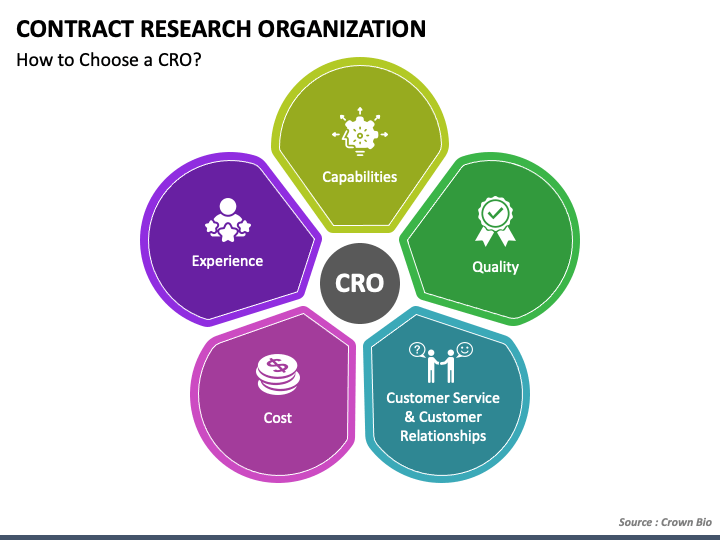
The Role of Clinical Research Organizations in Advancing Healthcare
Clinical research organizations (CROs) play a crucial role in the development of new medical treatments and therapies by conducting clinical trials and research studies. These organizations are instrumental in bridging the gap between scientific innovation and patient care, ultimately improving healthcare outcomes for individuals around the world.
What are Clinical Research Organizations?
Clinical research organizations are companies or institutions that provide support to the pharmaceutical, biotechnology, and medical device industries in the form of research services. These services include designing and conducting clinical trials, collecting and analysing data, ensuring regulatory compliance, and managing various aspects of the research process.
The Importance of CROs in Healthcare
One of the key roles of CROs is to help pharmaceutical companies and researchers bring new drugs and medical devices to market. By outsourcing clinical research activities to CROs, companies can benefit from their expertise, infrastructure, and experience in conducting efficient and high-quality clinical trials.
Furthermore, CROs play a vital role in ensuring that clinical trials are conducted ethically and in compliance with regulatory requirements. This helps to safeguard the rights and well-being of study participants while generating reliable data that can be used to evaluate the safety and efficacy of new treatments.
The Process of Clinical Research
The process of clinical research involves several stages, including protocol development, patient recruitment, data collection, analysis, and reporting. CROs work closely with sponsors (such as pharmaceutical companies or academic institutions) to plan and execute each stage of the research process efficiently.
Challenges Faced by CROs
Despite their important role in advancing healthcare, CROs face various challenges such as increasing regulatory requirements, rising costs of conducting clinical trials, recruitment difficulties, and technological complexities. However, through innovation, collaboration, and continuous improvement in processes, CROs continue to drive progress in medical research.
Conclusion
Clinical research organizations play a vital role in advancing healthcare by facilitating the development of new treatments and therapies through efficient and ethical clinical research practices. Their expertise and dedication contribute significantly to improving patient outcomes and shaping the future of medicine.
Understanding Clinical Research Organisations: Roles, Contributions, Services, Patient Safety, and Challenges
- What is a clinical research organization (CRO) and what do they do?
- How do clinical research organizations contribute to the development of new medical treatments?
- What are the key services provided by clinical research organizations?
- How are clinical research organizations involved in ensuring patient safety during clinical trials?
- What are the challenges faced by clinical research organizations in conducting clinical trials?
What is a clinical research organization (CRO) and what do they do?
A clinical research organization (CRO) is a specialised company or institution that provides support to the pharmaceutical, biotechnology, and medical device industries by conducting clinical trials and research studies. CROs play a crucial role in the healthcare sector by offering a range of services, including designing and managing clinical trials, collecting and analysing data, ensuring compliance with regulatory standards, and overseeing various aspects of the research process. Their expertise and infrastructure enable them to efficiently conduct trials that evaluate the safety and efficacy of new medical treatments, ultimately contributing to the development of innovative therapies that improve patient care and advance medical science.
How do clinical research organizations contribute to the development of new medical treatments?
Clinical research organizations (CROs) make significant contributions to the development of new medical treatments by providing essential support and expertise throughout the clinical research process. These organisations play a crucial role in designing and conducting clinical trials, collecting and analysing data, ensuring regulatory compliance, and managing various aspects of research studies. By leveraging their experience, infrastructure, and specialised knowledge, CROs help pharmaceutical companies and researchers efficiently bring new drugs and medical devices to market. Their involvement ensures that clinical trials are conducted ethically, in compliance with regulations, and generate reliable data to evaluate the safety and efficacy of potential treatments. Overall, CROs are instrumental in advancing healthcare by facilitating the translation of scientific innovation into tangible medical advancements that benefit patients worldwide.
What are the key services provided by clinical research organizations?
Clinical research organizations (CROs) offer a range of essential services to support the development of new medical treatments and therapies. Some key services provided by CROs include designing and conducting clinical trials, managing regulatory compliance, collecting and analysing data, recruiting participants for studies, ensuring patient safety and ethical standards, monitoring trial progress, and reporting results to sponsors. These services are crucial in advancing medical research, ensuring the effectiveness and safety of new treatments, and ultimately improving healthcare outcomes for patients worldwide.
How are clinical research organizations involved in ensuring patient safety during clinical trials?
Clinical research organizations (CROs) play a crucial role in ensuring patient safety during clinical trials through various mechanisms. Firstly, CROs adhere to strict regulatory guidelines and ethical standards to protect the rights and well-being of study participants. They carefully design trial protocols, implement rigorous monitoring processes, and conduct regular safety assessments to identify and mitigate any potential risks to patients. Additionally, CROs work closely with healthcare professionals, regulatory authorities, and sponsors to ensure that all aspects of the trial are conducted in a safe and ethical manner. By prioritising patient safety at every stage of the research process, CROs contribute significantly to the overall integrity and success of clinical trials.
What are the challenges faced by clinical research organizations in conducting clinical trials?
Clinical research organizations encounter several challenges when conducting clinical trials. These challenges include navigating complex regulatory requirements, ensuring patient recruitment and retention, managing increasing trial costs, dealing with data collection and analysis complexities, and addressing technological advancements in the research process. Additionally, CROs must constantly strive to maintain high standards of ethical conduct and compliance while balancing the need for innovation and efficiency in their clinical trial operations. Overcoming these challenges requires strategic planning, collaboration with stakeholders, adoption of advanced technologies, and continuous improvement in processes to ensure the successful execution of clinical trials and the generation of reliable data for advancing healthcare research.