
No Poverty: Building a Fairer Future for Everyone
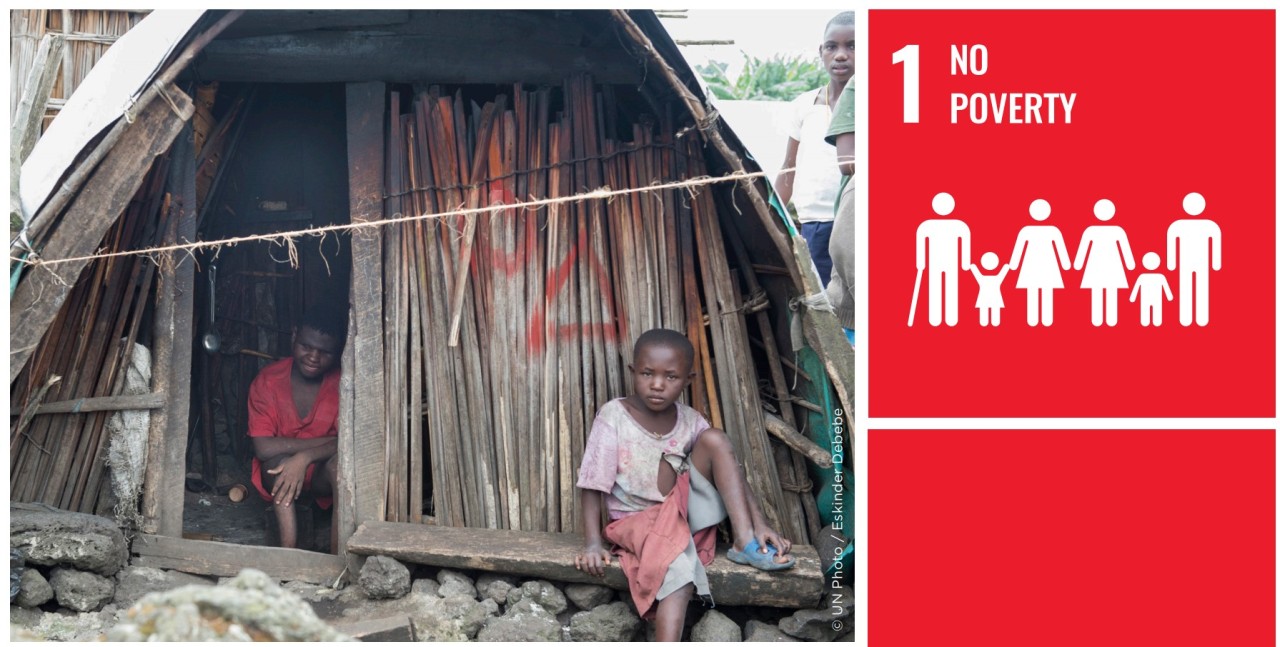
No Poverty: Building a Future Where Everyone Can Thrive
Poverty is more than a lack of money. It can mean going without enough food, safe housing, healthcare, education or the chance to earn a secure living. It can also leave people exposed to discrimination, conflict, illness and environmental disasters. Ending poverty means tackling these challenges together and ensuring everyone can live with dignity and opportunity.
What does “No Poverty” mean?
No Poverty is the first of the United Nations’ Sustainable Development Goals (SDGs). It calls for an end to poverty in all its forms, everywhere. This includes extreme poverty, but also the hardship experienced by people who may have an income yet still cannot afford essentials or cope with an unexpected setback.
Poverty is not experienced in the same way by everyone. Children, disabled people, older people, women and marginalised communities can face additional barriers to education, employment and support. Where a person lives also matters: conflict, weak public services, discrimination and climate-related shocks can make it much harder to escape hardship.
Why does poverty persist?
There is no single cause. Low wages, insecure work and unemployment can make it difficult for households to meet basic needs. Limited access to quality education and healthcare can restrict people’s choices and opportunities. Discrimination may prevent some groups from accessing jobs, land, finance or public services.
Conflict and displacement can destroy homes, livelihoods and essential infrastructure. Meanwhile, floods, droughts and other climate-related events can push families into hardship, particularly when they have few savings or limited access to insurance and social support. These pressures often overlap, creating cycles of poverty that are difficult to break.
What helps reduce poverty?
Effective action combines immediate support with long-term change. Social protection, such as income assistance, pensions and child benefits, can help people meet essential needs and manage difficult periods. Affordable healthcare, good-quality education and access to nutritious food give individuals and families a stronger foundation.
Decent work is also vital. Fair wages, safe working conditions and secure employment can help people build stable lives. Support for small businesses, farmers and local economies can create livelihoods, while access to banking and affordable financial services can help people save and plan for the future.
Governments have a central role in making essential services accessible and ensuring that public policies reach those most at risk of being left behind. Businesses can contribute through fair employment practices and responsible supply chains. Community organisations and charities often provide practical support and help people make their voices heard.
How can communities and individuals contribute?
Ending poverty is a shared responsibility, but meaningful progress depends on addressing its structural causes—not blaming people for the circumstances they face. Communities can support local food programmes, housing initiatives and employment services, while advocating for policies that reduce inequality and improve access to essential services.
Individuals can learn about poverty in their own communities, support trusted organisations and challenge stereotypes. Listening to people with lived experience is particularly important: solutions are more likely to work when those affected help shape them.
A shared goal
No Poverty is not simply about raising incomes. It is about ensuring that everyone has the resources, security and opportunities needed to live a dignified life. Progress requires sustained investment, fair institutions and cooperation across communities, governments and businesses.
A world without poverty is possible when support reaches people in need and the barriers that keep people poor are addressed. By building inclusive services, decent livelihoods and resilient communities, societies can move closer to a future in which everyone has the chance to thrive.
Advancing a Poverty-Free Society: Eight Key Benefits for Individuals and Communities
- Improves access to food, safe housing and healthcare.
- Gives children better opportunities to learn and thrive.
- Supports decent work and fair wages.
- Helps families cope with emergencies and hardship.
- Reduces inequality and social exclusion.
- Strengthens communities and local economies.
- Promotes dignity, security and independence.
- Builds a fairer, more resilient society.
Challenges and Considerations in the Fight Against Poverty: Addressing Funding, Dependency, and Local Needs
- Requires substantial, sustained funding.
- Progress can be slow and difficult to measure.
- Poorly designed aid may create dependency.
- Benefits may not reach the most vulnerable.
- Economic shocks can reverse hard-won gains.
- Policies may overlook local needs.
Improves access to food, safe housing and healthcare.
Reducing poverty helps more people afford the essentials they need to live healthy, secure lives. With a reliable income and effective support services, individuals and families are better able to buy nutritious food, find safe and stable housing, and access healthcare when they need it. These foundations can improve wellbeing, reduce stress and help people take part more fully in their communities.
Gives children better opportunities to learn and thrive.
Ending poverty gives children a stronger chance to learn, grow and reach their potential. When families can afford essentials such as nutritious food, safe housing, healthcare and school supplies, children are better placed to attend school regularly and concentrate on their studies. With access to quality education and supportive surroundings, they can develop their skills, build confidence and pursue opportunities that may otherwise be out of reach. These benefits can also help break cycles of hardship, giving future generations a fairer start in life.
Supports decent work and fair wages.
Ending poverty supports decent work and fair wages by helping ensure people can access secure jobs, safe working conditions and pay that covers the essentials. Fair employment gives individuals greater financial stability and dignity, while enabling families to plan for the future and participate more fully in their communities. When workers are treated fairly, economies and societies can become more inclusive and resilient.
Helps families cope with emergencies and hardship.
When families have access to secure incomes, savings and reliable support, they are better able to cope with emergencies and hardship. They can manage unexpected costs, such as a job loss, illness or urgent home repairs, without having to go without essentials or fall into debt. Reducing poverty also helps families recover more quickly from difficult situations and feel safer about the future.
Reduces inequality and social exclusion.
Reducing poverty helps narrow the gap between people and gives everyone a fairer chance to participate in society. When people can access essentials such as secure housing, education, healthcare and decent work, they are less likely to be excluded from opportunities or decision-making. Tackling poverty can also challenge barriers faced by marginalised groups, helping build more inclusive communities where everyone is treated with dignity and has the opportunity to thrive.
Strengthens communities and local economies.
Reducing poverty helps communities and local economies grow stronger. When people have secure incomes, they are more able to afford essentials, take part in community life and support local shops and businesses. This keeps money circulating locally, helps create jobs and encourages investment in services and shared spaces. With greater financial security, communities can also build stronger connections and become more resilient when challenges arise.
Promotes dignity, security and independence.
Ending poverty helps people live with dignity, security and independence. When everyone can access essentials such as food, housing, healthcare and education, they are better placed to make choices about their lives and plan for the future. Reliable work and social support can reduce the fear of sudden hardship, while greater financial stability enables people to participate more fully in their communities and rely less on emergency assistance.
Builds a fairer, more resilient society.
Ending poverty helps build a fairer, more resilient society by giving everyone a better chance to access education, healthcare, secure housing and decent work. When people can meet their basic needs and take part in community life, inequalities can narrow and communities are better able to withstand challenges such as economic downturns, illness and extreme weather.
Requires substantial, sustained funding.
Efforts to achieve no poverty require substantial, sustained funding for services such as healthcare, education, housing and social protection. These commitments can place pressure on public budgets, particularly in countries with limited tax revenues or competing urgent needs. Short-term or unreliable funding may also disrupt essential support and undermine long-term progress, so governments and partners must plan carefully to secure resources and use them effectively.
Progress can be slow and difficult to measure.
Progress towards ending poverty can be slow and difficult to measure because poverty is complex and shaped by many factors, including access to healthcare, education, secure work and housing. Changes in income may not reflect improvements in people’s overall wellbeing, while reliable data can be limited or out of date, particularly in areas affected by conflict or instability. As a result, it can take years to see whether policies are making a lasting difference, making it harder to identify what works and maintain public support.
Poorly designed aid may create dependency.
Poorly designed aid can unintentionally create dependency if it provides short-term support without helping people build lasting security and independence. When assistance is not shaped around local needs or paired with opportunities such as education, training and decent work, communities may have limited ways to sustain progress once funding ends. This does not mean aid is inherently harmful: well-planned support can protect people in crisis while strengthening local skills, services and livelihoods for the long term.
Benefits may not reach the most vulnerable.
Efforts to end poverty can fall short when support does not reach the people who need it most. Complex application processes, limited access to information, lack of identification documents, discrimination or weak public services may exclude people who are homeless, displaced, disabled or living in remote areas. As a result, benefits and assistance can be unevenly distributed, leaving the most vulnerable without essential support. Clear, accessible systems and meaningful consultation with affected communities can help ensure that no one is overlooked.
Economic shocks can reverse hard-won gains.
Economic shocks, such as recessions, rising living costs or sudden job losses, can quickly undo progress in reducing poverty. Families with little savings may struggle to afford food, housing and healthcare when their income falls, while small businesses and local services can also come under pressure. Without effective social protection and timely support, people who have only recently moved out of poverty may be pushed back into hardship, making long-term progress difficult to sustain.
Policies may overlook local needs.
Policies designed to reduce poverty can fall short when they take a one-size-fits-all approach. Communities have different needs, shaped by local costs, cultures, employment opportunities and access to services, so a policy that works in one area may be ineffective elsewhere. If local people are not consulted, support may be poorly targeted or difficult to access, leaving those most in need without meaningful help.