
Co-Teaching: A Collaborative Approach to Inclusive Learning
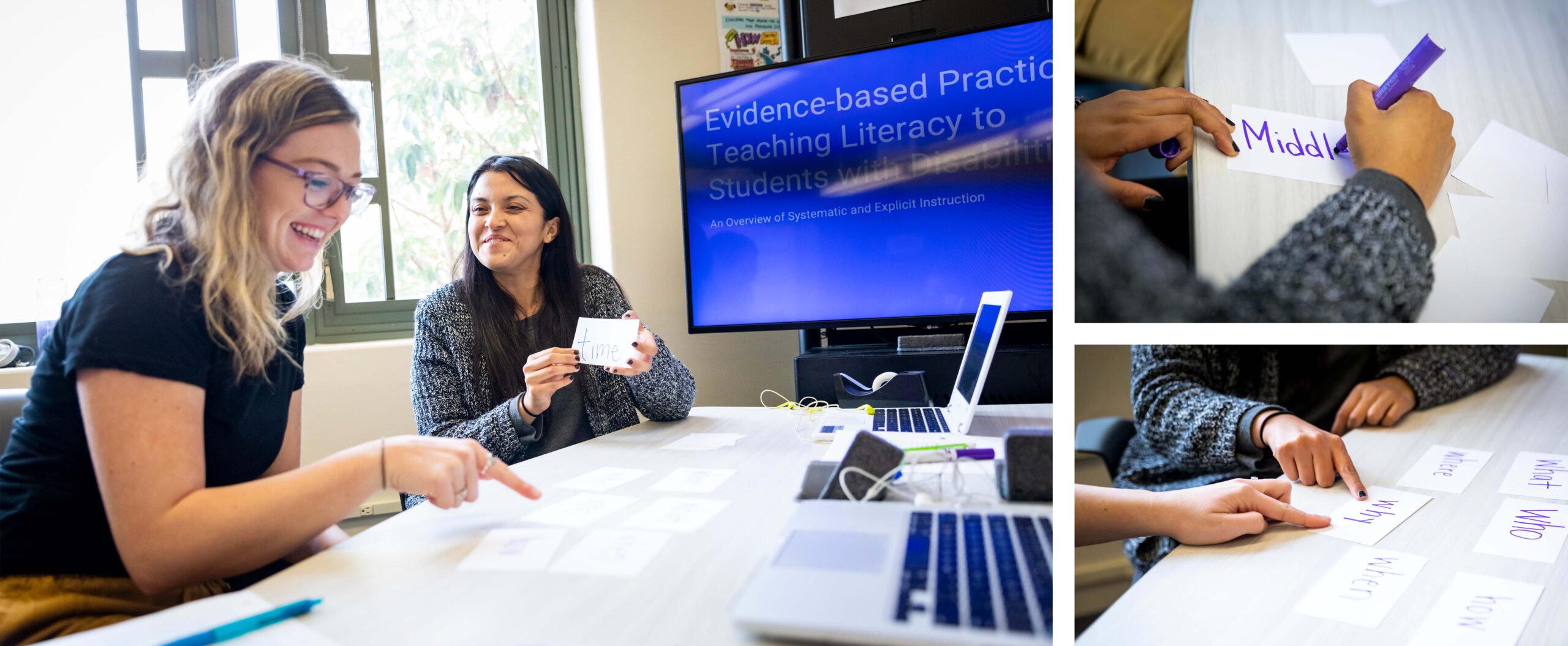
Co-teaching: A collaborative approach to learning
Co-teaching is an approach in which two or more educators share responsibility for teaching a group of pupils. Often, a classroom teacher works alongside a specialist teacher, such as a special educational needs (SEN) teacher, but co-teaching can also involve colleagues with different subject expertise or professional roles.
Rather than simply having two adults in the same room, effective co-teaching involves joint planning, shared instruction and ongoing evaluation. When it is well established, it can help teachers respond to a wider range of learning needs while keeping pupils engaged in a shared classroom community.
How co-teaching works
Co-teaching can take different forms, depending on the lesson, the pupils and the educators’ expertise. Common approaches include:
- Team teaching: Both teachers lead the lesson together, sharing explanations, discussion and classroom interaction.
- Station teaching: Pupils rotate between activities or learning stations, with each teacher leading one or more stations.
- Parallel teaching: The class is divided into smaller groups, and both teachers teach the same material at the same time.
- Alternative teaching: One teacher works with a smaller group for targeted support or extension, while the other teaches the rest of the class.
- One teach, one observe: One teacher leads the lesson while the other gathers information about pupils’ understanding, participation or learning needs. The roles can be switched in future lessons.
- One teach, one assist: One teacher takes the lead while the other provides support to pupils during the lesson. This can be useful at times, though relying on it constantly may limit the second teacher’s role.
These approaches are not fixed routines. Teachers may use different models within the same lesson or adapt them over time.
Potential benefits
Co-teaching can make it easier to offer varied explanations, activities and levels of support. With two educators contributing, pupils may receive more timely feedback, and teachers can notice misunderstandings or barriers to learning more quickly.
It can also support inclusion. Instead of separating pupils who need additional help from their classmates, teachers can adapt instruction within the shared classroom. At the same time, co-teaching can benefit pupils who need extra challenge, as well as those who learn best through different approaches.
For teachers, working together can provide opportunities to share expertise, reflect on teaching and develop new strategies. These benefits are most likely when both educators are recognised as equal partners in the classroom.
What makes co-teaching effective?
Successful co-teaching depends on more than good intentions. Teachers need time and support to build a productive working relationship. Several practices can help:
- Plan together: Agree on the learning objectives, lesson structure, responsibilities and ways to check pupils’ understanding.
- Share responsibility: Both teachers should contribute to instruction, behaviour support and assessment, rather than one consistently taking a secondary role.
- Use each teacher’s strengths: Consider subject knowledge, specialist expertise and individual teaching styles when deciding how to organise a lesson.
- Communicate openly: Discuss what is working, what is not and how the approach could be improved. Respectful, specific feedback helps build trust.
- Review the impact: Look at pupils’ work, participation and progress to decide whether the teaching arrangement is meeting its aims.
Common challenges
Co-teaching can be difficult to establish when teachers have limited time for joint planning or unclear expectations about their roles. Differences in teaching style or communication can also cause tension if they are not discussed openly.
Another risk is that one teacher may be treated as an assistant rather than an equal educator. This can reduce the value of having two professionals in the classroom and may affect how pupils view their roles. Schools can help by protecting planning time, clarifying responsibilities and ensuring that both teachers are involved in decisions about learning.
Co-teaching is not automatically the right solution for every class or every lesson. Its success depends on the needs of the pupils, the relationship between the educators and the practical support available. It should be reviewed regularly rather than treated as a fixed arrangement.
Getting started
Teachers who are new to co-teaching can begin with a shared lesson or a short unit. They might agree on one clear goal, choose a suitable co-teaching model and decide how they will gather evidence of pupils’ learning. A brief conversation after the lesson can help identify strengths and changes to make next time.
Over time, regular planning and reflection can turn co-teaching into a purposeful partnership. When educators share responsibility and make thoughtful use of their combined expertise, they can create more responsive and inclusive learning experiences for pupils.
Five Essential Tips for Effective Co-Teaching Collaboration
- Agree roles and responsibilities before each lesson.
- Plan learning objectives together.
- Use clear signals to manage transitions.
- Share feedback regularly and respectfully.
- Reflect together after each lesson.
Agree roles and responsibilities before each lesson.
Agreeing roles and responsibilities before each lesson helps co-teachers work as a coordinated team. Decide who will lead each part of the lesson, explain key ideas, support individuals or small groups, and check pupils’ understanding. Clear expectations reduce confusion, prevent one teacher from being left in a supporting role by default, and ensure both educators can contribute their expertise. The plan can be adapted as the lesson unfolds, but a brief conversation beforehand gives everyone a shared starting point.
Plan learning objectives together.
Plan learning objectives together before the lesson so both teachers have a shared understanding of what pupils should know or be able to do by the end. Agreeing clear, achievable goals helps you choose suitable activities, divide responsibilities and provide consistent guidance. It also makes it easier to check pupils’ progress and adapt your teaching where needed.
Use clear signals to manage transitions.
Use clear signals to manage transitions between activities and help pupils know what to do next. Agree on simple, consistent cues with your co-teacher—such as a spoken phrase, a hand signal or a short piece of music—and decide in advance who will give them. When both teachers use the same signals, transitions are more predictable, lessons flow smoothly and pupils can move on with less confusion.
Share feedback regularly and respectfully.
Share feedback regularly and respectfully to strengthen your co-teaching partnership. Set aside time to discuss what is working well and what could be improved, using specific examples and focusing on the lesson rather than on personal criticism. Listen to each other’s perspectives, recognise one another’s contributions and agree on practical next steps. Open, constructive conversations help build trust and make it easier to adapt your teaching to pupils’ needs.
Reflect together after each lesson.
Take a few minutes after each lesson to reflect together on what went well and what could be improved. Discuss how pupils responded, whether the learning objectives were met and if anyone would benefit from different support or greater challenge. A short, honest conversation helps both teachers learn from the experience and make practical adjustments for the next lesson.