
How to Find Volunteer Opportunities in Your Community
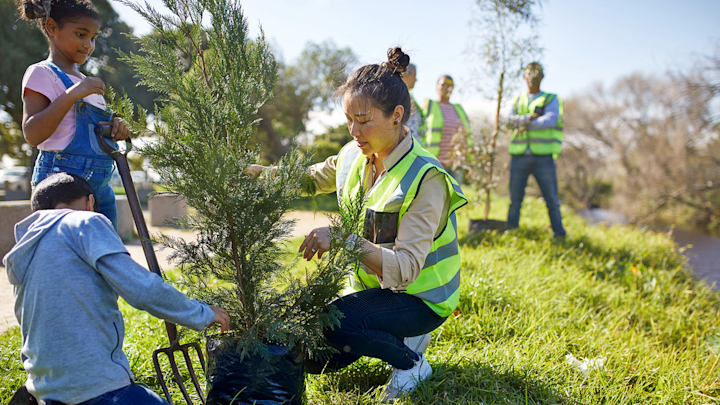
How to Find Volunteer Opportunities
Volunteering is a practical way to support causes you care about, learn new skills and connect with people in your community. Whether you have a few hours to spare or can make a regular commitment, there are many ways to contribute to healthier, more sustainable places to live and work.
Choose a cause that matters to you
Start by thinking about the issues you would like to support. You might be interested in public health, the built environment, sustainability, research or community wellbeing. Choosing a cause that feels meaningful can help you find a role you enjoy and are more likely to stick with.
Consider what you can offer
Volunteer roles suit a wide range of interests and experience. Some need specialist knowledge; others simply call for enthusiasm, reliability and a willingness to learn. Depending on the organisation and its needs, opportunities may include:
- Helping with events, talks or community activities
- Sharing research and information with wider audiences
- Supporting communications, writing or social media
- Contributing professional skills, such as design, data analysis or administration
- Taking part in local projects or public engagement
Think about the time you can commit, whether you would prefer to volunteer in person or remotely, and any skills you would like to develop.
Where to look for opportunities
Start with organisations whose work you value. Check their websites and social media for volunteer roles, project updates and event announcements. You can also contact them directly to ask whether they welcome volunteers, even if no current vacancies are listed.
Local volunteer centres, community groups, universities and professional networks can also help you find suitable roles. When searching online, use specific terms such as “community health volunteer”, “environmental research volunteer” or “public engagement volunteer”, alongside your location.
Ask the right questions
Before accepting a role, find out what the work involves and what support is available. Ask about the expected time commitment, training, supervision, expenses and whether the opportunity is suitable for your experience. A clear understanding from the outset helps make the experience positive for both you and the organisation.
Explore volunteering connected with health and the environment
Research and action on health-supporting environments benefit from public interest, local knowledge and collaboration. If you are interested in this area, look for ways to support research organisations, community initiatives and educational events. You could also contact the Coalition for Health Environments Research to enquire about relevant opportunities and ways to stay informed.
Take the first step
You do not need to wait until you have lots of free time or specialist experience. Begin by identifying a cause, exploring organisations working in that area and getting in touch to discuss how you might help. Even a small contribution can support valuable work and help build stronger, healthier communities.
Top 5 Tips for Discovering Volunteer Opportunities in Your Area
- Search local council and charity websites for opportunities.
- Use volunteer-matching websites to explore roles nearby.
- Ask community centres, libraries and schools about local projects.
- Choose a cause and time commitment that suit you.
- Contact organisations directly to ask about current openings.
Search local council and charity websites for opportunities.
Check your local council’s website and the websites of charities in your area to find current volunteering opportunities. They may list roles supporting community projects, local events, environmental initiatives or people who need extra help. If you cannot find a suitable vacancy, contact the organisation directly to ask whether it welcomes volunteers.
Use volunteer-matching websites to explore roles nearby.
Use volunteer-matching websites to explore roles nearby and find opportunities that fit your interests, skills and availability. You can often filter listings by location, cause, time commitment and whether the role is in person or remote. Read each description carefully, check what training or support is provided, and contact the organisation if you have questions before applying.
Ask community centres, libraries and schools about local projects.
Community centres, libraries and schools are great places to discover volunteer opportunities close to home. Ask staff about local projects, events or groups that could use an extra pair of hands, such as reading programmes, community gardens or wellbeing activities. They may also be able to put you in touch with other organisations looking for volunteers.
Choose a cause and time commitment that suit you.
Choose a cause you genuinely care about, as this can make volunteering more rewarding and help you stay involved. Be realistic about the time you can offer, too: some roles need a regular weekly commitment, while others involve a one-off event or occasional tasks. Finding an opportunity that fits both your interests and availability makes it easier to contribute consistently.
Contact organisations directly to ask about current openings.
Contact organisations directly to ask about current volunteer openings, even if no roles are advertised. A brief email introducing yourself, explaining your interests and outlining the time or skills you can offer can help them identify a suitable opportunity. They may also be able to let you know about upcoming projects or keep your details on file for future roles.