
Zoltán Kodály: The Composer Who Transformed Music Education
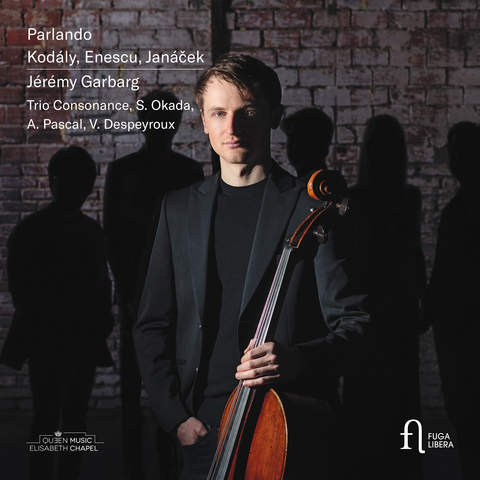
Zoltán Kodály: composer, scholar and music educator
Zoltán Kodály (16 December 1882–6 March 1967) was a Hungarian composer, ethnomusicologist and influential music educator. He is remembered both for works inspired by Hungarian folk music and for an approach to music education that has shaped teaching around the world.
Early life and musical training
Kodály was born in Kecskemét, Hungary. His father was a railway official and an amateur musician, and music was part of family life. The family moved several times during Kodály’s childhood. He learnt violin, piano and other instruments, and began composing while still at school.
In 1900, he went to Budapest to study at the University of Budapest and the Academy of Music. He trained in composition and also studied Hungarian language and literature. This combination of interests helped shape his later work: he approached music not only as a composer, but also as a scholar concerned with the cultural life behind it.
Research into Hungarian folk music
In the early twentieth century, Kodály began collecting and studying Hungarian folk songs. In 1905, he travelled to villages to record songs from local singers, often using a phonograph. The following year, he met composer Béla Bartók, and the two men began a long collaboration in folk-music research.
Kodály and Bartók sought to document traditional music carefully and distinguish it from the popular songs and theatrical styles then often presented as “Hungarian”. Their research helped preserve a large body of musical material and influenced Kodály’s own compositions. Folk melodies, rhythms and modes became an important source of inspiration, although his music also reflects his formal training and a wide range of European influences.
Compositions
Kodály’s music is known for its vivid colours, lyrical melodies and close connection to Hungarian language and musical traditions. Among his best-known works are Psalmus Hungaricus (1923), written for choir and orchestra; the orchestral Dances of Galánta (1933); and Variations on a Hungarian Folk Song, also known as the Peacock Variations (1939).
His stage work Háry János (1926) tells the tall tales of a boastful old soldier. The opera is especially known in its orchestral suite, which includes the lively “Viennese Musical Clock”. Kodály also composed chamber music, including a sonata for solo cello, as well as numerous choral works. Choral singing held a special place in his musical thinking, and he wrote extensively for choirs of different abilities.
The Kodály approach to music education
Kodály believed that music education should be accessible to everyone and should begin early in life. He argued that singing was a natural starting point for learning music, and that children should encounter high-quality musical material from the beginning. He also placed great importance on folk songs, which connect musical learning with a community’s language and culture.
The approach commonly known as the Kodály method grew from these principles. It uses singing, listening, reading and writing to develop musical understanding, and may include tools such as movable-do solfège and hand signs. Kodály himself did not create a single fixed teaching system; educators in Hungary and elsewhere developed practical methods based on his ideas and writings.
Legacy
Kodály held senior roles in Hungary’s musical and cultural institutions, including serving as president of the International Folk Music Council. He continued to compose, teach and advocate for music education throughout his life. He died in Budapest in 1967.
His legacy spans several fields. As a composer, he helped bring Hungarian musical traditions into concert halls while creating works of lasting international appeal. As a researcher, he contributed to the systematic study and preservation of folk music. And as an educator, he inspired generations of teachers to treat musical literacy and participation as an essential part of every child’s education.
Zoltán Kodály: FAQs on His Nationality, Instruments, Legacy, Music Teaching Method and Pronunciation
- What nationality is Zoltan?
- What instruments did Zoltan Kodaly play?
- What was Zoltan Kodaly known for?
- What are the 5 principles of Kodály method?
- What is the Kodály method in music learning?
- How do you pronounce Kodály?
What nationality is Zoltan?
Zoltán Kodály was Hungarian. Born in Kecskemét in 1882, he became one of Hungary’s most celebrated composers, music scholars and educators. His work drew deeply on Hungarian folk music, which he helped collect and preserve.
What instruments did Zoltan Kodaly play?
Zoltán Kodály played several instruments, including the piano, violin and cello. He was particularly associated with the cello, for which he wrote notable works, including his Sonata for Solo Cello. He also sang in choirs, and his early experience as a performer helped shape his lifelong interest in music and music education.
What was Zoltan Kodaly known for?
Zoltán Kodály was a Hungarian composer, ethnomusicologist and music educator, best known for collecting and studying Hungarian folk music and weaving its melodies and rhythms into his compositions. He also inspired the Kodály approach to music education, which emphasises singing, musical literacy and making high-quality music learning accessible to everyone. His best-known works include Psalmus Hungaricus, Dances of Galánta and the orchestral suite from Háry János.
What are the 5 principles of Kodály method?
The five principles of the Kodály method are commonly described as: music education should be accessible to everyone; it should begin at an early age; singing should be the foundation of musical learning; folk music should serve as a musical “mother tongue”; and children should be taught music literacy through carefully sequenced, high-quality materials. Together, these principles aim to help learners develop musical understanding and confidence through active participation, rather than simply learning to perform by imitation.
What is the Kodály method in music learning?
The Kodály method is an approach to music education inspired by Hungarian composer and educator Zoltán Kodály. It aims to help everyone develop musical understanding through active music-making, especially singing, supported by listening, reading and writing music. Lessons often use folk songs and carefully sequenced activities, with tools such as movable-do solfège and hand signs to teach pitch and rhythm. There is no single fixed version of the method; teachers adapt its principles to their learners and setting.
How do you pronounce Kodály?
Kodály is pronounced roughly “KOH-dye”, with the stress on the first syllable. The “á” is a long “ah” sound, and the final “ly” is pronounced like the “y” in “yes”, not like “lee”.