
Understanding Psychological Well-being and How to Support It
Psychological Well-being: What It Means and How to Support It
Psychological well-being is more than simply feeling happy. It describes how people understand and manage their emotions, cope with everyday pressures, maintain relationships and find meaning in their lives. Well-being can change over time, and experiencing difficult emotions does not mean that someone is failing or unwell.
What contributes to psychological well-being?
Many aspects of life can influence psychological well-being. These include physical health, sleep, relationships, financial security, work or study, living conditions and access to supportive services. Personal experiences and circumstances also matter. There is no single formula for feeling well, and different people may find different kinds of support helpful.
Psychological well-being is not the same as the absence of mental health difficulties. Someone can live with anxiety, depression or another condition and still experience purpose, connection and moments of fulfilment. Equally, a person may struggle without having a diagnosis. Both experiences deserve understanding and support.
Everyday ways to support well-being
Small, manageable steps can help support emotional health. They are not a substitute for professional care when it is needed, but they may form part of a broader approach to well-being.
- Make time for connection. Speaking with a trusted friend, relative or colleague can reduce isolation and provide a different perspective.
- Build a steady routine. Regular meals, a consistent sleep schedule and breaks during the day can provide structure, particularly during stressful periods.
- Move in ways that feel manageable. Walking, stretching, gardening or other forms of movement may support mood and general health. The right activity is personal and does not need to be strenuous.
- Notice what is happening. Taking a moment to identify feelings, thoughts and sources of stress can make it easier to decide what might help. Writing things down may be useful for some people.
- Set realistic limits. Prioritising tasks, taking breaks and saying no where possible can help protect time and energy.
- Make room for enjoyment and meaning. Hobbies, time outdoors, cultural activities, caring for others or working towards a personal goal can contribute to a sense of purpose.
When extra support may help
Consider seeking support if distress persists, becomes harder to manage or starts to affect sleep, relationships, work, study or everyday activities. A conversation with a GP is one possible starting point in the UK. Depending on the circumstances, support may also be available through NHS services, a counsellor, an employer or education provider, or a trusted community organisation.
It can be difficult to ask for help, particularly when someone feels overwhelmed or believes they should cope alone. Speaking to another person is a practical step, not a sign of weakness. If the first source of support is not the right fit, another option may be available.
A shared responsibility
Psychological well-being is shaped not only by individual habits but also by the conditions in which people live, learn and work. Safe communities, supportive relationships, fair treatment and access to appropriate services all matter. Creating environments where people feel respected and able to seek help can benefit individuals and communities alike.
There is no single route to well-being. Progress may be gradual, and setbacks can happen. A compassionate approach—recognising personal needs, taking achievable steps and reaching out when necessary—can help people navigate life’s challenges and build a stronger foundation for psychological health.
Psychological Well-being: Six Frequently Asked Questions
- What is Carol Ryff’s psychological well-being theory?
- Why is psychological wellbeing important?
- What is psychological health and well-being?
- What is psychological well-being according to APA?
- What is physiology of well-being?
- What is psychosocial wellbeing?
What is Carol Ryff’s psychological well-being theory?
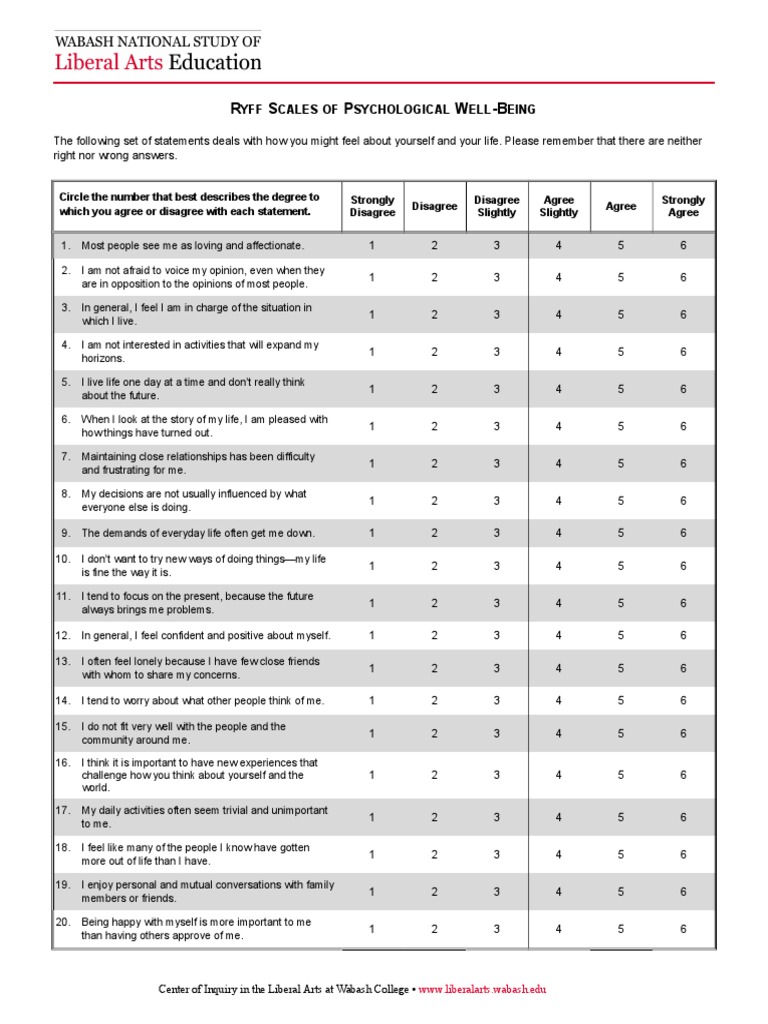
Carol Ryff’s psychological well-being theory describes well-being as more than happiness or the absence of distress; it focuses on living a meaningful, fulfilling life and functioning well. Her model identifies six dimensions: self-acceptance, positive relationships with others, autonomy, environmental mastery (managing life and surroundings effectively), purpose in life, and personal growth. Together, these dimensions offer a way to understand how people develop, make choices and find meaning throughout life.
Why is psychological wellbeing important?
Psychological well-being is important because it helps people manage stress, cope with life’s challenges and maintain supportive relationships. It can also influence physical health, decision-making and the ability to learn, work and take part in daily life. Well-being does not mean feeling happy all the time; it includes having the resources and support to experience difficult emotions and recover from setbacks. Helping people protect their psychological well-being can benefit individuals, families and communities.
What is psychological health and well-being?
Psychological health and well-being describe how we think, feel and cope with everyday life, including how we manage emotions and stress, build relationships, make choices and find meaning or purpose. They are not simply the absence of mental illness: someone can experience a mental health condition and still have periods of well-being. Psychological well-being can also change over time, influenced by personal circumstances, relationships, physical health and the environments in which we live and work.
What is psychological well-being according to APA?
The American Psychological Association (APA) describes well-being as a state of happiness and contentment, with low levels of distress and good physical and mental health. In psychological terms, it also involves how well a person is functioning—for example, managing everyday challenges, maintaining relationships and finding meaning in life. It does not mean feeling happy all the time or never experiencing mental health difficulties.
What is physiology of well-being?
The physiology of well-being refers to the ways the body’s systems support how we feel and function. The brain, nervous system and hormones help regulate mood, stress responses, sleep, energy and social connection, while physical factors such as movement, nutrition and rest can influence these processes. Well-being is not linked to one hormone or a single ideal body state; it emerges from many interacting biological, psychological and social factors, which can affect one another over time.
What is psychosocial wellbeing?
Psychosocial wellbeing describes how a person’s psychological health and social circumstances work together to shape their quality of life. It includes emotional wellbeing, confidence and a sense of purpose, as well as relationships, social support, safety and feeling able to participate in community life. Because these factors influence one another, supportive relationships and environments can strengthen wellbeing, while isolation, discrimination or prolonged stress may undermine it.