
Exploring the Dynamics of Closed Innovation in Today’s Business Landscape
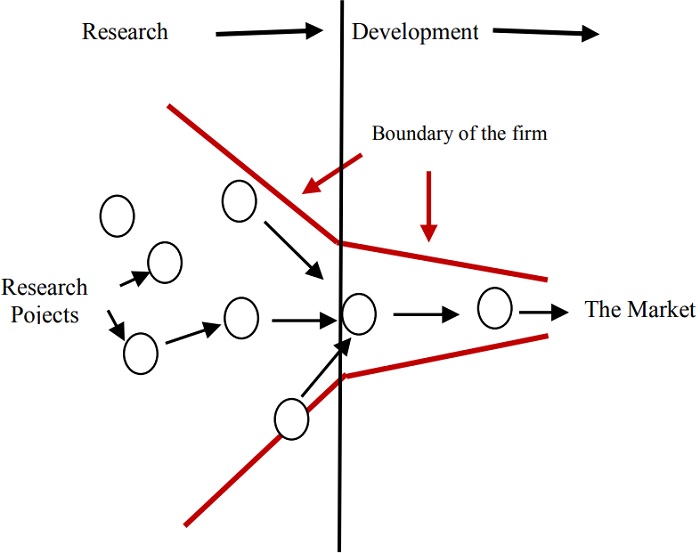
The Concept of Closed Innovation
Innovation is a critical driver of growth and success for businesses in today’s competitive landscape. One approach to innovation that has gained prominence is closed innovation. Closed innovation refers to the practice of keeping the innovation process internal to a company, relying on its own resources and capabilities to develop new products, services, or processes.
Unlike open innovation, which involves collaborating with external partners such as customers, suppliers, and research institutions, closed innovation focuses on leveraging the knowledge and expertise within the organisation itself. This approach is often preferred by companies that have well-established R&D departments and a strong culture of secrecy and confidentiality.
One of the key advantages of closed innovation is the ability to maintain full control over the innovation process. By keeping everything in-house, companies can protect their intellectual property and ensure that sensitive information remains confidential. This can be particularly important in industries where competition is fierce and where new ideas need to be shielded from rivals.
Another benefit of closed innovation is the potential for faster decision-making and streamlined communication. With all key stakeholders located within the company, it can be easier to align goals, allocate resources efficiently, and move projects forward swiftly. This can result in shorter development cycles and quicker time-to-market for innovative products or services.
However, there are also challenges associated with closed innovation. One major drawback is the risk of becoming too insular and missing out on valuable external perspectives and expertise. In a rapidly changing business environment, companies that rely solely on internal sources for innovation may struggle to adapt to new trends or technologies.
To mitigate this risk, some companies adopt a hybrid approach that combines elements of both closed and open innovation. By selectively engaging with external partners while still maintaining control over core activities, organisations can benefit from external insights while safeguarding their proprietary knowledge.
In conclusion, closed innovation remains a viable strategy for many companies seeking to drive continuous improvement and stay ahead of the competition. By leveraging internal resources effectively and maintaining a focus on confidentiality and speed-to-market, organisations can foster a culture of creativity and ingenuity that propels them towards long-term success.
Understanding Closed Innovation: Key Questions and Insights
- What is closed innovation?
- How does closed innovation differ from open innovation?
- What are the advantages of closed innovation?
- What are the disadvantages of closed innovation?
- How can companies implement a closed innovation strategy effectively?
- Is there a middle ground between closed and open innovation?
What is closed innovation?
Closed innovation refers to the strategic approach adopted by companies to keep their innovation processes internal, relying solely on their own resources, expertise, and capabilities to drive new product development and advancements. In contrast to open innovation, where collaboration with external partners is key, closed innovation emphasises the importance of maintaining control over intellectual property and sensitive information within the organisation. By harnessing internal knowledge and talents, companies practicing closed innovation aim to protect their innovations, streamline decision-making processes, and accelerate time-to-market for new offerings while minimising the risk of exposing proprietary ideas to competitors.
How does closed innovation differ from open innovation?
Closed innovation differs from open innovation in its approach to the innovation process. Closed innovation involves keeping the entire innovation process internal to a company, relying solely on its own resources and capabilities for developing new ideas and products. In contrast, open innovation involves collaborating with external partners, such as customers, suppliers, and research institutions, to access a broader pool of knowledge and expertise. While closed innovation prioritises confidentiality and control over intellectual property within the organisation, open innovation emphasises sharing ideas and resources with external entities to foster creativity and drive innovation through collaboration. Both approaches have their benefits and challenges, with closed innovation focusing on internal efficiency and control, while open innovation seeks to leverage external insights for greater competitive advantage.
What are the advantages of closed innovation?
When considering the advantages of closed innovation, one key benefit is the ability for companies to maintain strict control over their innovation processes. By keeping all activities internal and leveraging their own resources and expertise, organisations can safeguard their intellectual property and confidential information. This level of control not only helps protect valuable ideas from competitors but also allows for a more focused and streamlined approach to innovation. Additionally, closed innovation can lead to faster decision-making, efficient resource allocation, and shorter development cycles, ultimately enabling companies to bring new products or services to market more quickly and effectively.
What are the disadvantages of closed innovation?
When considering the disadvantages of closed innovation, one key aspect to highlight is the potential for limited access to external knowledge and expertise. By relying solely on internal resources and ideas, companies practicing closed innovation may miss out on valuable insights, fresh perspectives, and innovative solutions that could be obtained through collaboration with external partners. This insular approach can lead to a lack of diversity in thinking, potentially hindering creativity and inhibiting the ability to adapt to rapidly changing market dynamics. Additionally, the risk of being too internally focused may result in a slower pace of innovation compared to organisations that embrace open innovation practices, where ideas flow more freely across boundaries.
How can companies implement a closed innovation strategy effectively?
Implementing a closed innovation strategy effectively requires companies to first establish a robust internal framework that fosters creativity, collaboration, and knowledge sharing among employees. It is crucial to invest in R&D capabilities, encourage cross-functional teams, and provide resources for experimentation and idea generation within the organisation. Additionally, clear communication channels and well-defined processes for evaluating and prioritising innovative ideas are essential to ensure that promising concepts are developed into tangible outcomes. Companies should also cultivate a culture that values risk-taking and continuous learning, empowering employees to explore new possibilities while adhering to the company’s strategic objectives. By aligning internal resources with innovation goals and creating an environment conducive to creativity and problem-solving, companies can effectively implement a closed innovation strategy that drives sustainable growth and competitive advantage.
Is there a middle ground between closed and open innovation?
In the realm of innovation strategies, the question of whether a middle ground exists between closed and open innovation is a common one. Many businesses grapple with finding the right balance between harnessing internal resources and tapping into external expertise. The concept of a hybrid approach, blending elements of both closed and open innovation, has emerged as a compelling solution. By selectively collaborating with external partners while retaining control over core innovation processes, companies can combine the benefits of internal creativity and external insights. This middle ground allows organisations to adapt to changing market dynamics, leverage diverse perspectives, and drive sustainable innovation that propels them towards growth and success.