
Exploring the Significance of Literature Search in Academic Inquiry
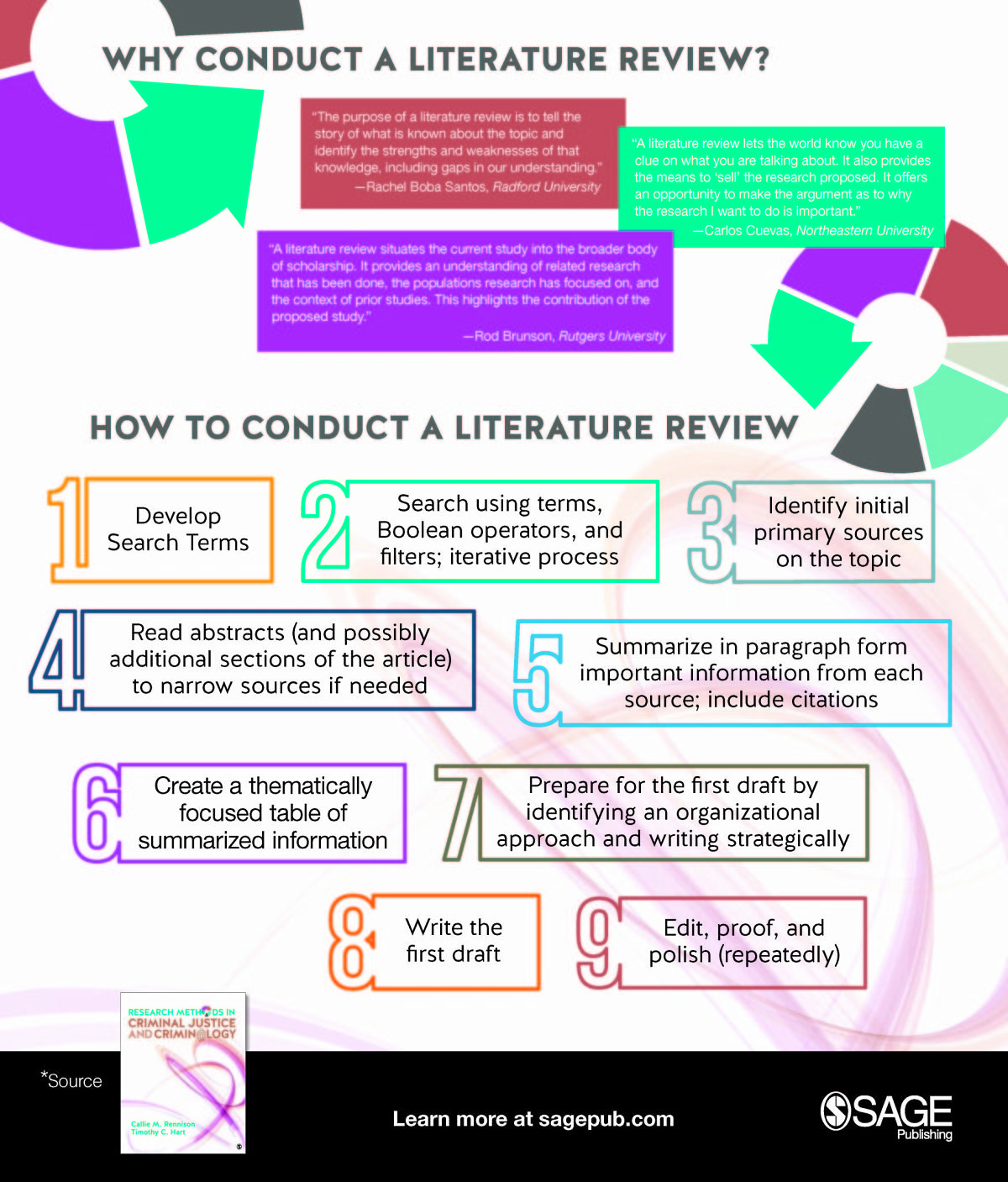
The Importance of Literature Search in Academic Research
Conducting a thorough literature search is a crucial step in any academic research endeavour. It involves systematically exploring existing published work related to the topic of study to gain a comprehensive understanding of the subject matter.
By engaging in literature search, researchers can:
- Identify gaps in current knowledge: Reviewing existing literature helps researchers identify areas that have not been extensively studied or where conflicting findings exist, paving the way for new research opportunities.
- Build on existing knowledge: Understanding the background and context provided by previous studies allows researchers to build on existing theories, methodologies, and findings, contributing to the advancement of their field.
- Evaluate methodologies and approaches: Literature search enables researchers to evaluate different research methodologies and approaches used by previous studies, helping them make informed decisions about their own research design.
- Support arguments and claims: Referencing relevant literature strengthens the credibility of research findings and provides a solid foundation for arguments and claims made in academic papers.
- Avoid duplication: By reviewing existing literature, researchers can avoid duplicating studies that have already been conducted, saving time and resources.
In today’s digital age, conducting a literature search has become more accessible than ever. Online databases, academic journals, libraries, and search engines provide researchers with a wealth of information at their fingertips. However, it is essential to employ effective search strategies, critically evaluate sources, and cite references accurately to ensure the quality and integrity of research.
In conclusion, literature search plays a fundamental role in shaping the direction and quality of academic research. By delving into existing knowledge and building upon it, researchers can contribute meaningfully to their field of study and enhance the overall body of scholarship.
Essential FAQs for Conducting an Effective Literature Search in Academic Research
- What is a literature search?
- Why is literature search important in academic research?
- How do I conduct a literature search effectively?
- What are the best databases and sources for conducting a literature search?
- How can I avoid plagiarism when conducting a literature search?
- Is it necessary to include all relevant literature in my research paper?
- How do I critically evaluate the sources found during a literature search?
- What tools or software can assist me in organising and managing my literature search results?
What is a literature search?
A literature search is a systematic process of exploring and reviewing existing published works, such as academic papers, articles, books, and other sources, related to a specific topic or research question. It involves searching databases, libraries, and online resources to gather relevant information that can provide background knowledge, support arguments, identify gaps in existing research, and guide the direction of a new study. Conducting a literature search is essential for researchers to build upon existing knowledge, avoid duplication of efforts, and ensure the credibility and rigour of their academic work.
Why is literature search important in academic research?
Conducting a thorough literature search is paramount in academic research for several reasons. Firstly, it allows researchers to identify gaps in current knowledge and pinpoint areas that warrant further investigation. By building on existing literature, researchers can contribute to the advancement of their field and develop a more comprehensive understanding of the subject matter. Literature search also enables researchers to evaluate different methodologies, support their arguments with credible sources, and avoid duplicating studies that have already been conducted. Ultimately, a rigorous literature search enhances the quality and credibility of academic research by providing a solid foundation of knowledge on which new insights and discoveries can be built.
How do I conduct a literature search effectively?
When it comes to conducting a literature search effectively, there are several key steps to follow. Firstly, clearly define your research question or topic to guide your search. Next, identify relevant keywords and phrases related to your topic and use them when searching in online databases, academic journals, and libraries. It is important to use advanced search techniques such as Boolean operators (AND, OR, NOT) to refine your search results. Additionally, critically evaluate the sources you find to ensure their credibility and relevance to your research. Keep track of the sources you review and consider using reference management tools to organise your citations. Finally, stay organised, be persistent, and be open to exploring different sources and perspectives to conduct a comprehensive literature search effectively.
What are the best databases and sources for conducting a literature search?
When embarking on a literature search, researchers often inquire about the best databases and sources to utilise for comprehensive and relevant information. Some of the most commonly recommended databases include PubMed, Scopus, Web of Science, and Google Scholar. These platforms offer access to a vast array of scholarly articles, journals, conference papers, and other publications across various disciplines. Additionally, academic libraries, institutional repositories, and specialised online archives can also serve as valuable sources for conducting a thorough literature search. Researchers are encouraged to explore multiple databases and sources to ensure a comprehensive review of existing literature related to their research topic.
How can I avoid plagiarism when conducting a literature search?
When conducting a literature search, it is essential to take proactive measures to avoid plagiarism. One effective way to achieve this is by carefully documenting the sources you consult and ensuring that you accurately cite them in your work. By paraphrasing information in your own words and providing proper attribution to the original authors through citations, you can demonstrate academic integrity and respect intellectual property rights. Additionally, using quotation marks for direct quotes and referencing all sources used in your research can help prevent unintentional plagiarism. Embracing good citation practices and understanding the conventions of academic writing are key steps in safeguarding against plagiarism during the literature search process.
Is it necessary to include all relevant literature in my research paper?
When considering whether to include all relevant literature in a research paper, it is important to strike a balance between breadth and depth. While it is not always feasible or necessary to incorporate every single piece of relevant literature, citing key studies, seminal works, and current research findings can provide a solid foundation for your arguments and enhance the credibility of your paper. Selectively choosing high-quality and influential sources that directly contribute to your research topic can demonstrate a thorough understanding of the field while also allowing you to focus on the most significant contributions to the existing body of knowledge. Ultimately, the aim is to integrate relevant literature that enriches and supports your research without overwhelming the reader with an exhaustive list of references.
How do I critically evaluate the sources found during a literature search?
When conducting a literature search, it is essential to critically evaluate the sources you find to ensure the reliability and relevance of the information. To evaluate sources effectively, consider factors such as the author’s credibility and expertise in the field, the publication date to determine currency, the objectivity and bias of the source, and whether the research methods used are sound and appropriate for your study. Additionally, assess the source’s reputation, peer review status, and relevance to your research topic. By critically evaluating sources during a literature search, you can make informed decisions about which materials to include in your study and uphold the quality and integrity of your research.
What tools or software can assist me in organising and managing my literature search results?
When it comes to organising and managing literature search results, there are several tools and software options available to assist researchers in staying organised and efficient. Reference management tools like EndNote, Mendeley, and Zotero are popular choices that allow users to store, organise, and cite references in their research papers. These tools offer features such as keyword tagging, annotation capabilities, and integration with academic databases to streamline the literature search process. Additionally, online platforms like Google Scholar and PubMed provide access to vast databases of scholarly articles and offer tools for saving and organising search results for easy retrieval. By utilising these tools effectively, researchers can enhance their productivity and ensure that their literature search results are well-organised and accessible for future reference.