
Exploring the Journey of a Postdoctoral Researcher in Academia
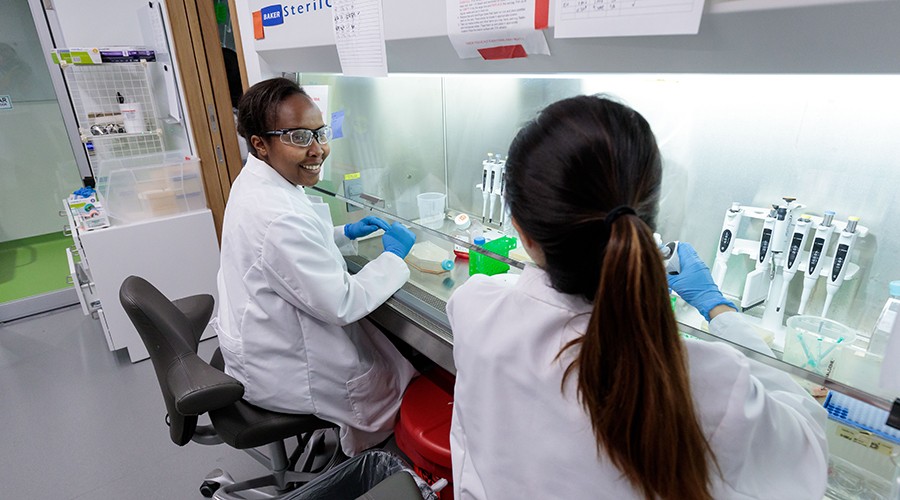
The Role of a Postdoctoral Researcher in Academia
Postdoctoral researchers play a crucial role in the academic world, bridging the gap between completing a doctoral degree and potentially pursuing a faculty position or other career paths. These individuals are highly trained scholars who work closely with established academics on research projects, gaining valuable experience and contributing to the advancement of knowledge in their field.
Responsibilities of a Postdoctoral Researcher
Postdoctoral researchers typically engage in a range of activities, including:
- Conducting research under the supervision of a principal investigator or senior faculty member
- Writing research papers and reports for publication in academic journals
- Presenting findings at conferences and seminars
- Mentoring graduate and undergraduate students
- Applying for research grants and funding opportunities
- Collaborating with other researchers within and outside their institution
Benefits of Being a Postdoctoral Researcher
While the postdoctoral period can be challenging due to its temporary nature and competitive environment, it also offers numerous benefits, including:
- Opportunities to develop new research skills and expertise
- Networking with leading scholars in the field
- Gaining independence as a researcher while still benefiting from mentorship
- Potential for co-authorship on high-impact publications
- Enhancing one’s academic CV and increasing competitiveness for future career opportunities
Career Paths After Postdoctoral Research
Many postdoctoral researchers go on to secure tenure-track faculty positions at universities or pursue careers in industry, government, or non-profit organizations. The experience gained during the postdoc period is highly valued by employers across various sectors, highlighting the versatility and transferability of skills acquired during this time.
In conclusion, postdoctoral researchers play a vital role in advancing research and scholarship within academia. Their dedication, expertise, and contributions help shape the future of their respective fields while preparing them for successful careers beyond their postdoc appointment.
Understanding Postdoctoral Researchers: Roles, Duration, Benefits, Career Paths, and Entry Requirements
- What is a postdoctoral researcher?
- What are the responsibilities of a postdoctoral researcher?
- How long does a postdoctoral research position typically last?
- What are the benefits of being a postdoctoral researcher?
- What career paths can postdoctoral researchers pursue after their appointment?
- How can one become a postdoctoral researcher?
What is a postdoctoral researcher?
A postdoctoral researcher is a highly trained scholar who has completed their doctoral degree and engages in advanced research activities within academia or other research institutions. Postdoctoral researchers work under the supervision of established academics, contributing to ongoing research projects, publishing scholarly articles, presenting findings at conferences, and mentoring students. This transitional period allows postdocs to further develop their research skills, gain valuable experience, and enhance their academic credentials before potentially pursuing a faculty position or other career opportunities in their field of expertise.
What are the responsibilities of a postdoctoral researcher?
The responsibilities of a postdoctoral researcher encompass a diverse range of tasks that contribute to the advancement of knowledge and research within academia. These individuals typically work under the guidance of a principal investigator or senior faculty member, conducting in-depth research, analysing data, and writing scholarly papers for publication in academic journals. Additionally, postdoctoral researchers often present their findings at conferences and seminars, mentor graduate and undergraduate students, collaborate with fellow researchers, apply for research grants, and contribute to the overall academic community through their expertise and dedication to their field of study.
How long does a postdoctoral research position typically last?
A postdoctoral research position typically lasts for a period of one to three years, although the duration can vary depending on the specific field of study, funding availability, and individual circumstances. Some postdocs may be extended for an additional year or more, especially if there are opportunities for further research or collaboration. It is important for postdoctoral researchers to discuss the expected duration of their position with their supervisor or principal investigator to ensure clarity and alignment on project timelines and career development goals.
What are the benefits of being a postdoctoral researcher?
There are numerous benefits to being a postdoctoral researcher. Firstly, this role offers the opportunity to develop new research skills and expertise through hands-on experience in conducting cutting-edge research projects. Secondly, postdocs have the chance to network with established scholars in their field, building valuable connections for future collaborations and career opportunities. Additionally, working as a postdoctoral researcher allows individuals to gain independence as researchers while still benefiting from mentorship from experienced academics. Furthermore, co-authoring publications on high-impact research findings during this period enhances one’s academic profile and increases competitiveness for future career prospects. Overall, being a postdoctoral researcher provides a platform for personal and professional growth, paving the way for a successful career trajectory in academia or other sectors.
What career paths can postdoctoral researchers pursue after their appointment?
Postdoctoral researchers have a diverse range of career paths available to them after completing their appointment. While many postdocs aspire to secure tenure-track faculty positions at universities, others may choose to pursue careers in industry, government, non-profit organizations, or research institutes. Some postdoctoral researchers transition into roles such as research scientists, project managers, consultants, science communicators, or policy analysts. The experience gained during the postdoc period equips individuals with valuable skills in research, critical thinking, problem-solving, and project management that are highly transferable across different sectors. Ultimately, the career path chosen by a postdoctoral researcher often reflects their interests, goals, and aspirations for making a meaningful impact in their field of expertise.
How can one become a postdoctoral researcher?
To become a postdoctoral researcher, individuals typically need to have completed a doctoral degree in their field of study. After obtaining a PhD or equivalent qualification, aspiring postdocs can seek out postdoctoral positions advertised by universities, research institutions, or funding agencies. It is common for postdoctoral researchers to work under the supervision of a senior academic or principal investigator on specific research projects. Networking within the academic community, attending conferences, and building a strong publication record during their doctoral studies can also enhance one’s chances of securing a postdoc position. Additionally, demonstrating research expertise, passion for the subject matter, and alignment with the goals of the research project are crucial factors that can help individuals become successful postdoctoral researchers.