
Exploring 10 Types of Innovation Examples: Inspiring Ideas for Progress
10 Types of Innovation Examples
Innovation is the driving force behind progress in various industries. It involves introducing new ideas, products, or processes that bring about significant improvements. Here are ten types of innovation with examples to illustrate how they transform industries and improve lives.
Product Innovation
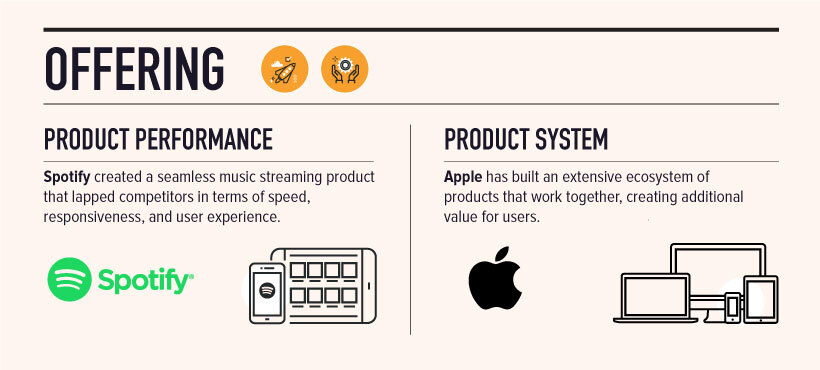
Product innovation refers to the development of new products or the improvement of existing ones. A classic example is Apple’s introduction of the iPhone, which revolutionised mobile communication by combining a phone, an iPod, and an internet communicator into one device.
Process Innovation
This type of innovation involves changes in the way products or services are created or delivered. Toyota’s implementation of the Just-In-Time (JIT) manufacturing process is a prime example, significantly improving efficiency and reducing waste in production lines.
Business Model Innovation
Business model innovation occurs when a company changes its way of capturing value within its industry. Netflix exemplifies this by shifting from a DVD rental service to a streaming platform, altering how people consume media content.
Service Innovation
This type focuses on enhancing customer service experiences or creating new services altogether. Uber’s ride-sharing service transformed urban transportation by offering a convenient alternative to traditional taxi services through a user-friendly app.
Technological Innovation
Technological innovation involves advancements in technology that lead to new products or processes. The development of blockchain technology has paved the way for cryptocurrencies like Bitcoin, changing how digital transactions are conducted globally.
Organisational Innovation
This type pertains to changes in business practices, workplace organisation, or external relations. Google’s implementation of flexible work environments and 20% “innovation time off” encourages employees to pursue creative projects that can lead to breakthrough ideas.
Marketing Innovation
Marketing innovation involves novel strategies for promoting products or brands effectively. Coca-Cola’s “Share a Coke” campaign personalised bottles with names, engaging customers and boosting sales through targeted marketing.
Supply Chain Innovation
This type focuses on improving supply chain operations for greater efficiency and effectiveness. Zara’s fast fashion model exemplifies this by using real-time data analysis to adapt quickly to fashion trends and optimise inventory management.
Social Innovation
Social innovation addresses social needs with novel solutions that improve societal well-being. The microfinance model pioneered by Grameen Bank provides small loans to entrepreneurs in developing countries, empowering communities economically.
Sustainable Innovation
Sustainable innovation aims at developing eco-friendly solutions that reduce environmental impact while maintaining economic growth.
Tesla’s electric vehicles represent sustainable innovation by offering an alternative
to fossil fuel-powered cars without compromising performance.
The diverse types of innovation demonstrate how creativity and ingenuity can drive change across various sectors.
By understanding these examples,
businesses can identify opportunities for growth
and remain competitive in an ever-evolving marketplace.
Innovation not only leads
to commercial success but also contributes
to solving global challenges,
enhancing quality
of life worldwide.
Exploring the Eight Advantages of Innovation Across Ten Diverse Examples
- Innovation drives progress and growth in industries.
- Product innovation leads to the development of new and improved products.
- Process innovation enhances efficiency and reduces waste in production.
- Business model innovation enables companies to capture value in new ways.
- Service innovation improves customer experiences and creates new service offerings.
- Technological innovation results in advancements that lead to new products and processes.
- Organisational innovation fosters a culture of creativity and employee engagement.
- Marketing innovation helps businesses effectively promote their products or brands.
Challenges of Innovation: Navigating Complexity, Resistance, Risk, and Saturation
Innovation drives progress and growth in industries.
Innovation serves as a catalyst for progress and growth within industries by sparking creativity, driving change, and fostering continuous improvement. Through the introduction of new ideas, products, processes, and business models, innovation enables businesses to adapt to evolving market demands, stay ahead of competitors, and meet the needs of customers more effectively. By embracing innovation, industries can unlock new opportunities for expansion, enhance efficiency and productivity, and ultimately drive economic growth. Embracing a culture of innovation not only propels individual companies forward but also contributes to the advancement of entire industries and economies as they strive towards a brighter and more prosperous future.
Product innovation leads to the development of new and improved products.
Product innovation plays a crucial role in driving progress and meeting the evolving needs of consumers. By focusing on the development of new and improved products, companies can stay competitive in the market, attract new customers, and retain existing ones. Through product innovation, businesses can introduce cutting-edge technologies, enhanced features, and innovative designs that set them apart from their competitors. This proactive approach not only boosts sales and profitability but also fosters a culture of creativity and continuous improvement within the organization.
Process innovation enhances efficiency and reduces waste in production.
Process innovation plays a crucial role in enhancing operational efficiency and minimising wastage within production processes. By reimagining and streamlining how products or services are created and delivered, organisations can significantly improve their productivity, reduce costs, and enhance overall quality. Implementing innovative processes not only boosts efficiency but also contributes to sustainable practices by reducing environmental impact through reduced resource consumption and waste generation. Embracing process innovation allows businesses to stay competitive in dynamic markets while demonstrating a commitment to continuous improvement and excellence in operations.
Business model innovation enables companies to capture value in new ways.
Business model innovation is a powerful proponent of organisational success as it empowers companies to reimagine how they capture and deliver value within their respective industries. By embracing new approaches to generating revenue and serving customers, businesses can unlock fresh opportunities for growth and differentiation. This type of innovation allows companies to adapt to changing market dynamics, stay ahead of competitors, and meet evolving customer needs more effectively. Ultimately, business model innovation serves as a catalyst for sustainable business development and long-term success by enabling companies to create unique value propositions that resonate with their target audience.
Service innovation improves customer experiences and creates new service offerings.
Service innovation plays a crucial role in enhancing customer experiences and introducing novel service offerings to meet evolving consumer needs. By focusing on improving the way services are delivered and experienced, companies can differentiate themselves in the market, build customer loyalty, and attract new clientele. Whether it’s through the introduction of user-friendly digital platforms, personalised services, or innovative delivery methods, service innovation not only enriches customer interactions but also drives business growth by staying ahead of competitors and adapting to changing market demands.
Technological innovation results in advancements that lead to new products and processes.
Technological innovation plays a crucial role in driving progress by fostering advancements that give rise to novel products and processes. Through continuous research, development, and implementation of cutting-edge technologies, companies can create innovative solutions that cater to evolving consumer needs and market demands. From the introduction of groundbreaking inventions like smartphones and artificial intelligence to the refinement of existing systems through automation and data analytics, technological innovation opens up new possibilities for enhancing efficiency, productivity, and overall quality in various industries. By embracing technological innovation, organisations can stay competitive, drive growth, and shape the future of their respective sectors.
Organisational innovation fosters a culture of creativity and employee engagement.
Organisational innovation plays a crucial role in fostering a culture of creativity and employee engagement within a company. By implementing innovative practices in business processes, workplace organisation, and external relations, organisations can empower their employees to think outside the box, experiment with new ideas, and contribute to the company’s growth and success. This type of innovation encourages a collaborative environment where employees feel motivated to share their innovative solutions, take risks, and actively participate in shaping the future of the organisation. Ultimately, organisational innovation not only drives efficiency and productivity but also nurtures a dynamic work culture that values creativity, continuous learning, and employee satisfaction.
Marketing innovation helps businesses effectively promote their products or brands.
Marketing innovation plays a crucial role in helping businesses effectively promote their products or brands. By implementing novel strategies and creative approaches to marketing, companies can capture the attention of their target audience, differentiate themselves from competitors, and build strong brand awareness. Whether through personalised campaigns, interactive experiences, or social media engagement, marketing innovation enables businesses to connect with consumers in meaningful ways and drive sales growth. Embracing new marketing techniques and staying ahead of trends can give companies a competitive edge in the dynamic marketplace.
Complexity
The complexity associated with implementing multiple types of innovation simultaneously can pose a significant challenge for organisations. It demands a careful balance of resources, expertise, and coordination across various departments. Managing the intricacies of diverse innovation initiatives can strain operational efficiency and project timelines. Companies must invest in robust project management strategies and cultivate a culture that embraces change to navigate the complexities effectively. Despite the hurdles, successfully executing multifaceted innovation efforts can yield substantial rewards in terms of competitive advantage and long-term growth.
Resistance to Change
Resistance to change is a common con when introducing new innovations across different types. Employees and customers who are accustomed to existing processes or products may resist the implementation of new ideas. This resistance can stem from fear of the unknown, concerns about job security, or simply a preference for familiarity. Overcoming this resistance requires effective communication, training, and a supportive organisational culture that values innovation and encourages adaptability. By addressing resistance proactively and involving stakeholders in the innovation process, businesses can navigate through challenges and successfully implement transformative changes that drive growth and competitiveness in the long run.
Risk of Failure
Innovation, while crucial for progress and growth, comes with the inherent risk of failure. The uncertainty surrounding new ideas and ventures means that not all innovative initiatives will be successful. This risk of failure can result in wasted time, effort, and investment for businesses and individuals alike. Despite the potential setbacks, embracing innovation requires a willingness to take calculated risks and learn from both successes and failures to continue pushing boundaries and driving positive change in various industries.
Market Saturation
In highly competitive industries, rapid innovation can sometimes result in market saturation, where a multitude of similar products or services flood the market. This abundance of offerings can make it increasingly difficult for new innovations to distinguish themselves and capture the attention of consumers. Market saturation poses a significant challenge for businesses seeking to introduce novel ideas, as they must find unique ways to differentiate their offerings and create value in order to succeed amidst intense competition and a crowded marketplace.