
Why a Conference on Education Matters
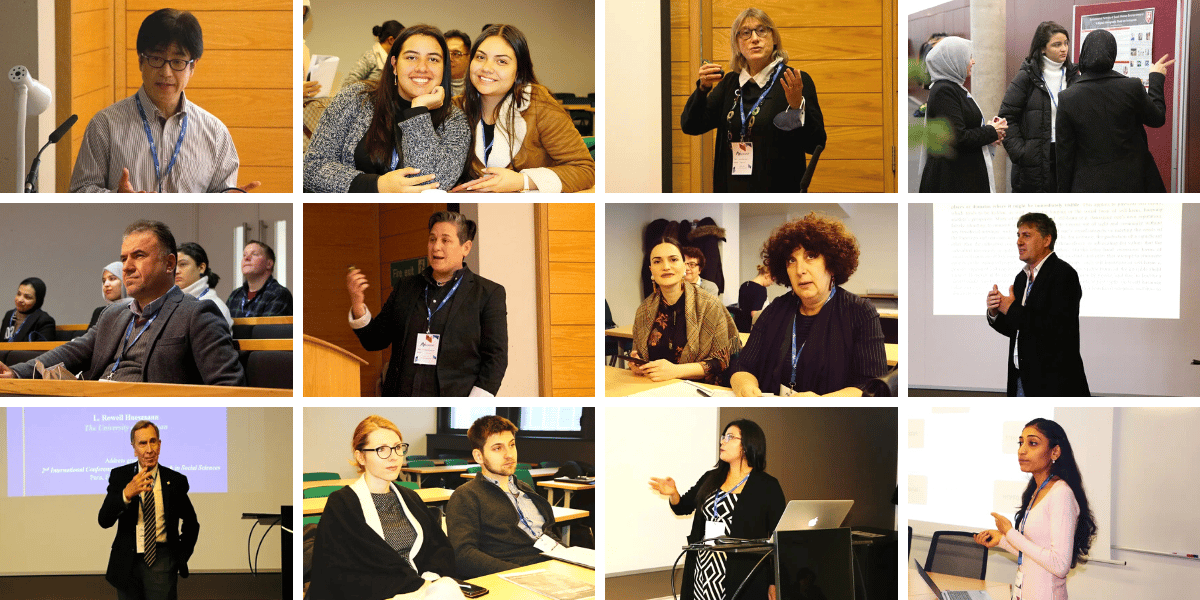
Why Conferences on Education Matter
Education is constantly evolving. New research, changing technologies and the needs of diverse learners all influence how teaching and learning take place. A conference on education brings together teachers, researchers, school leaders, policymakers and other professionals to explore these developments and share ideas.
A space for sharing knowledge
Education conferences offer opportunities to hear about research, practical experience and new approaches to learning. Presentations and panel discussions can examine topics such as inclusive teaching, curriculum design, student wellbeing, assessment and the responsible use of technology.
Hearing different perspectives can help participants understand how challenges are being addressed in other schools, communities and education systems. It can also encourage fresh thinking about familiar issues.
Turning ideas into practice
The value of a conference is not limited to the sessions themselves. Workshops and demonstrations can give attendees the chance to explore approaches they may be able to adapt in their own settings. A discussion about digital learning, for example, might prompt educators to consider how technology can support participation without replacing meaningful interaction.
Not every idea will suit every classroom or institution. The most useful conversations consider the context in which a strategy was developed, the evidence behind it and the needs of the learners it is intended to serve.
Building professional connections
Conferences also create space for people working in education to meet and build professional relationships. Informal conversations can lead to shared projects, mentoring, research partnerships or the exchange of resources. Connecting with colleagues beyond one’s usual workplace can help reduce isolation and broaden professional networks.
Making conferences accessible and inclusive
A successful education conference should reflect the values it promotes. Clear communication, accessible venues and materials, varied ways to participate and attention to different perspectives can help more people take part. Organisers can also consider affordability, caring responsibilities and options for remote attendance.
Inclusion is not simply a matter of representation. It involves listening to participants and making room for people whose experiences are often underrepresented in discussions about education.
Taking learning beyond the event
To make the most of a conference, attendees can identify a few questions they hope to explore, take notes on ideas that are relevant to their work and follow up with people they meet. After the event, sharing key insights with colleagues can help turn individual learning into wider professional development.
A conference cannot solve every challenge facing education, but it can create the conditions for thoughtful discussion and collaboration. By bringing people together to examine evidence, exchange experiences and consider new possibilities, education conferences can contribute to more responsive and effective learning environments.
Education Conferences 2025–2026: Frequently Asked Questions
- What is the lice 2025 conference?
- What are some upcoming education events in 2026?
- What is conferencing in education?
- What is the largest education conference in the world?
- Where is AIed 2026?
What is the lice 2025 conference?
The LICE 2025 conference refers to the London International Conference on Education, an academic event for educators, researchers and other professionals to share research and discuss developments in teaching and learning. Its programme typically includes presentations and discussions on a range of educational topics. For confirmed dates, venue and submission details, consult the conference’s official website.
What are some upcoming education events in 2026?
Education events in 2026 include conferences, exhibitions and professional-development workshops covering teaching practice, educational technology, inclusion and policy. Dates and venues vary, and many major annual events take place earlier in the year, so for events still to come, check the organisers’ official websites and current education-event listings for confirmed details, registration deadlines and online attendance options.
What is conferencing in education?
Conferencing in education is a planned conversation between a learner and a teacher, or between a teacher and a parent or carer, to discuss progress, strengths, challenges and next steps. It may take place face to face or online and can support goal-setting, feedback and shared decision-making. Unlike a formal presentation, an educational conference is usually interactive, giving participants the opportunity to ask questions, share perspectives and agree on practical ways to support learning.
What is the largest education conference in the world?
There is no universally recognised “largest education conference in the world”, as rankings depend on whether they measure attendance, the number of countries represented or the event’s particular focus. Large international gatherings include Bett, which focuses on education technology, and the American Educational Research Association’s annual meeting, which centres on research. The best choice depends on your interests, location and the kind of professionals you hope to meet.
Where is AIed 2026?
The venue for AIED 2026—the International Conference on Artificial Intelligence in Education—should be confirmed on the conference’s official website. Check there for the latest location, dates and travel information before making arrangements.