
Exploring the Montessori Preschool Approach: Nurturing Young Minds with Creativity and Independence
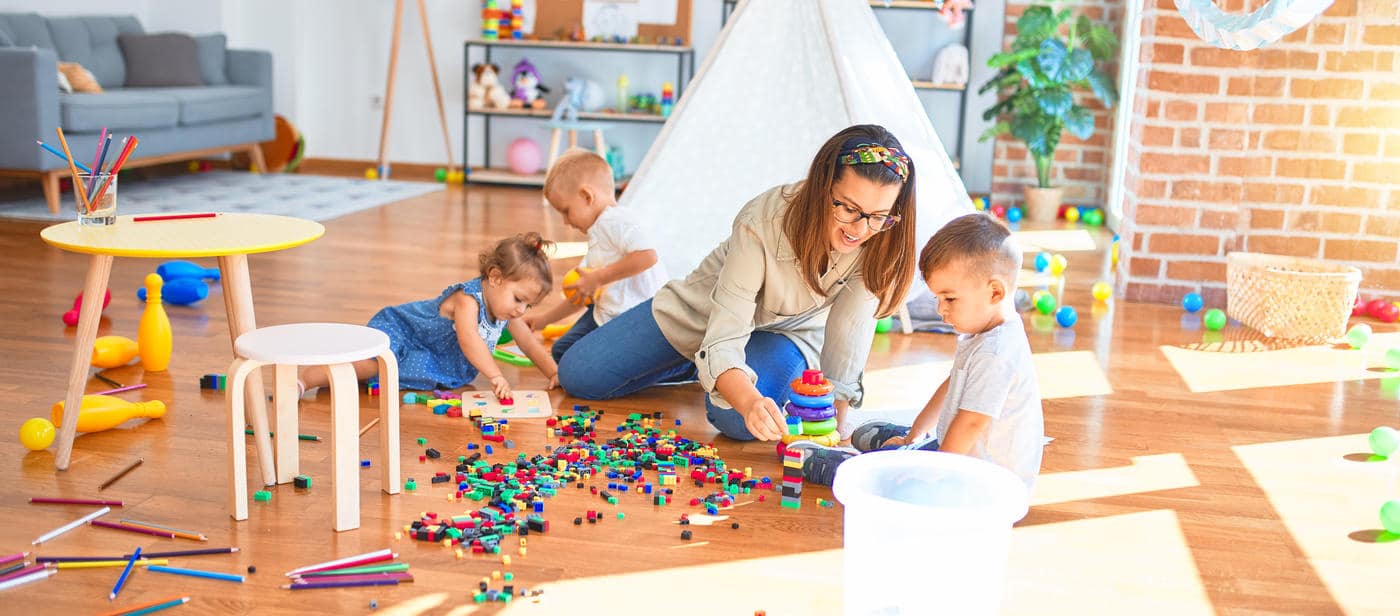
The Montessori Preschool Approach
Montessori preschools offer a unique educational approach that focuses on fostering independence, creativity, and a love for learning in young children. Developed by Dr. Maria Montessori in the early 20th century, the Montessori method has gained popularity worldwide for its child-centred philosophy and emphasis on hands-on, experiential learning.
At a Montessori preschool, children are encouraged to explore their interests at their own pace and engage in activities that promote self-discovery and critical thinking. The classroom environment is carefully designed to be child-friendly, with specially crafted educational materials that encourage sensory exploration and cognitive development.
One of the key principles of the Montessori approach is respect for each child’s individuality and autonomy. Teachers act as guides rather than traditional instructors, providing support and encouragement while allowing children to take ownership of their learning journey.
Montessori preschools typically have mixed-age classrooms, where children learn from one another and develop social skills through collaboration and peer interaction. This setup promotes a sense of community and cooperation among students, fostering a positive learning environment.
Another hallmark of the Montessori method is the focus on practical life skills. Children are taught everyday tasks such as pouring water, buttoning clothes, or arranging flowers, which not only develop fine motor skills but also instil a sense of responsibility and independence.
Research has shown that children who attend Montessori preschools tend to develop strong academic skills, social competence, and problem-solving abilities. The emphasis on self-directed learning helps children build confidence in their abilities and cultivate a lifelong love for learning.
In conclusion, the Montessori preschool approach offers a holistic educational experience that nurtures the whole child – academically, socially, emotionally, and creatively. By providing a supportive environment that values each child’s unique potential, Montessori preschools empower young learners to thrive and reach their full capabilities.
8 Essential Tips for a Montessori Preschool: Fostering Independence and Personalised Learning
- Create a prepared environment that is child-centred and promotes independence.
- Use hands-on materials to encourage active learning and exploration.
- Foster a sense of community and cooperation among children.
- Encourage self-directed learning by allowing children to choose their activities.
- Provide opportunities for outdoor play and nature exploration.
- Focus on developing practical life skills such as pouring, sweeping, and dressing independently.
- Support individual interests and abilities through personalised learning experiences.
- Promote respect for each child’s unique pace of development.
Create a prepared environment that is child-centred and promotes independence.
Creating a prepared environment in a Montessori preschool that is child-centred and fosters independence is essential for supporting the holistic development of young learners. By carefully designing the classroom space with age-appropriate materials and furniture, educators can empower children to explore, learn, and grow at their own pace. This child-centric approach encourages independence by allowing students to make choices, engage in self-directed activities, and take ownership of their learning journey. Through a prepared environment that prioritises independence, children develop essential life skills, build confidence in their abilities, and cultivate a sense of responsibility – all key components of the Montessori philosophy.
Use hands-on materials to encourage active learning and exploration.
Using hands-on materials in a Montessori preschool setting is a fundamental strategy to promote active learning and exploration among young children. By engaging with tactile objects and interactive tools, students are able to immerse themselves in the learning process, stimulating their senses and enhancing their understanding of various concepts. This hands-on approach not only fosters a deeper level of engagement but also encourages children to explore, experiment, and discover the world around them in a meaningful and interactive way.
Foster a sense of community and cooperation among children.
Fostering a sense of community and cooperation among children is a fundamental aspect of the Montessori preschool approach. By encouraging mixed-age classrooms and promoting collaborative activities, Montessori educators create an environment where children learn from one another, develop empathy, and build strong social skills. This emphasis on community not only enhances the learning experience but also instils values of respect, teamwork, and inclusivity in young learners, preparing them to thrive in a diverse and interconnected world.
Encourage self-directed learning by allowing children to choose their activities.
Encouraging self-directed learning in Montessori preschools is a fundamental principle that empowers children to take ownership of their education. By allowing children to choose their activities, they are given the freedom to explore their interests and learn at their own pace. This approach not only fosters independence and critical thinking but also nurtures a sense of responsibility and self-motivation in young learners. Through this process, children develop a genuine love for learning as they engage with activities that resonate with their curiosity and enthusiasm, laying a strong foundation for lifelong learning and personal growth.
Provide opportunities for outdoor play and nature exploration.
Providing opportunities for outdoor play and nature exploration is a fundamental aspect of the Montessori preschool philosophy. Outdoor play allows children to engage with the natural world, fostering a sense of wonder, curiosity, and connection to the environment. Through exploring nature, children develop their sensory awareness, physical coordination, and appreciation for the beauty and diversity of the world around them. Outdoor play also offers valuable learning experiences that cannot be replicated indoors, such as observing wildlife, feeling different textures, and experiencing the changing seasons. By incorporating outdoor activities into the curriculum, Montessori preschools encourage holistic development and instil a lifelong respect for nature in young learners.
Focus on developing practical life skills such as pouring, sweeping, and dressing independently.
In a Montessori preschool setting, it is essential to focus on developing practical life skills such as pouring, sweeping, and dressing independently. By engaging children in these everyday tasks, they not only enhance their fine motor skills but also cultivate a sense of responsibility and independence. Through hands-on experiences with practical life activities, children learn valuable skills that are not only beneficial for their development but also instil a sense of confidence and self-sufficiency. Emphasising the importance of mastering these fundamental life skills in early childhood sets a strong foundation for children to navigate the world with competence and autonomy.
Support individual interests and abilities through personalised learning experiences.
In a Montessori preschool setting, it is essential to support individual interests and abilities through personalised learning experiences. By tailoring the educational journey to each child’s unique strengths, preferences, and pace of learning, educators can foster a deep sense of engagement and motivation in young learners. This approach not only honours the diversity of skills and interests among children but also empowers them to explore and excel in areas that resonate with them personally. Through personalised learning experiences, Montessori preschools create a nurturing environment where each child can thrive and reach their full potential.
Promote respect for each child’s unique pace of development.
In a Montessori preschool setting, it is essential to promote respect for each child’s unique pace of development. By acknowledging and honouring the individual learning journey of every child, educators create an environment where children feel valued and empowered. This approach allows children to progress at their own speed, fostering a sense of confidence and independence as they navigate their educational experiences. Embracing the diversity of developmental timelines among young learners not only cultivates a culture of acceptance and understanding but also lays the foundation for a supportive and inclusive learning community within the Montessori classroom.