
Embracing the Future: The Power of Modular Innovation
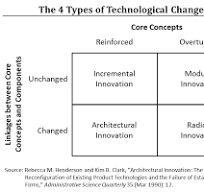
The Rise of Modular Innovation
In today’s fast-paced world, innovation is the key to staying ahead in the competitive market. One form of innovation that has been gaining popularity in recent years is modular innovation. This approach involves breaking down complex systems or products into smaller, independent modules that can be easily interchanged or upgraded.
Modular innovation offers several advantages over traditional methods of product development. By designing products in modular form, companies can achieve greater flexibility, scalability, and efficiency in their production processes. It allows for faster prototyping, easier maintenance, and quicker adaptation to changing market demands.
One of the main benefits of modular innovation is its ability to promote sustainability. By creating products with interchangeable modules, companies can extend the lifespan of their products by allowing customers to upgrade or repair specific components rather than replacing the entire product. This not only reduces waste but also contributes to a more circular economy.
Furthermore, modular innovation fosters collaboration and co-creation among different stakeholders. Companies can partner with suppliers, customers, and even competitors to develop compatible modules that enhance interoperability and create new opportunities for innovation.
Several industries have already embraced modular innovation with great success. In technology, modular smartphones allow users to customise their devices by adding or removing modules such as cameras, batteries, or speakers. In construction, modular building techniques enable faster and more cost-effective construction of homes and buildings.
As we move towards a more interconnected and dynamic world, modular innovation is set to play a crucial role in shaping the future of product development. Companies that embrace this approach will not only stay competitive but also contribute to a more sustainable and collaborative economy.
8 Essential Tips for Advancing Modular Innovation in Your Organisation
- Encourage cross-functional collaboration within teams.
- Promote a culture of continuous learning and experimentation.
- Embrace flexibility and adaptability in processes and structures.
- Focus on creating modular components that can be easily integrated or replaced.
- Regularly review and update modular designs to stay relevant in the market.
- Invest in technologies that support modular innovation, such as 3D printing or IoT devices.
- Seek feedback from customers and stakeholders to improve modular solutions.
- Train employees on best practices for developing and implementing modular innovations.
Encourage cross-functional collaboration within teams.
Encouraging cross-functional collaboration within teams is a crucial tip for successful implementation of modular innovation. By bringing together individuals with diverse expertise and perspectives, teams can leverage the strengths of each team member to create innovative modular solutions. Cross-functional collaboration fosters creativity, problem-solving, and a holistic approach to product development, ensuring that all aspects of a modular project are carefully considered and integrated seamlessly. This collaborative environment not only enhances the quality of modular innovations but also promotes a culture of shared learning and continuous improvement within the team.
Promote a culture of continuous learning and experimentation.
To fully leverage the benefits of modular innovation, it is essential to cultivate a culture of continuous learning and experimentation within the organisation. Encouraging employees to explore new ideas, test different approaches, and embrace a mindset of curiosity and adaptability can lead to groundbreaking advancements in modular product development. By fostering a culture where learning from both successes and failures is valued, teams can innovate more effectively, identify opportunities for improvement, and stay ahead in the ever-evolving landscape of modular innovation.
Embrace flexibility and adaptability in processes and structures.
To fully leverage the benefits of modular innovation, it is essential to embrace flexibility and adaptability in processes and structures. By designing systems and products with interchangeable modules, companies can easily adjust to changing market demands, technological advancements, and customer preferences. This flexibility allows for swift modifications, upgrades, and customisations without the need for extensive retooling or redesign. Embracing flexibility and adaptability not only enhances efficiency and scalability but also fosters a culture of continuous improvement and innovation within the organisation.
Focus on creating modular components that can be easily integrated or replaced.
When implementing modular innovation, it is essential to focus on creating modular components that can be easily integrated or replaced. By designing components that are interchangeable and compatible with one another, companies can streamline their production processes, enhance product flexibility, and reduce maintenance costs. This approach not only facilitates faster prototyping and customization but also enables efficient upgrades and repairs, ultimately leading to a more sustainable and adaptable product ecosystem. Emphasizing the development of easily integratable and replaceable modular components is key to harnessing the full potential of modular innovation in driving business success and meeting evolving customer needs.
Regularly review and update modular designs to stay relevant in the market.
To stay relevant in the market, it is crucial to regularly review and update modular designs. By continuously assessing and enhancing modular designs, companies can ensure that their products remain competitive, adaptable to changing customer needs, and aligned with the latest technological advancements. This proactive approach not only helps in maintaining a strong market presence but also allows for swift responses to emerging trends, ultimately leading to sustained success and innovation in the dynamic business landscape.
Invest in technologies that support modular innovation, such as 3D printing or IoT devices.
To fully leverage the benefits of modular innovation, it is essential for companies to invest in technologies that support this approach. Technologies like 3D printing and Internet of Things (IoT) devices play a crucial role in enabling the development and implementation of modular solutions. 3D printing allows for the rapid prototyping and production of customised modules with intricate designs, while IoT devices facilitate seamless connectivity and data exchange between different modules, enhancing their functionality and interoperability. By embracing these technologies, companies can unlock new possibilities for innovation, efficiency, and sustainability in their product development processes.
Seek feedback from customers and stakeholders to improve modular solutions.
Seeking feedback from customers and stakeholders is a crucial step in enhancing modular solutions. By actively engaging with those who use or interact with the modular products, companies can gain valuable insights into how the modules perform in real-world scenarios, what improvements can be made, and what new features or functionalities are desired. This feedback loop not only helps in refining existing modular solutions but also in identifying new opportunities for innovation and collaboration. Ultimately, involving customers and stakeholders in the development process leads to more user-centric and effective modular products that meet the evolving needs of the market.
Train employees on best practices for developing and implementing modular innovations.
To maximise the benefits of modular innovation, it is crucial to train employees on best practices for developing and implementing such innovations. By providing comprehensive training on modular design principles, collaboration techniques, and efficient implementation strategies, companies can empower their employees to effectively create and integrate modular solutions into their products or processes. This training ensures that employees have the necessary skills and knowledge to harness the full potential of modular innovation, leading to increased efficiency, flexibility, and sustainability in their work.