
Exploring the Transformative Power of a PhD in Nursing
The Value of Pursuing a PhD in Nursing
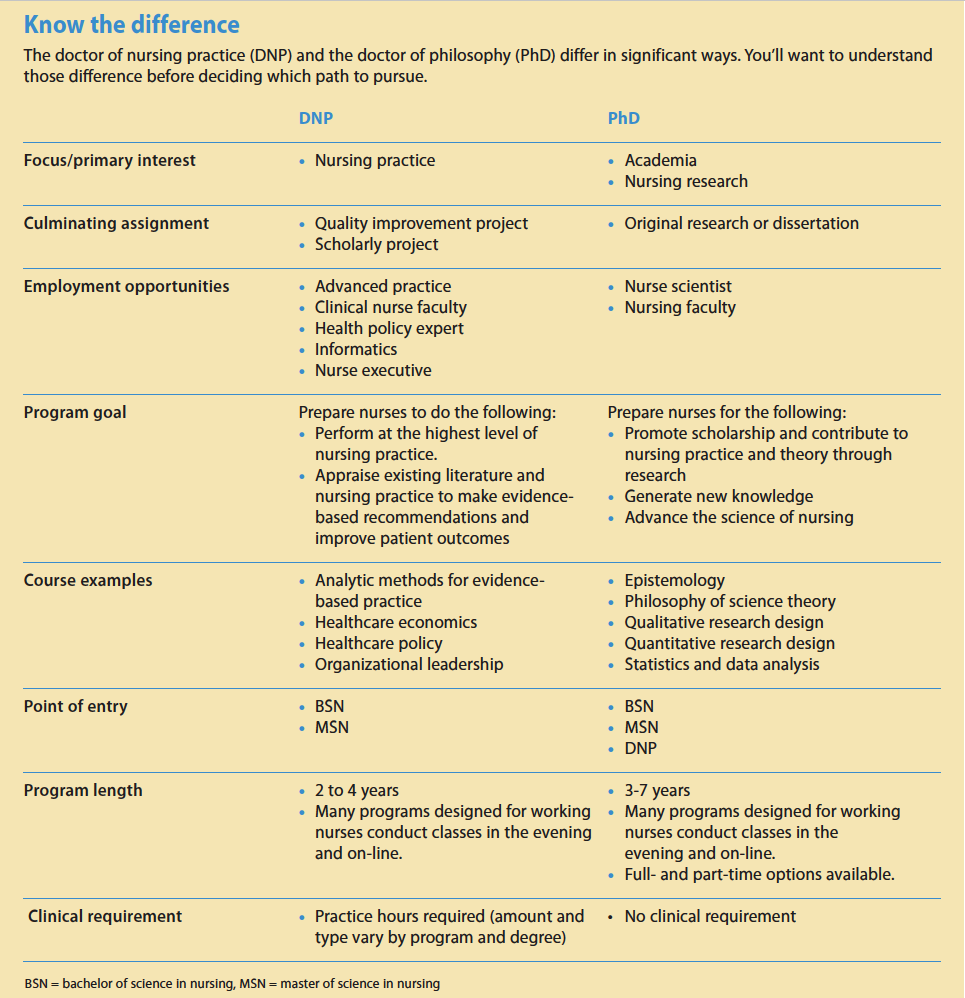
Obtaining a Doctor of Philosophy (PhD) in Nursing is a significant achievement that can open up a world of opportunities for nursing professionals. This advanced degree goes beyond clinical practice and equips individuals with the knowledge and skills needed to contribute to the field of nursing through research, education, leadership, and policy development.
One of the key benefits of pursuing a PhD in Nursing is the opportunity to conduct groundbreaking research that can advance the science and practice of nursing. PhD graduates have the chance to explore new areas of study, develop innovative interventions, and contribute valuable insights to improve patient care outcomes.
Moreover, holding a PhD in Nursing can lead to fulfilling career paths beyond traditional clinical roles. Graduates can pursue careers as nurse researchers, educators, consultants, policymakers, or leaders in healthcare organizations. The expertise gained through doctoral training allows individuals to make significant contributions to shaping the future of healthcare delivery and policy.
Additionally, earning a PhD in Nursing demonstrates a commitment to lifelong learning and professional development. It signifies dedication to advancing one’s knowledge and skills in the field and positions individuals as experts within the nursing community. This level of expertise can lead to increased credibility, respect, and influence within the healthcare industry.
Furthermore, pursuing a PhD in Nursing can have a positive impact on patient care by bridging the gap between research and practice. Through their work, PhD-prepared nurses can help translate evidence-based findings into real-world applications that enhance quality of care and patient outcomes.
In conclusion, obtaining a PhD in Nursing is not only a personal achievement but also a contribution to the advancement of healthcare as a whole. With its emphasis on research, education, leadership, and innovation, this advanced degree empowers nurses to make meaningful contributions to the field and drive positive change for patients, communities, and society at large.
Essential Tips for a Successful PhD Journey in Nursing
- Choose a research topic that you are passionate about and that has practical implications for the nursing field.
- Develop strong relationships with your academic supervisor and seek their guidance throughout your PhD journey.
- Regularly engage with relevant literature to stay informed about the latest research in nursing and related fields.
- Attend conferences, seminars, and workshops to network with other researchers and gain new insights into nursing research.
- Take care of your physical and mental well-being by maintaining a healthy work-life balance during your PhD studies.
Choose a research topic that you are passionate about and that has practical implications for the nursing field.
When embarking on a PhD in Nursing journey, it is crucial to select a research topic that ignites your passion and holds significant practical implications for the nursing field. By choosing a topic that resonates with your interests and values, you are more likely to stay motivated and committed throughout the research process. Moreover, focusing on a subject with practical relevance ensures that your findings can directly contribute to improving nursing practice, patient care outcomes, and healthcare policies. Ultimately, aligning your research with your passion and the needs of the nursing profession can lead to impactful discoveries and positive changes in the field.
Develop strong relationships with your academic supervisor and seek their guidance throughout your PhD journey.
Developing strong relationships with your academic supervisor is crucial for success during your PhD in Nursing journey. Your supervisor can provide valuable guidance, support, and mentorship as you navigate the challenges of doctoral research. By fostering a collaborative and communicative relationship with your supervisor, you can benefit from their expertise, feedback, and insights to enhance the quality of your work and ensure that you stay on track towards achieving your academic and professional goals. Regular communication and seeking guidance from your supervisor will not only help you overcome obstacles but also enrich your learning experience and ultimately contribute to the successful completion of your PhD programme.
Regularly engage with relevant literature to stay informed about the latest research in nursing and related fields.
It is essential for individuals pursuing a PhD in Nursing to regularly engage with relevant literature to stay informed about the latest research in nursing and related fields. Keeping up-to-date with current literature not only enhances one’s knowledge base but also provides valuable insights that can inform research directions, contribute to evidence-based practice, and inspire innovative approaches to addressing healthcare challenges. By immersing oneself in the latest research findings and scholarly discussions, aspiring nurse scholars can deepen their understanding of key issues in the field and stay at the forefront of advancements in nursing science and practice.
Attend conferences, seminars, and workshops to network with other researchers and gain new insights into nursing research.
Attending conferences, seminars, and workshops is a valuable tip for PhD students in nursing as it provides a platform to network with fellow researchers and gain fresh insights into the dynamic field of nursing research. Engaging in these professional events allows students to connect with experts, share ideas, and stay updated on the latest developments in the field. By participating in such gatherings, PhD students can broaden their perspectives, foster collaborations, and enhance their research skills, ultimately contributing to their academic and professional growth in the field of nursing.
Take care of your physical and mental well-being by maintaining a healthy work-life balance during your PhD studies.
It is crucial for those pursuing a PhD in Nursing to prioritise their physical and mental well-being by maintaining a healthy work-life balance throughout their studies. Balancing academic demands with personal time and self-care activities is essential to prevent burnout and sustain long-term success in the programme. By incorporating regular exercise, adequate rest, social connections, and relaxation techniques into their routine, PhD students can enhance their overall well-being, improve focus and productivity, and ultimately thrive both academically and personally. Remembering to take care of oneself is not only beneficial for individual health but also contributes to better academic performance and research outcomes in the field of nursing.