
Elevating Education: The Impact of a Teaching Council on Academic Excellence
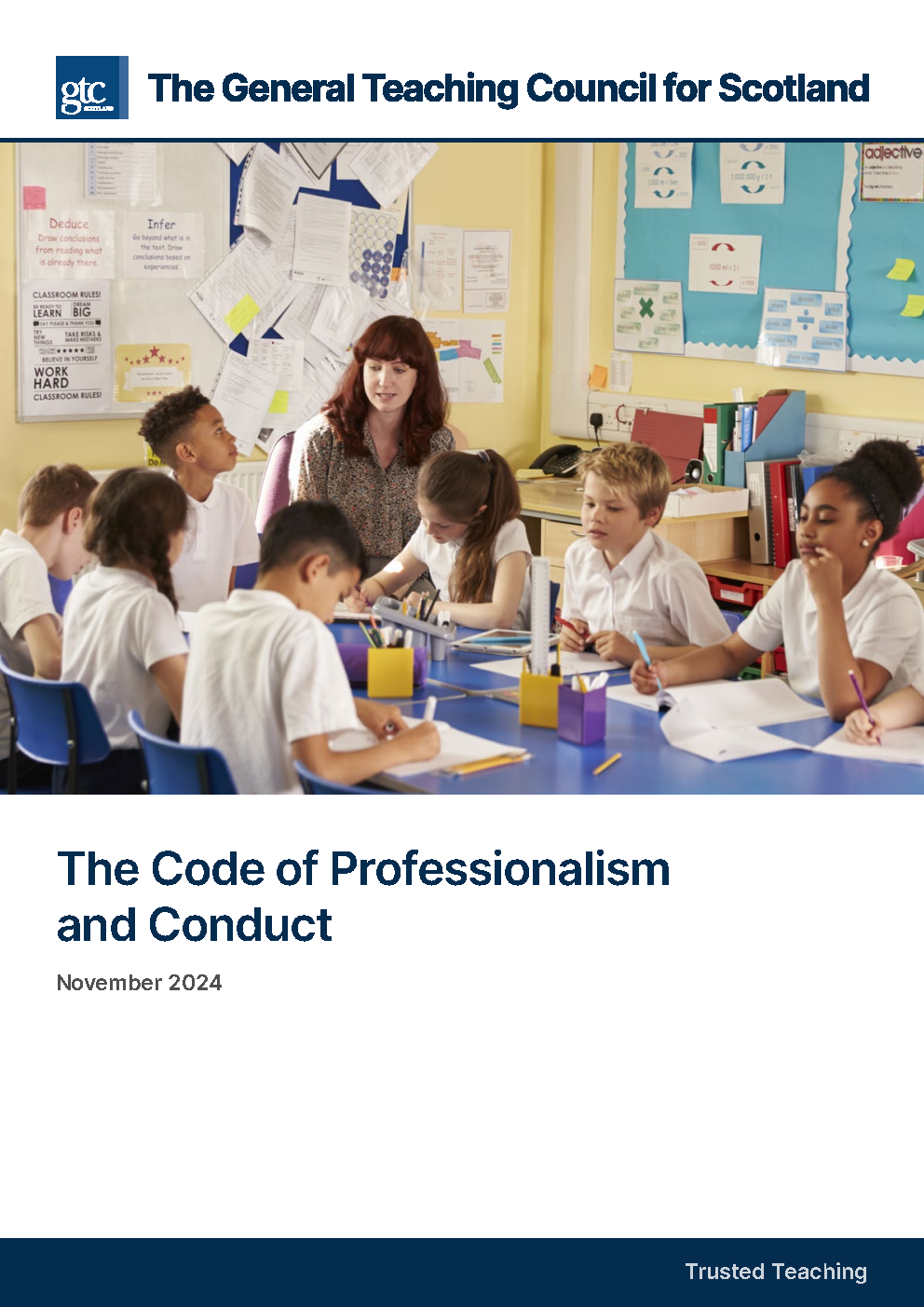
The Role of a Teaching Council in Education
Teaching councils play a crucial role in shaping the quality and standards of education in a country. These councils are regulatory bodies that oversee the certification, licensing, and professional development of teachers. They are responsible for setting standards, promoting excellence in teaching, and ensuring that educators meet the necessary requirements to provide high-quality education to students.
One of the primary functions of a teaching council is to establish and maintain professional standards for teachers. These standards outline the knowledge, skills, and competencies that educators need to possess to effectively teach students. By setting clear expectations for teachers, the council helps ensure that students receive a high standard of education across all schools.
In addition to setting standards, teaching councils also play a role in accrediting teacher education programmes. They review and approve training courses for aspiring teachers to ensure that they meet the required criteria for certification. This accreditation process helps guarantee that new teachers are well-prepared and equipped with the necessary skills to excel in their roles.
Furthermore, teaching councils are responsible for issuing teaching licenses or certificates to qualified educators. These credentials serve as proof that teachers have met the established standards and are authorised to teach in schools. By regulating teacher certification, the council helps maintain the professionalism and integrity of the teaching profession.
Another important function of a teaching council is to promote ongoing professional development among teachers. Through workshops, training programmes, and continuing education requirements, the council supports educators in enhancing their skills and staying up-to-date with best practices in teaching. This focus on continuous improvement benefits both teachers and students by ensuring that classroom instruction remains effective and relevant.
In conclusion, teaching councils play a vital role in upholding educational quality and supporting teacher professionalism. By setting standards, accrediting programmes, issuing certifications, and promoting professional development, these regulatory bodies contribute to the overall success of education systems worldwide.
Enhancing Educational Excellence: The Role of Teaching Councils in Upholding Professional Standards and Supporting Educators
- Establishes and maintains professional standards for teachers.
- Accredits teacher education programmes to ensure quality training.
- Issues teaching licenses or certificates to qualified educators.
- Regulates the certification process to uphold professionalism in teaching.
- Promotes ongoing professional development among teachers.
- Ensures that students receive a high standard of education across all schools.
- Supports educators in enhancing their skills through training programmes.
- Contributes to the overall success of education systems worldwide.
Challenges Faced by Educators Due to Teaching Council Regulations
- Bureaucratic processes may slow down decision-making and implementation of necessary reforms.
- Some teachers may feel restricted or micromanaged by the regulations set by the teaching council.
- There could be inconsistencies in standards and practices across different regions governed by separate teaching councils.
- Fees associated with certification and licensing requirements imposed by the teaching council can be a financial burden for educators.
- Limited representation of diverse teaching perspectives and experiences within the teaching council may lead to biased decision-making.
Establishes and maintains professional standards for teachers.
One significant advantage of a teaching council is its role in establishing and maintaining professional standards for teachers. By defining clear expectations regarding the knowledge, skills, and competencies that educators should possess, the council ensures that teachers meet a high standard of professionalism in their practice. This proactive approach not only elevates the quality of teaching across schools but also instils confidence in students, parents, and the wider community about the calibre of education being delivered. Professional standards set by teaching councils serve as a benchmark for excellence and contribute to the overall improvement of teaching practices within the education sector.
Accredits teacher education programmes to ensure quality training.
One significant advantage of a teaching council is its role in accrediting teacher education programmes to guarantee quality training for aspiring educators. By meticulously reviewing and approving these training courses, the council ensures that future teachers receive a comprehensive and effective education that equips them with the necessary knowledge and skills to excel in their profession. This accreditation process not only maintains high standards in teacher training but also enhances the overall quality of education delivery, ultimately benefiting both teachers and students alike.
Issues teaching licenses or certificates to qualified educators.
One significant advantage of a teaching council is its ability to issue teaching licenses or certificates to qualified educators. By granting these credentials, the council ensures that teachers have met the necessary standards and requirements to teach effectively in schools. This process not only upholds the professionalism and integrity of the teaching profession but also provides assurance to students, parents, and educational institutions that certified teachers possess the essential knowledge and skills to deliver high-quality education. The issuance of teaching licenses by the council serves as a mark of credibility and competence, enhancing confidence in the abilities of qualified educators to positively impact students’ learning experiences.
Regulates the certification process to uphold professionalism in teaching.
One significant advantage of a teaching council is its role in regulating the certification process to uphold professionalism in teaching. By setting clear criteria and standards for teacher certification, the council ensures that only qualified individuals who meet the necessary competencies and qualifications are granted the authority to teach. This regulation not only maintains the integrity of the teaching profession but also instils confidence in students, parents, and the wider community that educators have undergone a rigorous evaluation process to demonstrate their proficiency and dedication to their role. Ultimately, by upholding high standards of certification, teaching councils contribute to enhancing the overall quality of education and fostering a culture of excellence in teaching practice.
Promotes ongoing professional development among teachers.
One significant advantage of teaching councils is their role in promoting continuous professional development among teachers. By organising workshops, training sessions, and requiring educators to engage in ongoing learning opportunities, teaching councils ensure that teachers stay abreast of the latest educational trends and methodologies. This focus on professional growth not only enhances teachers’ skills and knowledge but also benefits students by improving the quality of instruction they receive. Through fostering a culture of lifelong learning, teaching councils help create a dynamic and innovative teaching workforce dedicated to providing the best possible education for all students.
Ensures that students receive a high standard of education across all schools.
One significant advantage of a teaching council is its ability to ensure that students receive a consistently high standard of education across all schools. By setting and maintaining professional standards for teachers, the council helps guarantee that educators possess the necessary knowledge, skills, and competencies to deliver quality instruction. This oversight promotes uniformity in educational practices, ultimately benefiting students by providing them with a solid foundation for learning and development regardless of the school they attend. The emphasis on maintaining high standards across the board contributes to a more equitable and effective education system that prioritises student success and achievement.
Supports educators in enhancing their skills through training programmes.
One significant advantage of a teaching council is its support for educators in improving their skills through training programmes. By offering workshops, courses, and other professional development opportunities, the council helps teachers stay abreast of the latest educational trends and methodologies. This continuous learning not only enhances teachers’ effectiveness in the classroom but also ensures that they can adapt to the evolving needs of students and the education system. Ultimately, by investing in the professional growth of educators, the teaching council contributes to the overall quality of education provided to students.
Contributes to the overall success of education systems worldwide.
One significant advantage of teaching councils is their contribution to the overall success of education systems worldwide. By setting and upholding standards for teacher quality, accreditation of training programmes, and promotion of continuous professional development, teaching councils ensure that educators are well-prepared, competent, and motivated to deliver high-quality education. This commitment to excellence not only benefits individual teachers and students but also elevates the standard of education across countries, ultimately leading to improved learning outcomes and a more effective educational environment on a global scale.
Bureaucratic processes may slow down decision-making and implementation of necessary reforms.
One significant drawback of teaching councils is the potential for bureaucratic processes to hinder efficient decision-making and delay the implementation of essential reforms. The intricate layers of bureaucracy within these regulatory bodies can lead to red tape, lengthy approval procedures, and cumbersome administrative requirements that may impede swift action on critical issues affecting education. As a result, necessary changes and improvements in teaching standards or policies could be stalled or derailed, impacting the timely advancement of the education system and potentially hindering the overall quality of teaching and learning experiences for both educators and students.
Some teachers may feel restricted or micromanaged by the regulations set by the teaching council.
Some teachers may find themselves feeling restricted or micromanaged by the regulations imposed by the teaching council. The stringent standards and guidelines set forth by the council can sometimes limit the autonomy and creativity of educators in their teaching practices. Teachers may feel constrained in their ability to adapt their methods to meet the unique needs of their students or to explore innovative approaches to learning. This sense of being overly regulated can lead to frustration and a lack of job satisfaction among some teachers, potentially impacting their overall effectiveness in the classroom.
There could be inconsistencies in standards and practices across different regions governed by separate teaching councils.
One significant drawback of having multiple teaching councils governing different regions is the potential for inconsistencies in standards and practices. Each council may have its own set of regulations, criteria, and expectations for teachers, leading to variations in the quality of education provided across different areas. This lack of uniformity can create challenges in ensuring equitable access to high-quality education and may result in disparities in teacher preparation and student outcomes. Addressing these inconsistencies requires coordination and collaboration among teaching councils to establish common standards and practices that promote consistency and excellence in education delivery nationwide.
Fees associated with certification and licensing requirements imposed by the teaching council can be a financial burden for educators.
The imposition of fees associated with certification and licensing requirements by the teaching council can pose a significant financial challenge for educators. These financial burdens can deter aspiring teachers from pursuing a career in education or place strain on existing educators who may already be facing financial constraints. The costs involved in obtaining and maintaining the necessary certifications can add up over time, especially for teachers who are required to undergo regular training or professional development activities to meet the council’s standards. As a result, these fees may create barriers to entry and hinder the professional growth of educators, ultimately impacting the overall quality of education provided to students.
Limited representation of diverse teaching perspectives and experiences within the teaching council may lead to biased decision-making.
Limited representation of diverse teaching perspectives and experiences within the teaching council can result in biased decision-making processes. When the council lacks a variety of voices and viewpoints from teachers with different backgrounds, expertise, and experiences, there is a risk of overlooking important issues and making decisions that do not fully consider the needs of all educators. This lack of diversity may lead to policies and standards that are not inclusive or equitable, potentially marginalising certain groups of teachers and hindering progress towards a more inclusive and effective education system. It is essential for teaching councils to actively seek out and incorporate diverse perspectives to ensure fair and informed decision-making that benefits all teachers and students alike.