
Unlocking Innovation: The Impact of the ERC Grant on Research Excellence
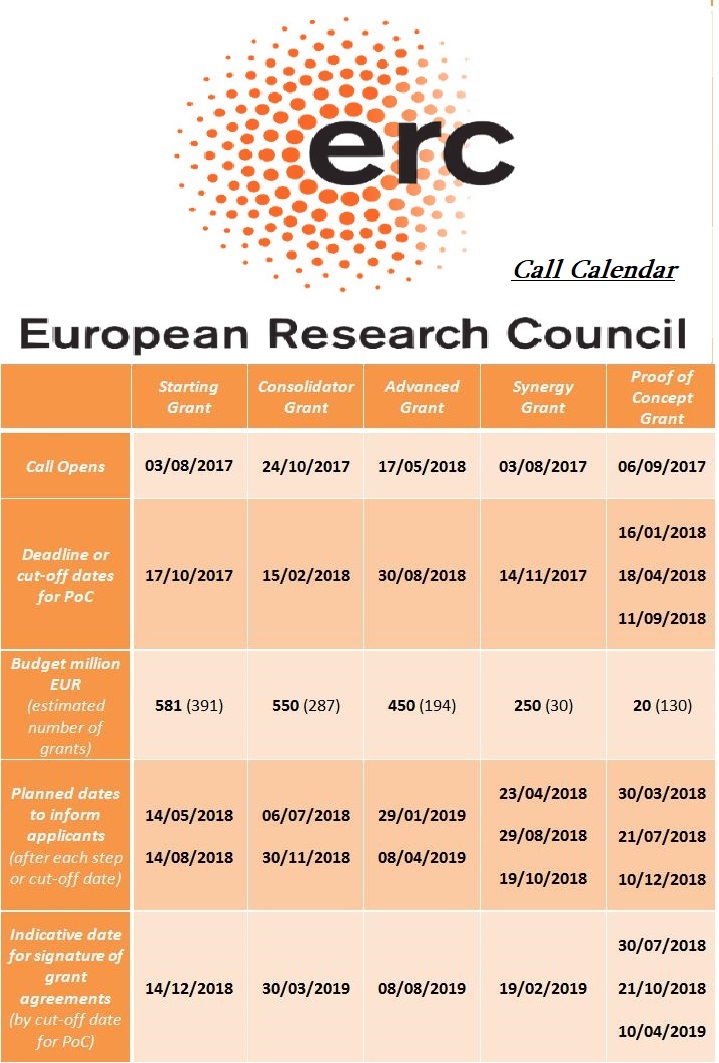
The European Research Council (ERC) Grant: Empowering Innovation and Excellence in Research
The European Research Council (ERC) is a prestigious funding body that supports groundbreaking research across all disciplines. One of the most coveted grants offered by the ERC is the ERC Grant, which aims to empower researchers to pursue innovative projects that push the boundaries of knowledge and drive scientific excellence.
Established in 2007 as part of the European Union’s Framework Programme for Research and Innovation, the ERC Grant provides substantial funding to individual researchers or research teams based in Europe. The grant is awarded through a rigorous peer-review process that evaluates the scientific quality, innovation, and impact of the proposed research project.
One of the key features of the ERC Grant is its focus on supporting investigator-driven research. This means that researchers have the freedom to pursue their most creative ideas and explore new avenues of inquiry without predefined priorities or thematic constraints. The ERC places a strong emphasis on scientific excellence and encourages risk-taking and interdisciplinary collaboration.
Receiving an ERC Grant not only provides financial support for research activities but also offers international recognition and prestige. The grant allows researchers to establish themselves as leaders in their field, attract top talent to their team, and collaborate with leading experts from around the world.
Over the years, many groundbreaking discoveries and innovations have been made possible thanks to ERC funding. From advancing our understanding of fundamental science to driving technological breakthroughs and addressing societal challenges, projects supported by the ERC Grant have had a significant impact on science and society.
In conclusion, the ERC Grant plays a crucial role in fostering innovation, excellence, and collaboration in European research. By empowering researchers to pursue bold ideas and ambitious projects, the grant contributes to advancing knowledge, driving progress, and shaping the future of science.
Frequently Asked Questions About ERC Grants: Eligibility, Application Process, and Evaluation Criteria
- What is the European Research Council (ERC) Grant?
- Who is eligible to apply for an ERC Grant?
- How can I apply for an ERC Grant?
- What are the different types of ERC Grants available?
- What is the evaluation process for ERC Grant applications?
- What are the key criteria used to assess ERC Grant proposals?
- Can non-European researchers apply for an ERC Grant?
What is the European Research Council (ERC) Grant?
The European Research Council (ERC) Grant is a prestigious funding scheme established by the European Union to support innovative research projects across various disciplines. It is one of the most sought-after grants in Europe, providing substantial financial support to individual researchers or research teams to pursue cutting-edge scientific investigations. The ERC Grant is renowned for its focus on scientific excellence, creativity, and investigator-driven research, allowing recipients the freedom to explore new ideas and push the boundaries of knowledge without predefined thematic constraints. Through a rigorous peer-review process, the ERC identifies and funds projects with the potential to make significant contributions to science and society, empowering researchers to drive innovation and excellence in their respective fields.
Who is eligible to apply for an ERC Grant?
To be eligible to apply for an ERC Grant, researchers must have a PhD or equivalent qualification and a track record of significant research achievements within their field. The ERC Grant is open to researchers of any nationality, as long as they are based in Europe or plan to establish their research team in Europe. Both early-career investigators and established leaders in their field are encouraged to apply, with the emphasis placed on the scientific quality and innovative nature of the proposed research project. Additionally, applicants must adhere to the specific eligibility criteria outlined in the ERC Grant call for proposals, which may vary depending on the type of grant (Starting, Consolidator, Advanced, or Synergy).
How can I apply for an ERC Grant?
To apply for an ERC Grant, researchers need to follow a structured process outlined by the European Research Council. The first step is to carefully review the ERC’s funding opportunities and eligibility criteria to ensure that their research project aligns with the grant’s objectives. Researchers are then required to submit a detailed proposal outlining the scientific objectives, methodology, and expected impact of their research. The proposal undergoes a rigorous evaluation by independent experts who assess its scientific quality, innovation, and feasibility. Successful applicants receive funding to carry out their research project, enabling them to make significant contributions to their field of study.
What are the different types of ERC Grants available?
There are several types of European Research Council (ERC) Grants available to support innovative research projects across various stages of a researcher’s career. The main categories include the Starting Grant, Consolidator Grant, Advanced Grant, and Synergy Grant. The Starting Grant is designed for early-career researchers with 2-7 years of experience since completing their PhD, aiming to establish their independent research careers. The Consolidator Grant targets mid-career researchers with 7-12 years of post-PhD experience to strengthen their research programs. The Advanced Grant supports established researchers with a track record of significant research achievements. Lastly, the Synergy Grant promotes collaboration between two to four Principal Investigators to address ambitious research questions that require synergistic efforts. Each type of ERC Grant has specific eligibility criteria and funding opportunities tailored to different stages of a researcher’s career, encouraging excellence and innovation in European research.
What is the evaluation process for ERC Grant applications?
The evaluation process for ERC Grant applications is a rigorous and thorough procedure designed to assess the scientific quality, innovation, and feasibility of the proposed research projects. Once an application is submitted, it undergoes a peer-review process involving independent experts who evaluate the project based on its originality, methodology, impact, and the track record of the applicant. The evaluation criteria are stringent, aiming to identify projects that have the potential to make significant contributions to their respective fields. The reviewers provide detailed feedback and scores to help the ERC make funding decisions. This transparent and objective evaluation process ensures that only the highest-quality research projects receive funding, maintaining the ERC’s commitment to excellence in European research.
What are the key criteria used to assess ERC Grant proposals?
When evaluating ERC Grant proposals, several key criteria are used to assess the quality and potential impact of the research project. These criteria include the scientific excellence of the proposed research, the innovative nature of the project, the qualifications and track record of the principal investigator and research team, as well as the feasibility and methodology of the research plan. The ERC places a strong emphasis on originality, creativity, and interdisciplinary approaches in assessing proposals to ensure that funded projects have the potential to make significant contributions to their respective fields of study. Additionally, the potential societal or economic impact of the research is also taken into consideration during the evaluation process.
Can non-European researchers apply for an ERC Grant?
Non-European researchers are eligible to apply for an ERC Grant, provided that they establish their research project at a host institution based in an EU Member State or Associated Country. The European Research Council (ERC) encourages international collaboration and welcomes applications from researchers worldwide who demonstrate excellence in their field. Non-European researchers seeking to apply for an ERC Grant should ensure that they meet the eligibility criteria and follow the application guidelines set out by the ERC to have their innovative research projects considered for funding.