
Teaching Philosophy Examples: Practical Models and Tips for Writing Your Own
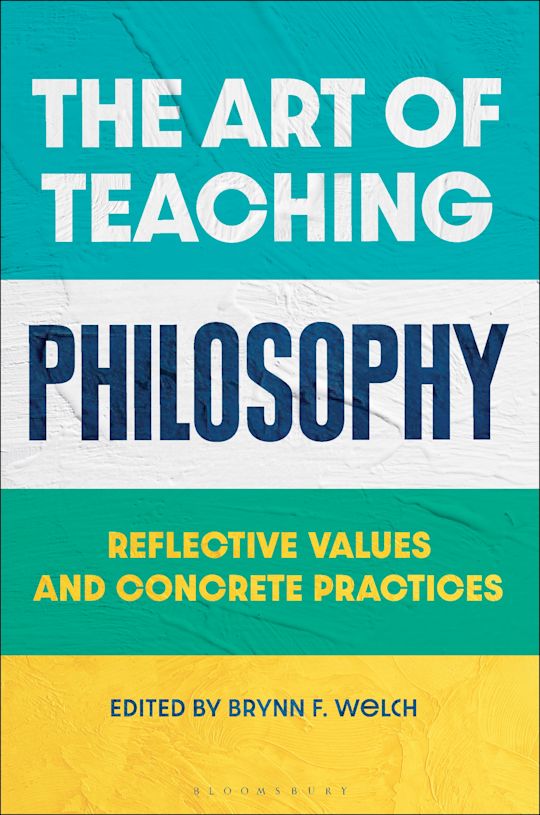
Teaching Philosophy Examples: How to Write a Statement That Reflects Your Practice
A teaching philosophy is a short, considered account of what you believe about teaching and learning, and how those beliefs shape your work. It can help you explain your approach to students, colleagues, employers or selection panels. Whether you are applying for a teaching post, preparing a professional portfolio or reflecting on your practice, looking at teaching philosophy examples can help you find a clear structure and voice.
The strongest statements are personal and specific. They do more than list educational ideals: they show how those ideals influence decisions in the classroom.
What to include in a teaching philosophy
There is no single required format, but a teaching philosophy commonly addresses these questions:
- What do you believe helps people learn?
- What is your role as a teacher?
- How do you create an inclusive and supportive learning environment?
- What approaches or activities do you use in your teaching?
- How do you assess learning and respond to feedback?
- How do you know whether your teaching is effective?
A concise statement often combines a central belief with practical examples. For instance, rather than saying only, “I believe all learners can succeed,” explain how you make that belief visible in your teaching.
Teaching philosophy example: student-centred learning
I believe students learn most effectively when they take an active role in making sense of new ideas. My role is to provide clear guidance, meaningful challenges and opportunities for students to connect course content with their own questions and experiences.
In practice, I combine short explanations with discussion, problem-solving and reflection. In a recent unit, students worked in small groups to analyse different solutions to a local environmental issue. They had to support their conclusions with evidence and explain the limitations of their proposals. This gave them the chance to apply concepts rather than simply repeat them.
I use regular, low-stakes checks for understanding to identify where students need further support. I want students to leave my classes with stronger subject knowledge, but also with greater confidence in asking questions and thinking independently.
This example links a belief—active participation supports learning—to specific teaching methods and an intended outcome.
Teaching philosophy example: inclusive teaching
I aim to create a learning environment in which students with different backgrounds, strengths and support needs can participate and make progress. I do not assume that one teaching method will work equally well for everyone, so I vary how students encounter and demonstrate their understanding.
For example, I provide key materials in advance, explain unfamiliar terminology and use a mix of spoken explanation, written guidance and visual resources. I also build in time for individual reflection before asking students to contribute to group discussion. These choices can make participation more accessible without lowering expectations.
I treat inclusion as an ongoing responsibility. I invite feedback, pay attention to who is participating and review my materials to identify barriers. My aim is to maintain high standards while giving students fair opportunities to meet them.
This statement avoids treating inclusion as a general aspiration. It describes practical choices and recognises that teaching should be reviewed over time.
Teaching philosophy example: inquiry and critical thinking
I see teaching as a way to help students become curious, careful and independent thinkers. In my subject, it is important not only to understand established knowledge but also to ask how that knowledge was produced, what evidence supports it and where uncertainty remains.
I use open-ended questions, case studies and structured debate to help students examine ideas from more than one perspective. Before a discussion, students identify the evidence behind their position; afterwards, they reflect on whether any of their views have changed. This encourages reasoned disagreement and helps students distinguish a supported argument from an unsupported opinion.
I assess students’ thinking through both their conclusions and the reasoning they use to reach them. My aim is for them to become more confident in evaluating information and explaining their judgements.
This example is useful for subjects where interpretation, evidence and debate are central. The activities should, of course, be adapted to the age group and subject being taught.
Teaching philosophy example: practical and vocational learning
I believe learning is strengthened when students can connect theory with the demands of practice. I therefore design activities that allow them to rehearse relevant skills, make decisions and learn from the consequences in a supportive setting.
In practical sessions, I model a process, make the success criteria clear and then give students guided opportunities to try it for themselves. I use feedback that identifies both what is working and what the next step should be. Where appropriate, students also review one another’s work using shared criteria, which helps them understand standards and give constructive feedback.
Reflection is an important part of this process. I ask students to consider not only whether a task was completed, but what they learnt, what they would change and how the skill could transfer to a new situation.
How to make an example your own
Examples can help you organise your ideas, but a copied statement is unlikely to represent your teaching accurately. Use a model as a starting point and build your own around real experience.
- Choose a central belief. Decide what matters most to you as a teacher, such as curiosity, independence, inclusion, practice or collaboration.
- Connect belief to action. Name the teaching choices that express it. These might include discussion, demonstrations, formative assessment, group work or individual feedback.
- Use a real example. Briefly describe a lesson, activity or change you made. Explain what students were expected to learn and what you noticed.
- Show how you reflect. Mention how you use student work, questions, feedback or assessment results to review your approach.
- Keep the statement focused. Choose a few connected ideas rather than trying to include every teaching method you have used.
Common pitfalls to avoid
- Relying on slogans. Phrases such as “every student matters” need explanation and evidence from practice.
- Listing techniques without a rationale. Explain why a method supports the learning you want to achieve.
- Making claims without examples. A brief, concrete example makes your philosophy more credible.
- Writing too generally. Consider your subject, learners and teaching context rather than aiming for a statement that could belong to anyone.
- Presenting your approach as fixed. A thoughtful philosophy can acknowledge that teaching develops through reflection and feedback.
A simple structure to get started
If you are unsure where to begin, try drafting three short paragraphs:
- State what you believe about how learning happens.
- Describe the teaching approaches you use and give one example.
- Explain how you assess learning, reflect on your teaching and make improvements.
A teaching philosophy does not need to sound grand or complicated. It should give readers a clear sense of what you value, what you do and how you know whether it is helping students learn. The best examples are not templates to copy; they are prompts for describing your own practice with honesty and precision.
8 Essential Tips for Demonstrating Teaching Philosophy Through Classroom Examples
- Use a specific classroom example to show your teaching values in action.
- Describe how you adapt lessons for different learning needs.
- Explain how you encourage curiosity and critical thinking.
- Include an example of giving useful, constructive feedback.
- Show how you create an inclusive learning environment.
- Mention a teaching challenge and what you learnt from it.
- Connect your teaching choices to student outcomes.
- Keep examples concise, authentic and relevant to your subject.
Use a specific classroom example to show your teaching values in action.
Use a specific classroom example to show how your teaching values shape your practice. Rather than simply saying that you encourage independent thinking, describe an activity in which students investigated a question, weighed evidence and explained their conclusions. Briefly note how you guided the task and what students learnt from it. A concrete example makes your teaching philosophy more credible and helps readers understand what your values look like in a real learning environment.
Describe how you adapt lessons for different learning needs.
Explain how you adapt lessons so that learners with different strengths, needs and levels of prior knowledge can take part and make progress. You might describe offering instructions in more than one format, breaking complex tasks into manageable steps, providing extension activities or allowing different ways for students to demonstrate their understanding. Include a specific example and briefly note how you check whether your approach is working. This shows that your commitment to inclusive teaching is reflected in practical choices, while maintaining clear learning goals for everyone.
Explain how you encourage curiosity and critical thinking.
Explain how you encourage curiosity and critical thinking by showing how you invite learners to ask questions, explore different perspectives and examine the evidence behind ideas. Give a specific example, such as using an open-ended problem, a thoughtful debate or a real-world case study, and describe how you help students reflect on what they discover. This makes your teaching philosophy more convincing by connecting your beliefs to practical classroom choices.
Include an example of giving useful, constructive feedback.
Include a brief example of how you give useful, constructive feedback to show how your teaching philosophy works in practice. Rather than simply telling a student that an answer is “wrong”, explain what they have done well, identify one area to improve and suggest a clear next step. For example: “You have chosen relevant evidence to support your argument. To make your conclusion stronger, explain how that evidence links to your main point. Try adding one sentence that makes the connection explicit.” This demonstrates that your feedback is specific, encouraging and designed to help students make progress.
Show how you create an inclusive learning environment.
Explain how you make your classroom welcoming and accessible to learners with different backgrounds, experiences and support needs. Rather than simply stating that you value inclusion, give practical examples: you might provide materials in advance, use a range of teaching methods, clarify unfamiliar terms, invite contributions in different ways, and set clear expectations for respectful discussion. You could also describe how you use student feedback to spot barriers and adapt your approach, while maintaining high expectations for everyone.
Mention a teaching challenge and what you learnt from it.
A teaching philosophy can be more convincing when it acknowledges a challenge and explains how it shaped your practice. For example, you might describe noticing that students were reluctant to contribute to class discussions, then reflect on what you learnt about confidence, preparation or classroom dynamics. Explain the steps you took—such as offering time to think before sharing, using small-group discussions or inviting written responses—and how you assessed whether these changes helped. This shows that you are willing to learn from experience and adapt your teaching to better support students.
Connect your teaching choices to student outcomes.
Connect your teaching choices to student outcomes by explaining not only what you do, but how it helps students learn. For example, rather than simply stating that you use group discussions, describe how they help students practise explaining ideas, consider different perspectives or build confidence. Linking your methods to specific outcomes makes your teaching philosophy more convincing and shows that your decisions are purposeful.
Keep examples concise, authentic and relevant to your subject.
Keep your teaching philosophy examples concise, authentic and relevant to your subject. Choose a brief, specific example that shows how your beliefs shape what you do in the classroom, rather than relying on broad claims or lengthy descriptions. Use experiences that genuinely reflect your teaching, and make clear how they support learning in your subject area. This helps readers understand not only what you value, but how you put those values into practice.